 Fatak
Fatak
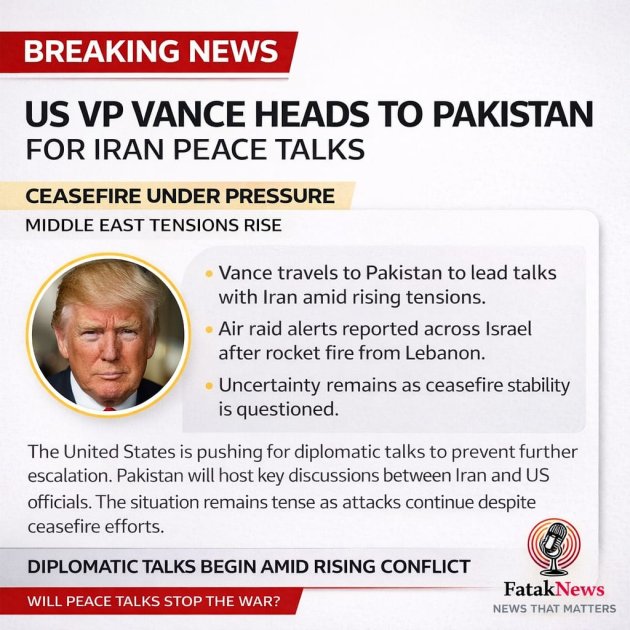
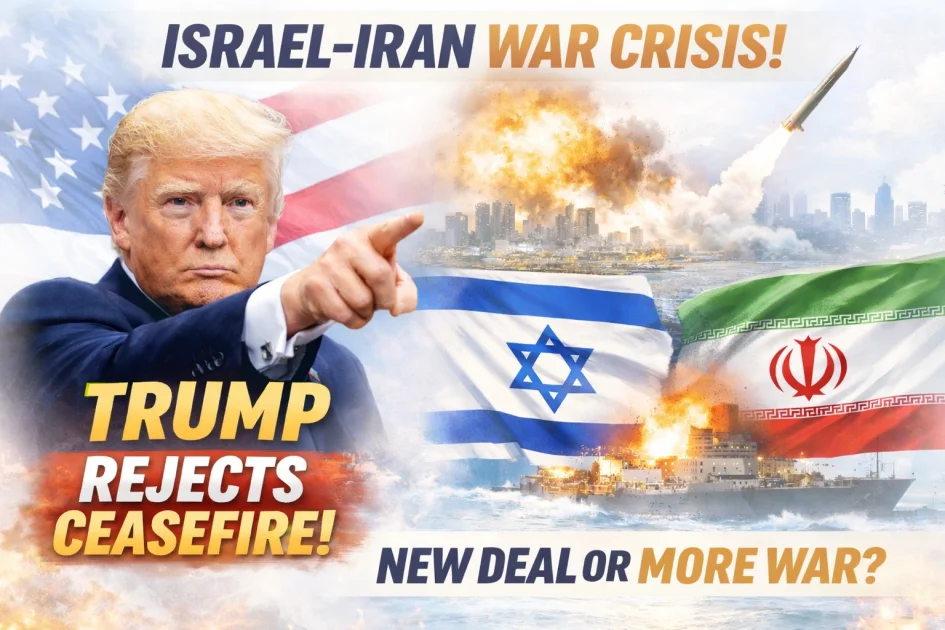
The ongoing Iran–Israel conflict has entered a critical phase as the United States steps up diplomatic efforts to prevent further escalation. US Vice President J.D. Vance has departed for Pakistan to lead crucial peace talks with Iran amid rising tensions across the Middle East.
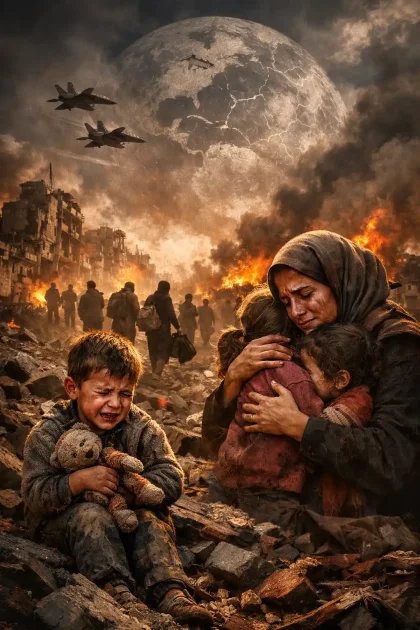
Despite a recently announced two-week ceasefire, the situation on the ground remains unstable. Air raid alerts have been reported across Israel, including major cities like Tel Aviv and Ashdod, following fresh rocket fire from Lebanon. These developments have raised serious concerns about the durability of the ceasefire agreement.
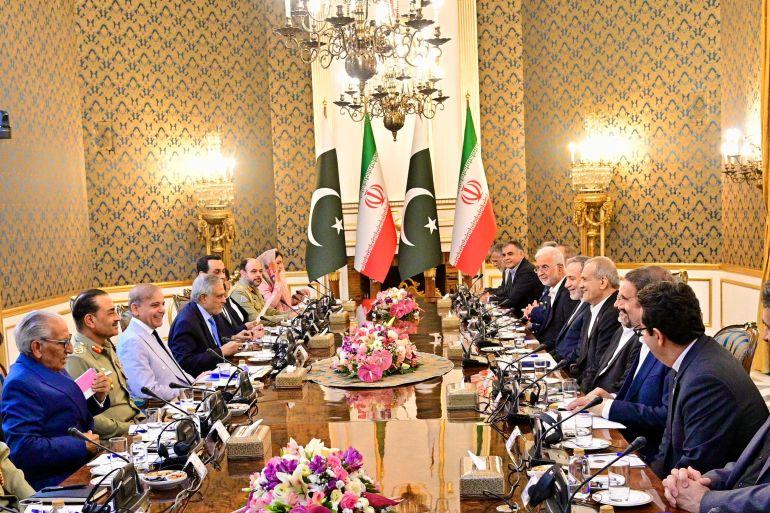
The United States is now actively pushing for dialogue to bring the conflict under control. Pakistan has emerged as a key mediator in this situation, hosting high-level discussions between US and Iranian officials in Islamabad. The move signals a renewed diplomatic push to stabilize the region.
However, uncertainty continues to surround the outcome of these talks. There has been no official confirmation regarding the arrival of all delegates, and tensions remain high as attacks continue despite ongoing ceasefire efforts.
Earlier, Pakistan’s Prime Minister Shehbaz Sharif had announced that the two countries would engage in talks in Islamabad as part of efforts to maintain the ceasefire. The international community is now closely watching whether these diplomatic initiatives can prevent a larger conflict.
As the Middle East remains on edge, the success or failure of these peace talks could play a decisive role in shaping the future of the region.




Comments
No comments yet
Be the first to start the discussion.