 Fatak
Fatak
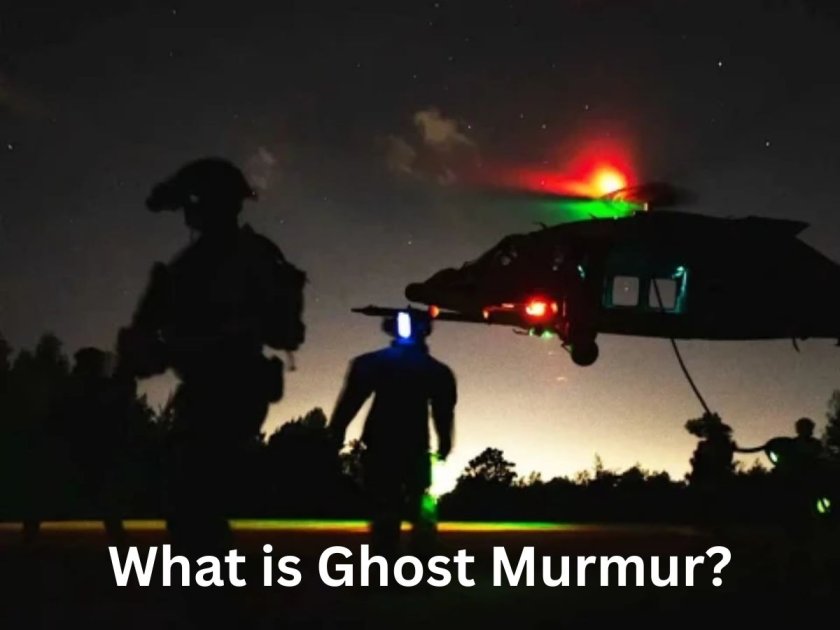
A US fighter jet crashed in the rugged terrain of Iran’s Alborz mountain range early last week. While the initial reports focused on the loss of the aircraft, a breakthrough came when advanced AI algorithms, quantum sensor data, and a software called Ghost Murmur converged to locate the missing officer, who had been concealed in a remote valley for weeks.
What Happened
On 12 March, a US F‑35 fighter jet was reported to have gone down near the border region of Iran and the United Arab Emirates. The pilot, a 32‑year‑old officer, was presumed missing after the aircraft failed to return to base. Local Iranian authorities initially reported a crash site but did not disclose the presence of any personnel.
In the days that followed, the US military deployed a multi‑disciplinary search team. The team integrated satellite imagery, ground‑penetrating radar, and quantum‑enhanced sensors that can detect subtle thermal signatures even in dense foliage. These sensors were fed into an AI platform that cross‑referenced the data with known flight paths and environmental variables.
Enter Ghost Murmur – a proprietary AI tool developed by a consortium of defense contractors. Designed to sift through massive data streams and identify anomalies, Ghost Murmur flagged a faint heat signature in a secluded canyon. Field teams confirmed the presence of a human figure, and the officer was safely extracted.
Why It Matters
1. Technological Edge – The successful use of quantum sensors and AI demonstrates a new frontier in military search and rescue operations, especially in hostile or remote environments.
2. Geopolitical Signal – The incident underscores the heightened tensions between the US, Israel, and Iran. The recovery of the officer without escalation suggests a cautious approach by all parties.
3. Operational Lessons – The case highlights the importance of rapid data integration and real‑time decision making in crisis situations.
Key Takeaways
- AI and quantum sensors can locate hidden individuals in challenging terrains within hours.
- Ghost Murmur’s anomaly detection proved critical in identifying the officer’s location.
- The incident may influence future protocols for handling downed aircraft in contested regions.
- Both the US and Iran have expressed a desire to avoid further military escalation.
What Comes Next
The US military has issued a statement confirming the officer’s safe return and thanking the joint search team for their rapid response. Analysts predict that the incident will prompt a review of search‑and‑rescue protocols in the Middle East.
Iran’s defense ministry has called for a diplomatic dialogue to prevent similar incidents. Meanwhile, the US and Israel are expected to hold a joint briefing on the implications for regional security.
"The integration of AI and quantum technology has set a new standard for search operations in hostile environments," a senior US defense official said in a brief statement.
As the region watches closely, the successful recovery serves as a reminder of the power of technology to bridge gaps in conflict zones. The next steps will likely involve formalizing the use of such tools in international military cooperation agreements.







Comments
No comments yet
Be the first to start the discussion.