 Fatak
Fatak

US and Iran Claim Victory After Two-Week Ceasefire Deal Reached
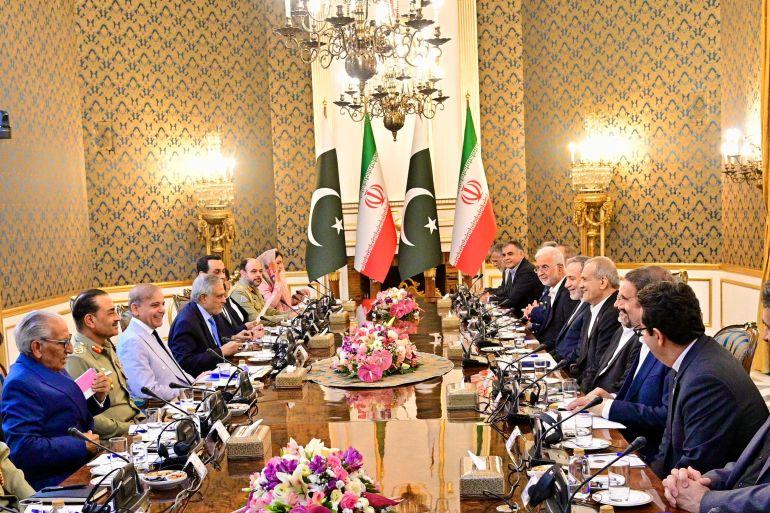
The United States and Iran have both declared a win following the signing of a two‑week ceasefire agreement that was brokered in the last week of March. The deal, which calls for a halt to hostilities in the region, was announced by officials from both sides in a joint statement that emphasized the importance of de‑escalation.
What Happened?
Negotiations began after a series of diplomatic meetings in Geneva and Washington, where representatives from the U.S. State Department and the Iranian Foreign Ministry worked with intermediaries from the United Nations. The agreement stipulates a complete pause in military operations, the release of a limited number of detainees, and a framework for future talks on nuclear and security issues.
Why It Matters
For the U.S., the ceasefire is a strategic win that could reduce the risk of accidental clashes with Iranian forces in the Persian Gulf. For Iran, it offers a chance to showcase its willingness to engage in dialogue, potentially improving its standing with Western governments. The deal also signals to regional allies that the U.S. remains committed to maintaining stability in a volatile area.
Key Takeaways
- Both sides have publicly framed the agreement as a victory, underscoring the political value of the ceasefire.
- The deal includes a verification mechanism that will be monitored by international observers.
- It sets a precedent for future negotiations on broader security and nuclear issues.
- The agreement is limited to a two‑week period, with a review scheduled for the end of the term.
What Comes Next?
In the coming days, the U.S. and Iran will begin implementing the ceasefire provisions, with joint teams expected to conduct on‑site inspections. The United Nations Security Council is slated to hold a meeting next week to discuss the agreement’s implications for regional security. Analysts predict that the ceasefire could pave the way for a more comprehensive settlement on nuclear safeguards.
Regional Reactions
Neighboring countries such as Saudi Arabia and Israel have welcomed the announcement, citing the potential for reduced cross‑border tensions. The European Union has called for continued diplomatic engagement and urged both parties to adhere strictly to the terms.
Potential Impact on Global Markets
Oil prices, which have fluctuated in response to Middle Eastern tensions, are expected to stabilize as the ceasefire reduces uncertainty. Investors are watching closely to see whether the agreement will lead to a broader easing of sanctions on Iran, which could have ripple effects across global trade.
Conclusion
While the ceasefire is a short‑term measure, it represents a meaningful step toward reducing hostilities between the United States and Iran. The success of this agreement will depend on both sides’ commitment to the outlined terms and the willingness of international partners to support a lasting peace process.






Comments
No comments yet
Be the first to start the discussion.