 Fatak
Fatak
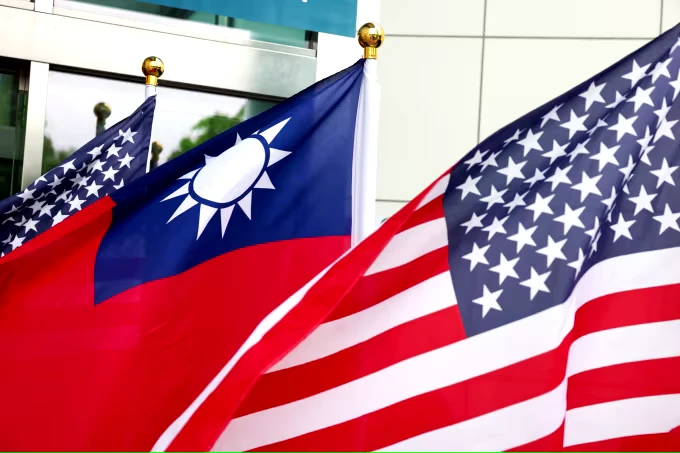
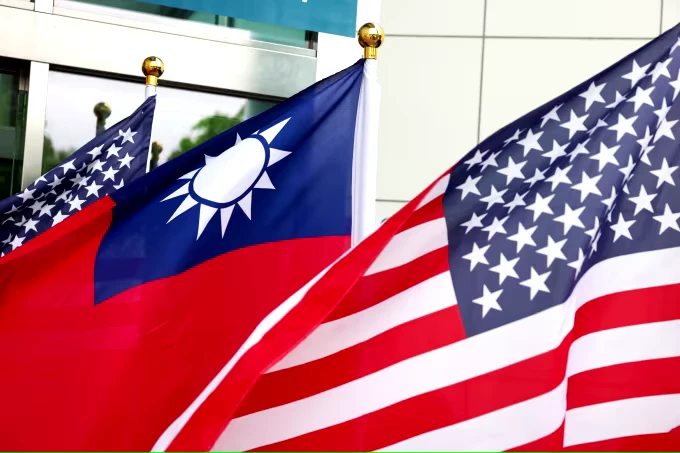
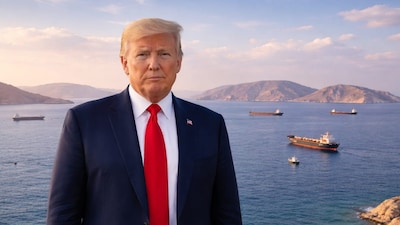
US weapons or China’s friendship? Trump’s Iran war volatility reignites debate for Taiwan. The recent announcement by the United States to expand its arms sales to Taipei has sparked fresh discussions about the island’s strategic future and its relationship with both Washington and Beijing.
US weapons or China’s friendship? Trump’s Iran war volatility reignites debate for Taiwan
The decision follows a series of high‑profile meetings between US defense officials and Taiwanese leaders, culminating in a memorandum of understanding that will allow the sale of advanced missile systems and cyber‑defense equipment. The move comes at a time when the Trump administration’s approach to Iran has intensified regional tensions, prompting Taiwan to reassess its security posture.
What Happened?
On Monday, the US State Department announced a $1.2 billion package that includes Patriot missile batteries, radar upgrades, and electronic warfare suites. The package is part of a broader strategy to counterbalance China’s growing military capabilities in the Western Pacific. Meanwhile, China has warned that any US arms sale to Taiwan would be viewed as a direct challenge to its sovereignty claims.
Why It Matters
1. Strategic Significance: Taiwan’s defense capabilities are a linchpin in the balance of power in the Indo‑Pacific. Enhanced US weaponry could deter Chinese aggression but also risk escalating tensions.
2. Diplomatic Fallout: Beijing’s response could include economic sanctions or increased military drills around the Taiwan Strait, affecting regional stability.
3. Domestic Politics: In the US, the arms sale fuels debate over the Trump administration’s foreign policy priorities, especially in light of its confrontational stance on Iran.
Key Takeaways
- US arms sales to Taiwan are a clear signal of Washington’s commitment to the island’s defense.
- China’s reaction is likely to be swift, potentially leading to a new arms race in the region.
- The move underscores the interconnectedness of US policy toward Iran and its broader security strategy in Asia.
What Comes Next?
In the coming weeks, Taiwan will begin the integration of the new systems, while the US will likely increase diplomatic engagement with allies in the region. China may respond with a combination of diplomatic protests and military exercises. Analysts predict that the situation will remain fluid, with both sides testing the limits of their respective deterrence postures.
For Indian readers, the developments highlight the importance of understanding how global power dynamics influence regional security. As the world watches, the balance between US weapons and China’s friendship will continue to shape the future of Taiwan and the broader Indo‑Pacific region.
Comments
No comments yet
Be the first to start the discussion.