 Fatak
Fatak
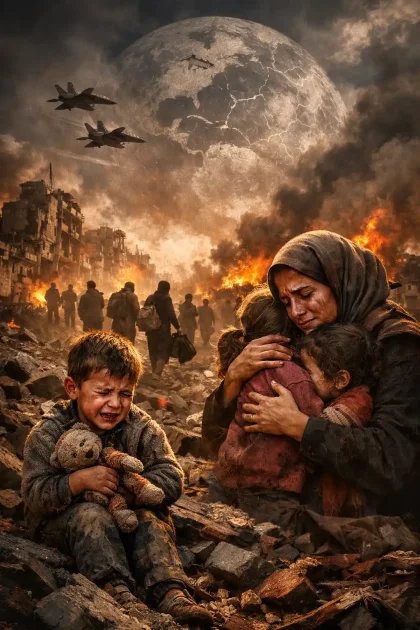
The ongoing conflict involving the United States, Israel, and Iran is no longer just a geopolitical battle—it has transformed into a global public crisis affecting millions of ordinary people far beyond the battlefield.
What began as targeted military strikes has now disrupted daily life, economic stability, and basic security across multiple countries.
⚠️ 1. Fuel Prices Rising – Burden on Common People
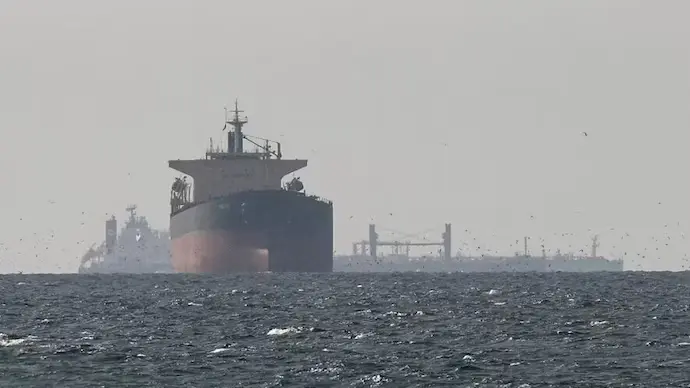
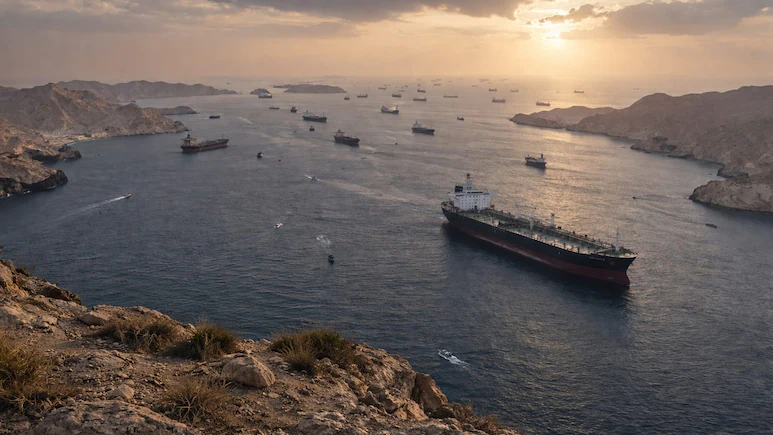
One of the biggest impacts is on global oil supply. The tension around the Strait of Hormuz—a key oil route—has triggered sharp increases in fuel prices.
Affected Regions:
- India – Petrol and diesel prices rising, increasing daily commute costs
- Pakistan & Bangladesh – Inflation pressure on transport and goods
- Germany & France – Energy costs impacting households
👉 Public Impact: Higher transport fares, expensive food, and increased cost of living.
🍞 2. Food Crisis and Inflation
With shipping routes affected and fuel costs rising, global food supply chains are under pressure.
Countries Facing Impact:
- Egypt – Rising bread prices
- Lebanon – Existing economic crisis worsening
- Yemen – Severe food shortages
👉 Public Impact: Daily essentials becoming unaffordable for lower-income families.
✈️ 3. Travel Disruptions & Fear
Airspace tensions in the Middle East have forced airlines to reroute or cancel flights.
Major Hubs Affected:
- Dubai
- Doha
👉 Public Impact:
- Expensive tickets
- Flight delays and cancellations
- Fear among travelers
💻 4. Cyber Attacks & Digital Disruptions
The war has extended into cyberspace, with attacks targeting infrastructure and media.
Impact Areas:
- Banking systems
- Government websites
- Communication networks
👉 Public Impact:
- Payment failures
- Data risks
- Temporary internet disruptions
🏠 5. Fear, Migration & Uncertainty
People living in conflict-adjacent areas are facing constant fear and displacement.
Most Affected:
- Syria
- Iraq
👉 Public Impact:
- Families forced to relocate
- Loss of homes and jobs
- Psychological stress
📉 6. Economic Instability Worldwide
Stock markets and businesses are reacting sharply to uncertainty.
Global Effects:
- Falling investor confidence
- Rising gold prices
- Currency fluctuations
👉 Public Impact:
- Job insecurity
- Reduced business growth
- Financial instability
🚨 What Has Been Lost So Far?
- Human lives and civilian safety
- Economic stability across continents
- Trust in global peace systems
- Access to affordable essentials
This war is no longer confined to borders—it is being felt in fuel stations, grocery stores, airports, and homes worldwide.
🧾 Conclusion
The US–Israel–Iran conflict is proving that modern wars are not fought only with weapons—but with economics, energy, and everyday survival.
For millions of ordinary people, the biggest question is no longer who will win the war—but how long they can endure its consequences.
❓ FAQ
1. Why is this war affecting other countries?
Because global trade, oil supply, and financial systems are interconnected.
2. Why are fuel prices rising?
Due to threats around the Strait of Hormuz, a major oil transport route.
3. Which country is most affected economically?
Many countries are impacted, but developing nations are facing the hardest burden.
4. Is this leading to a global recession?
If the conflict continues, experts warn it could trigger economic slowdown globally.



Comments
No comments yet
Be the first to start the discussion.