 Fatak
Fatak
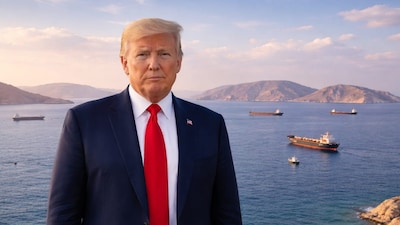
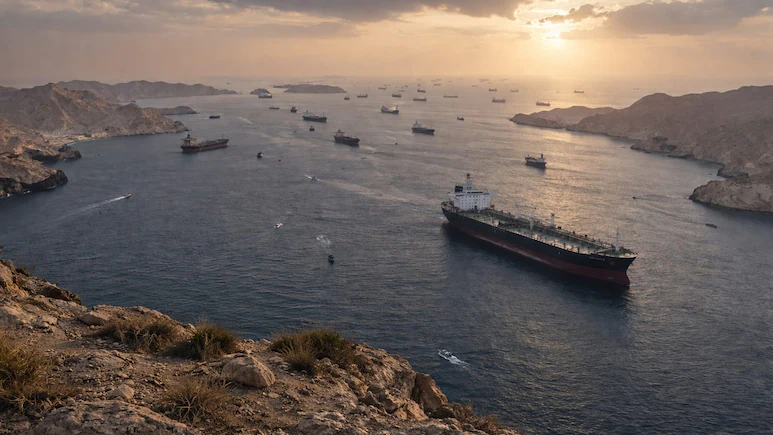
After Iran, Trump wants US to charge toll on ships for Hormuz passage. In a recent statement, the former president outlined a plan to impose a fee on commercial vessels that navigate the Strait of Hormuz, a narrow waterway that is a critical artery for global oil shipments.
What Trump’s Proposal Entails
Trump’s proposal would require shipping companies to pay a per‑tonne fee for vessels passing through the Hormuz Strait. The fee would be collected by the U.S. Maritime Administration and earmarked for maritime security and infrastructure upgrades. According to the former president, the measure aims to compensate for the strategic importance of the strait and to deter potential threats to navigation.
Why the Hormuz Strait Matters
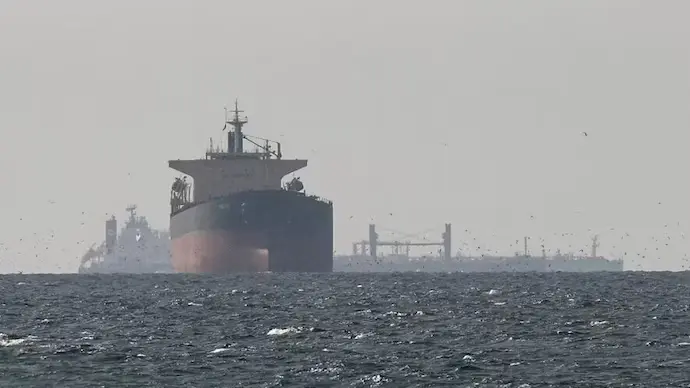
The Strait of Hormuz is one of the world’s busiest maritime chokepoints, with roughly 20% of global oil traffic passing through its waters. Any disruption—whether from geopolitical conflict, piracy, or natural events—can ripple through global markets. By instituting a toll, the United States seeks to reinforce its role in safeguarding this vital corridor.
Potential Economic Impact on Shipping
Shipping companies have expressed concerns that the toll could increase operational costs. A 1% rise in fuel and transit expenses could translate into higher freight rates for consumers worldwide. However, proponents argue that the fee would be offset by improved security measures and reduced risk of maritime incidents.
Geopolitical Repercussions
Iran has historically viewed any foreign control over the Hormuz Strait as a threat to its sovereignty. The proposed toll could intensify tensions between Tehran and Washington, potentially prompting retaliatory measures such as sanctions or increased naval patrols. International bodies like the International Maritime Organization (IMO) may also weigh in on the legality and fairness of such a fee.
What Comes Next?
Trump’s plan will need to pass through congressional committees before it can be enacted. The U.S. Senate Commerce Committee is slated to review the proposal next month. Meanwhile, global shipping associations are preparing statements and lobbying efforts to influence the outcome.
Key Takeaways for Stakeholders
- Shipping companies must prepare for potential cost increases.
- Oil traders may see short‑term price volatility.
- U.S. policymakers will need to balance security interests with international trade concerns.
- Iran’s response could shape future diplomatic negotiations.
Looking Ahead
If the toll is approved, the U.S. will likely establish a dedicated fund for maritime security in the Gulf region. The measure could also set a precedent for other strategic waterways, prompting a broader discussion on how nations can protect critical shipping lanes while maintaining fair trade practices.
“The Strait of Hormuz is a lifeline for global commerce, and protecting it is a national priority,” Trump said in a recent interview.

Comments
No comments yet
Be the first to start the discussion.