 Fatak
Fatak
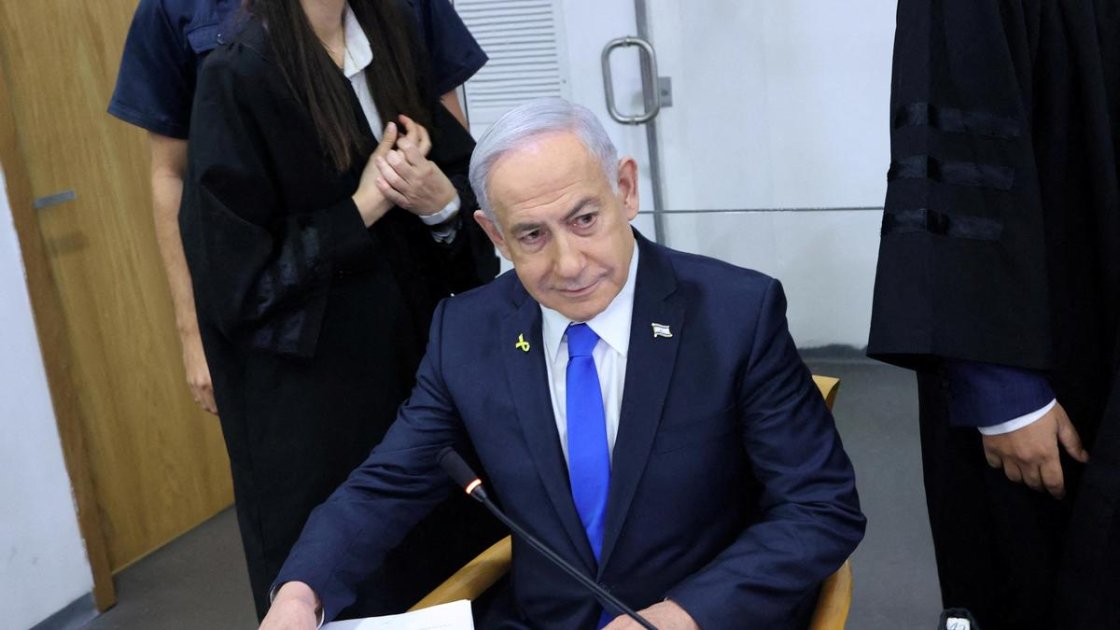
Prime Minister Benjamin Netanyahu announced today that Israel will support President Donald Trump’s proposed naval blockade of Iran. The statement was made during a brief press briefing as tensions between Israel and Iran continue to rise.
What Happened
In a statement released by the Israeli government, Netanyahu confirmed that Israel would align with the U.S. administration’s strategy to restrict Iranian maritime activity. The move is part of a broader effort to curb Iran’s nuclear and missile programs, which Israel views as a direct threat to its security.
Netanyahu’s announcement came after a series of escalating incidents, including increased Iranian drone activity near Israeli shipping lanes and heightened rhetoric from both sides. The Israeli government said it would coordinate with U.S. naval forces to enforce the blockade, should it be formally approved by Washington.
Why It Matters
The support for a naval blockade signals a significant shift in Israel’s foreign policy. Historically, Israel has maintained a cautious stance on U.S. military initiatives that could provoke Iran. By openly backing the blockade, Israel is sending a clear message that it is willing to take a more aggressive stance against Iran’s maritime operations.
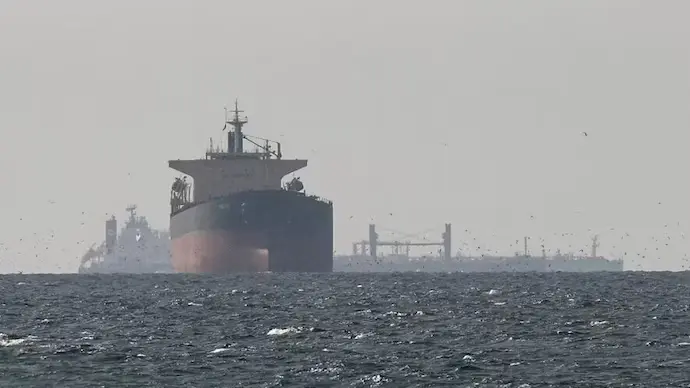
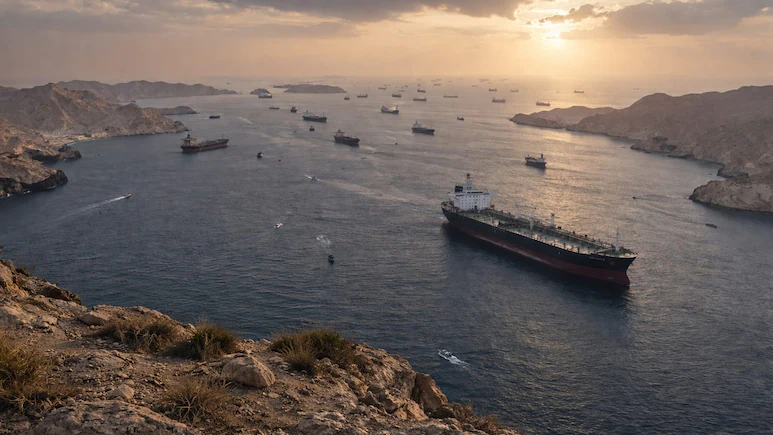
For the international community, the announcement raises concerns about the potential for a broader conflict. A naval blockade could disrupt shipping routes in the Persian Gulf, affecting global oil markets and international trade. It also risks escalating military confrontations between Israel and Iran, which could draw in other regional actors.
Key Takeaways
- Israel’s Alignment with U.S. Policy: The statement confirms Israel’s willingness to cooperate with U.S. naval forces in enforcing a blockade.
- Escalation of Regional Tensions: The move could heighten the risk of military engagement between Israel and Iran.
- Impact on Global Shipping: A blockade in the Persian Gulf could disrupt international trade routes and affect oil prices.
- Diplomatic Repercussions: The announcement may prompt diplomatic responses from other Middle Eastern countries and international bodies.
What Comes Next
In the coming days, the U.S. administration is expected to weigh the feasibility of a naval blockade and its legal implications under international law. Israel will likely engage in diplomatic discussions with Washington to clarify its role and responsibilities.
Meanwhile, Iran has not yet issued a formal response. Analysts predict that Tehran may increase its defensive posture, potentially deploying additional naval assets to deter any blockade enforcement.
For Indian readers, the developments underscore the interconnectedness of global security dynamics. Any escalation in the Middle East can have ripple effects on energy markets, trade routes, and geopolitical alliances that impact India’s strategic interests.
As the situation unfolds, FatakNews will continue to provide live updates and expert analysis on the evolving Israel‑Iran standoff and its implications for regional stability.


Comments
No comments yet
Be the first to start the discussion.