 Fatak
Fatak
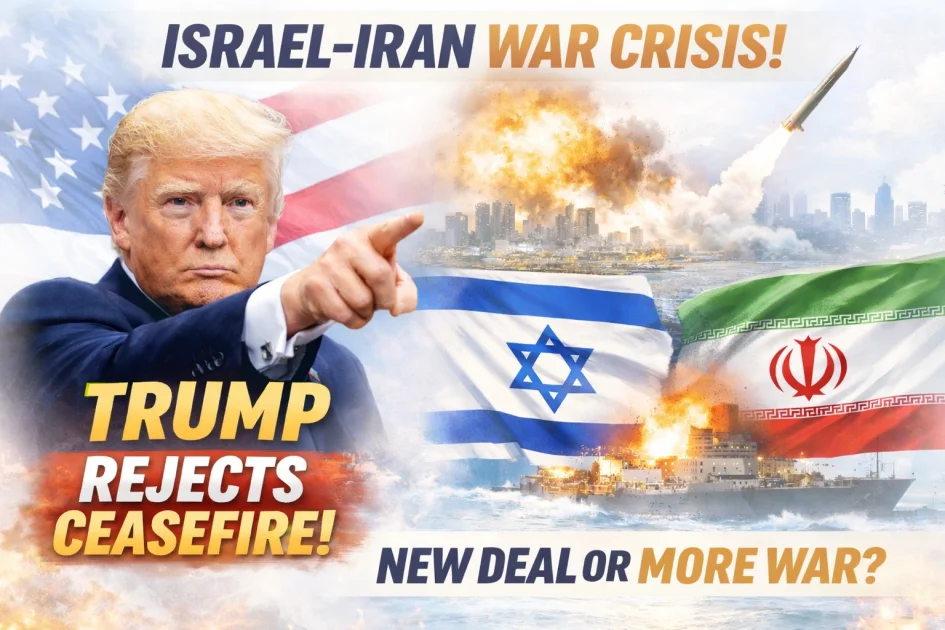
In a sharp statement that has reverberated across Israeli political circles, the leader of the country’s main opposition party has called a potential ceasefire with Iran a political disaster. The remark comes amid growing international pressure for a diplomatic pause in the escalating tensions between Israel and the Iranian regime.
Background: Rising Tensions in the Middle East
For years, Israel and Iran have been locked in a high‑stakes rivalry marked by proxy conflicts, missile tests, and cyber‑attacks. The latest flare‑up saw Iran launch a series of ballistic missiles that landed near Israeli territory, prompting a retaliatory strike by the Israeli Air Force. Analysts say that a ceasefire could provide a window for diplomatic engagement, but it also risks emboldening Iran’s hard‑liners.
Opposition Leader’s Warning
During a televised interview, the opposition leader emphasized that a ceasefire would be a “political disaster” for Israel. She argued that it would signal weakness to both domestic voters and regional adversaries, potentially altering the strategic calculus in the region. While she did not provide a detailed alternative strategy, her comments suggest a preference for continued military pressure.
Why This Matters for Israel and the Region
Israel’s political landscape is already fragmented, with the ruling coalition facing internal dissent over defense policy. A ceasefire could shift public opinion and embolden opposition parties that favor a more conciliatory approach. On the regional front, a pause in hostilities might allow Iran to regroup and strengthen its influence in Lebanon and Syria, raising concerns about the balance of power in the Levant.
Key Takeaways
- Israel’s opposition leader views a ceasefire with Iran as a strategic misstep that could weaken national security.
- The statement reflects broader domestic debates over how to handle the Iran threat.
- Regional actors, including the United States and Gulf allies, are monitoring the situation closely.
- Any diplomatic move will need to balance deterrence with the risk of appearing conciliatory.
What Comes Next?
The Israeli government is expected to convene an emergency cabinet meeting to assess the opposition’s concerns and weigh the options. Meanwhile, international diplomatic channels are reportedly exploring a limited ceasefire that would focus on de‑escalation rather than a full halt to hostilities. The opposition’s stance may influence the government’s decision, especially if public sentiment shifts toward a more hard‑line approach.
In the coming weeks, analysts will watch for any changes in the rhetoric of both Israeli leaders and Iranian officials. The outcome could set a precedent for how the region handles similar flashpoints in the future.
For now, the debate underscores the complex interplay between domestic politics and regional security, reminding policymakers that every decision carries far‑reaching consequences.

Comments
No comments yet
Be the first to start the discussion.