 Fatak
Fatak
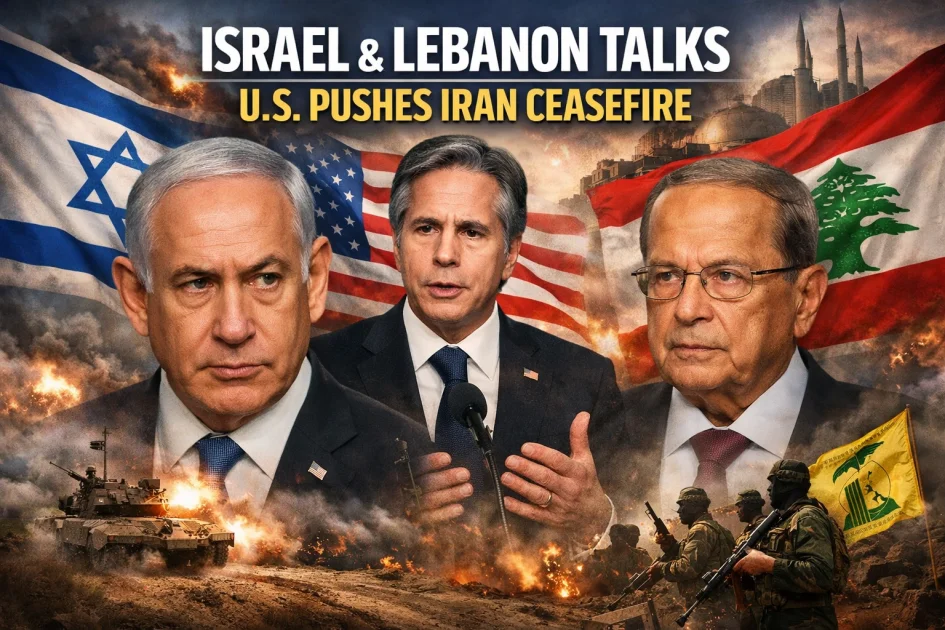
📌 Israel Signals Direct Talks with Lebanon
In a significant diplomatic shift, Israel has announced that it will begin direct negotiations with Lebanon, marking a rare step toward dialogue between the two long-time adversaries. Israeli Prime Minister Benjamin Netanyahu confirmed that discussions will focus on disarming Hezbollah and establishing peaceful relations.
The decision comes after weeks of escalating violence and repeated calls from Lebanese officials for dialogue. Reports suggest that negotiations could begin “as soon as possible,” reflecting growing international pressure to de-escalate tensions.
⚠️ Ongoing Conflict Threatens Peace Efforts
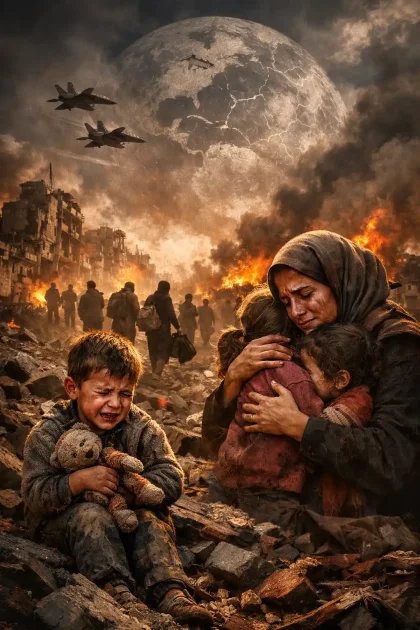
Despite the announcement, the situation on the ground remains tense. Israeli airstrikes in Lebanon have intensified in recent days, with hundreds reported killed in one of the deadliest escalations in the ongoing conflict.
Israel maintains that its military operations targeting Hezbollah are separate from broader ceasefire discussions, and officials have indicated that there will be no immediate ceasefire in Lebanon.
This has raised concerns among global leaders that continued violence could undermine diplomatic progress.
🌍 US Prepares Iran Ceasefire Talks
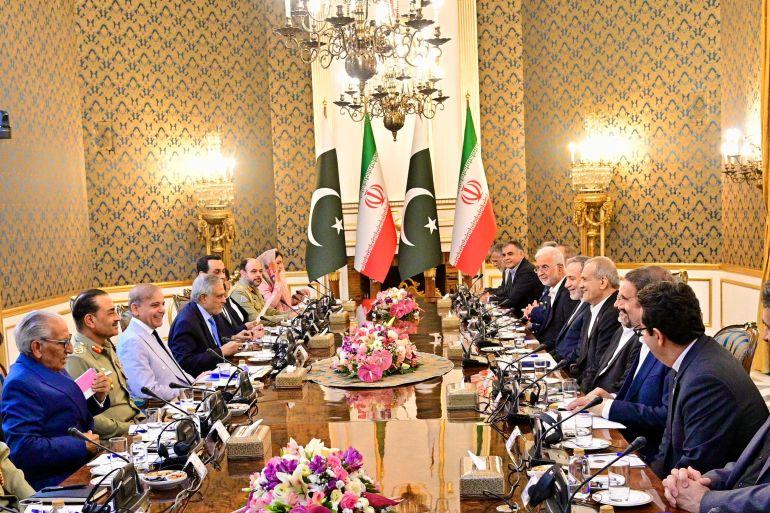
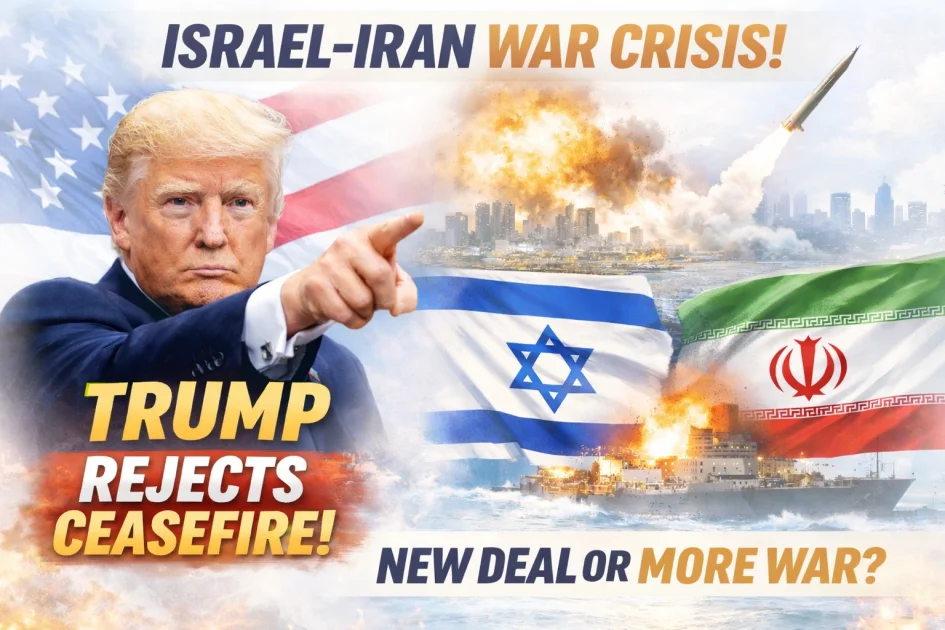
At the same time, the United States is preparing for critical ceasefire negotiations with Iran, following a temporary two-week truce brokered to reduce tensions in the region.
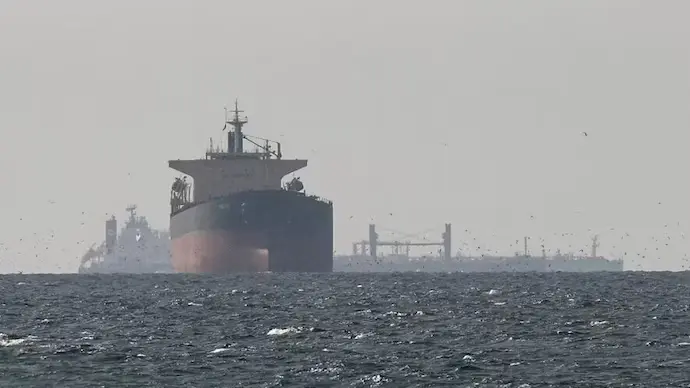
The ceasefire aims to halt hostilities in the wider conflict involving the US, Israel, and Iran, and to stabilize key global routes like the Strait of Hormuz. However, there is disagreement over whether Lebanon is included in the agreement.
While Iran and some mediators argue that Lebanon should be part of the ceasefire, both the US and Israel have clarified that the truce does not cover Israeli operations in Lebanon.
🔥 Regional Tensions Still High
The situation remains highly volatile. Hezbollah has resumed rocket attacks, and Israel continues its military campaign, signaling that a long-term resolution may still be far away.
Experts warn that while diplomatic talks are a positive step, ongoing military actions could derail peace efforts, potentially leading to a broader regional conflict.
📊 What This Means
- Israel is opening a diplomatic channel with Lebanon for the first time in years
- The US is pushing for a broader ceasefire with Iran
- Disagreements over Lebanon’s inclusion could complicate peace efforts
- Military actions continue, keeping the region on edge
❓ FAQ Section
1. Why is Israel starting talks with Lebanon?
Israel aims to reduce tensions and address security concerns, especially regarding Hezbollah’s presence near its borders.
2. Is there a ceasefire between Israel and Lebanon?
No, currently there is no formal ceasefire in Lebanon, despite ongoing discussions.
3. What is the US-Iran ceasefire about?
The US and Iran have agreed to a temporary two-week ceasefire to reduce hostilities and open diplomatic negotiations.
4. Does the ceasefire include Lebanon?
There is confusion—Iran says yes, but Israel and the US say Lebanon is not included.
5. Will the talks lead to peace?
It is uncertain. While talks are a positive step, ongoing violence could impact their success.




Comments
No comments yet
Be the first to start the discussion.