 Fatak
Fatak
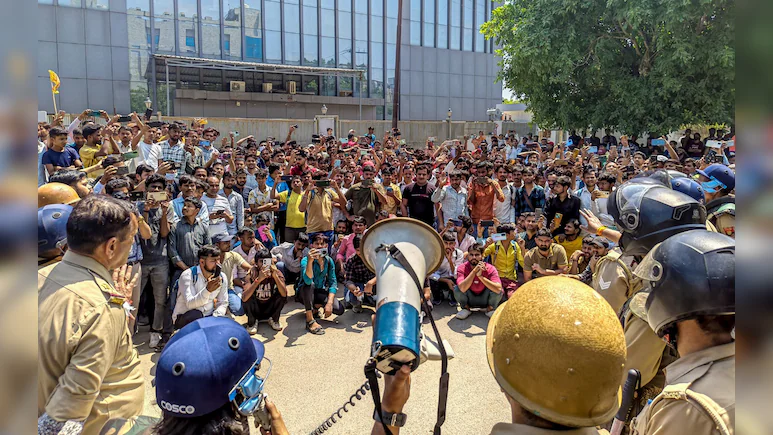
In the industrial hub of Noida, a group of factory workers has taken to the streets to demand a change in their working conditions. The protest, which began early this morning, centers on two key demands: a shift length of eight hours and a monthly wage of Rs 20,000. The workers argue that the current schedule, which often extends beyond the legal limit, coupled with wages that fall below the minimum wage threshold, has left them exhausted and underpaid.
What Happened?
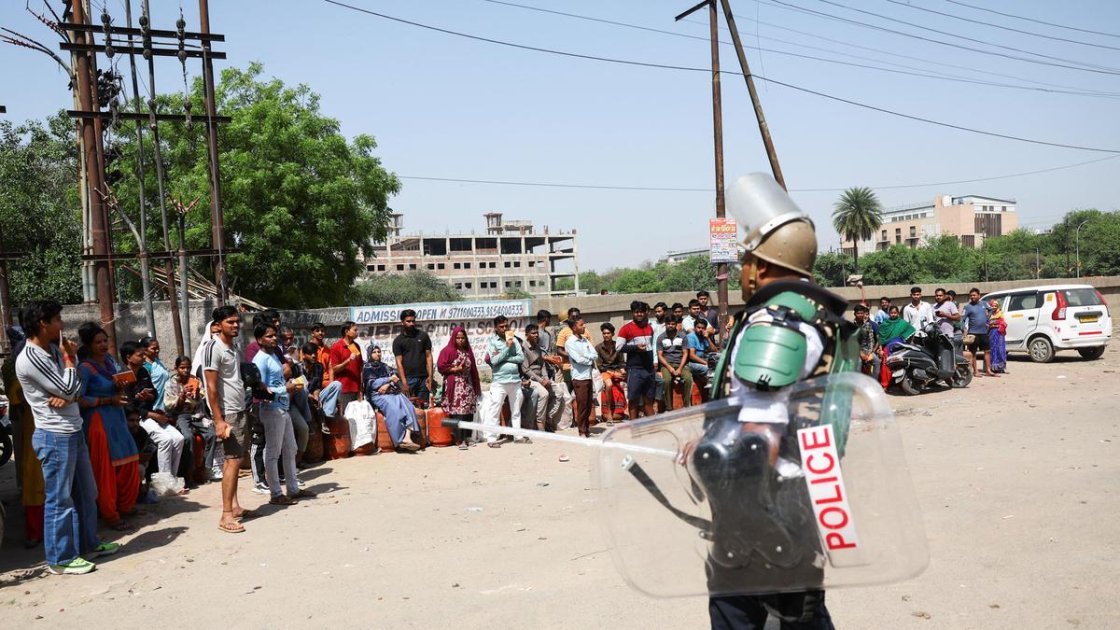
At approximately 7:30 a.m., a crowd of about 150 workers gathered outside the premises of a textile manufacturing unit on Sector‑62. The group, organized by a local labor union, held placards that read “8‑Hour Shifts, Rs 20,000 a Month” and “Fair Work, Fair Pay.” The protest was peaceful, with workers chanting slogans and holding up signs that highlighted their grievances. Police officers were present to maintain order, but no arrests were made.
Why It Matters
India’s labor laws stipulate that a standard workday should not exceed eight hours, and any overtime must be compensated at a higher rate. However, many factories in the National Capital Region have been accused of violating these provisions. The Noida protest brings attention to a broader issue: the gap between legal standards and on‑the‑ground realities for workers in the manufacturing sector. By demanding a shift length that aligns with the law, the workers are not only seeking better health and safety outcomes but also a more predictable work schedule.
Key Takeaways
- Shift Length: Workers seek a reduction from the current 10‑hour shifts to the legally mandated 8 hours.
- Wage Increase: The demand for Rs 20,000 a month is aimed at meeting the minimum wage for a full‑time worker in the region.
- Legal Context: The protest underscores potential violations of the Factories Act, 1948 and the Minimum Wages Act.
- Union Role: Local labor representatives are coordinating the strike and negotiating with management.
What Comes Next?
Management has issued a statement acknowledging the workers’ concerns and has promised to review the wage structure. A meeting is scheduled for tomorrow between union leaders and factory officials to discuss possible adjustments. Meanwhile, the local government has pledged to monitor the situation and ensure compliance with labor regulations. If an agreement cannot be reached, the workers plan to extend the strike until their demands are met.
Impact on the Community
The protest has already drawn attention from neighboring factories, with several workers expressing solidarity. Local businesses have reported a slight slowdown in production, but the overall economic impact is expected to be minimal. The incident is likely to spark a broader conversation about worker rights in Noida’s rapidly growing industrial landscape.
How to Stay Informed
Readers can follow updates on the protest through local news outlets and the union’s official social media channels. The union has also set up a hotline for workers to report any violations or seek assistance.
As the situation unfolds, the Noida protest serves as a reminder that fair labor practices are essential for sustainable growth. The workers’ call for 8‑hour shifts and Rs 20,000 monthly pay reflects a broader push for dignity and respect in the workplace.




Comments
No comments yet
Be the first to start the discussion.