 Mr_Rajkamal
 Trump Seeks Global Naval Coalition to Secure Strait of Hormuz Amid US–Iran War
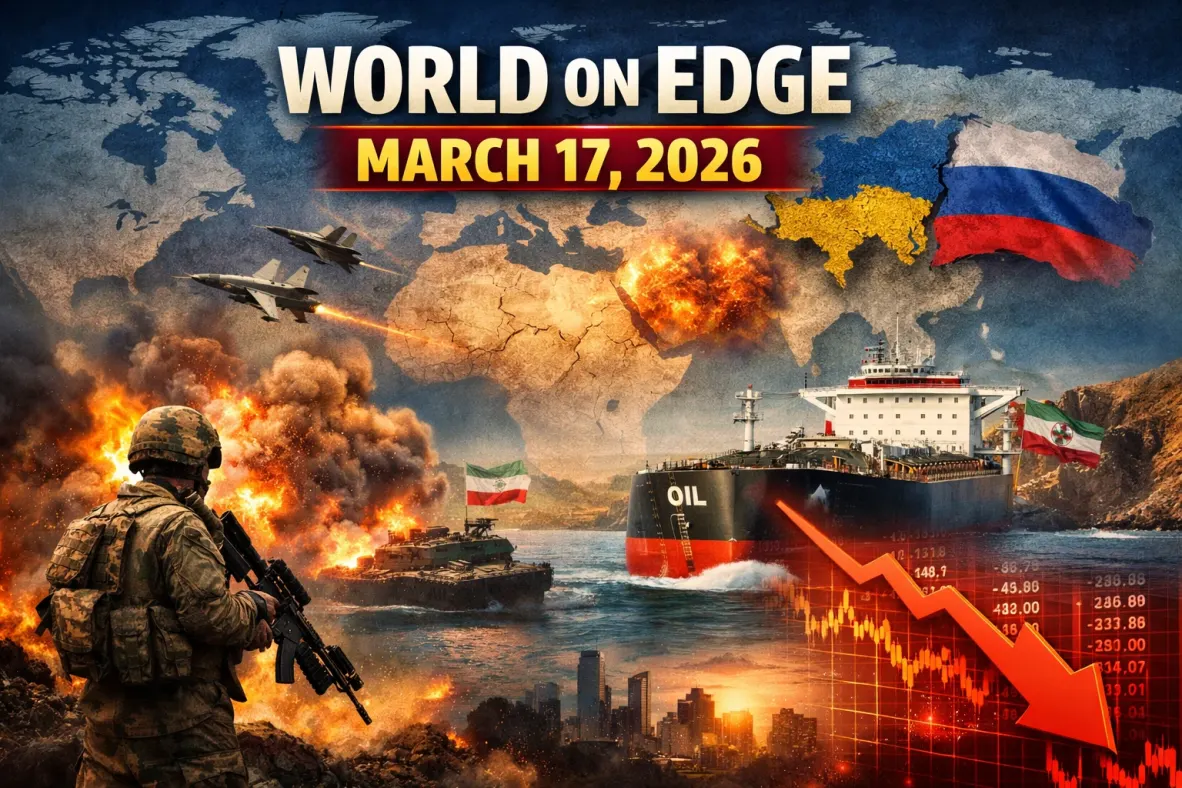
Washington, DC: United States President Donald Trump has said that “numerous countries” are preparing to join an international naval coalition aimed at securing the strategic Strait of Hormuz as tensions escalate during the ongoing US-Israel conflict with Iran.
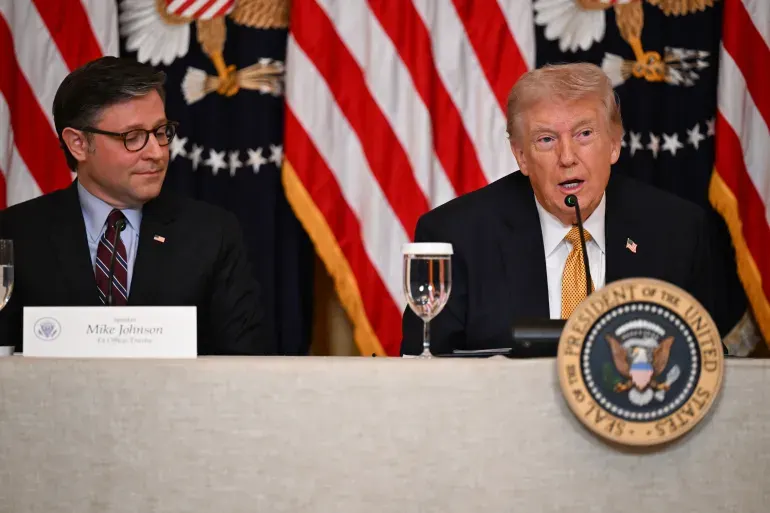
Trump made the remarks during a meeting with board members of the Kennedy Center at the White House. The announcement comes after he called over the weekend for multiple countries to participate in a naval mission to protect global oil shipping routes passing through the Gulf.
Trump Says Several Countries Are “On the Way”
Speaking to reporters on Monday, Trump said that several nations have already responded to his request.
“Numerous countries have told me they’re on the way. Some are very enthusiastic about it, and some aren’t,” Trump said.
However, the US President declined to reveal which nations had officially agreed to participate. He added that US Secretary of State Marco Rubio would make an official announcement once the coalition structure becomes clearer.
Trump explained that military deployments take time because naval forces must travel long distances across oceans.
“In some cases you have to travel an ocean. So it doesn’t go that fast, but it will go fast,” he said.
Countries Trump Wants in the Coalition
In his earlier appeal, Trump specifically called on several major powers to join the mission.
- China
- France
- Japan
- South Korea
- United Kingdom
He also urged NATO member states and other countries that rely heavily on oil shipments through the Strait of Hormuz to participate in protecting the critical maritime route.
Many Countries Reluctant to Join Military Mission
Despite Trump’s appeal, several countries have already expressed hesitation or outright rejection of the proposal.
France, Australia and Japan have stated that they have no plans to send military ships to join the coalition.
Germany’s Defence Minister Boris Pistorius also clarified that Berlin would not participate militarily.
“There will be no military participation,” Pistorius said, adding that Germany would instead support diplomatic solutions to reduce tensions.
UK and South Korea Reviewing the Situation
Some countries have not ruled out involvement but remain cautious about being drawn into a broader conflict.
The United Kingdom and South Korea said they are currently reviewing the situation.
UK Prime Minister Keir Starmer said Britain could consider deploying mine-hunting drones in the region but stressed that London does not want to be pulled into a larger Middle East war.
Strategic Importance of the Strait of Hormuz
The Strait of Hormuz is one of the most important oil transit routes in the world. Nearly 20% of global oil supply passes through this narrow waterway connecting the Persian Gulf to international markets.
Any disruption in the strait could cause a major spike in global oil prices and trigger economic instability worldwide.
Trump Criticises Allies for Hesitation
Trump also criticised countries that were reluctant to support the proposed coalition despite benefiting from US military protection in the past.
“Some are countries that we’ve helped for many, many years. We’ve protected them from horrible outside sources, and they weren’t that enthusiastic,” Trump said.
The situation remains highly fluid as diplomatic discussions continue and global leaders weigh the risks of deeper military involvement in the growing Middle East conflict.
FAQs
Why does the US want a naval coalition in the Strait of Hormuz?
The United States wants to secure global oil shipping routes and prevent attacks on tankers amid escalating tensions with Iran.
Why is the Strait of Hormuz important?
The strait is a critical maritime route where nearly 20% of the world's oil supply passes every day.
Which countries may join the naval coalition?
Trump suggested China, France, Japan, South Korea, the United Kingdom and NATO members should join the coalition, but no country has officially confirmed participation yet.
Which countries have rejected the plan?
France, Australia and Japan have said they do not plan to send military ships, while Germany has ruled out military involvement.