
 Mr_Rajkamal
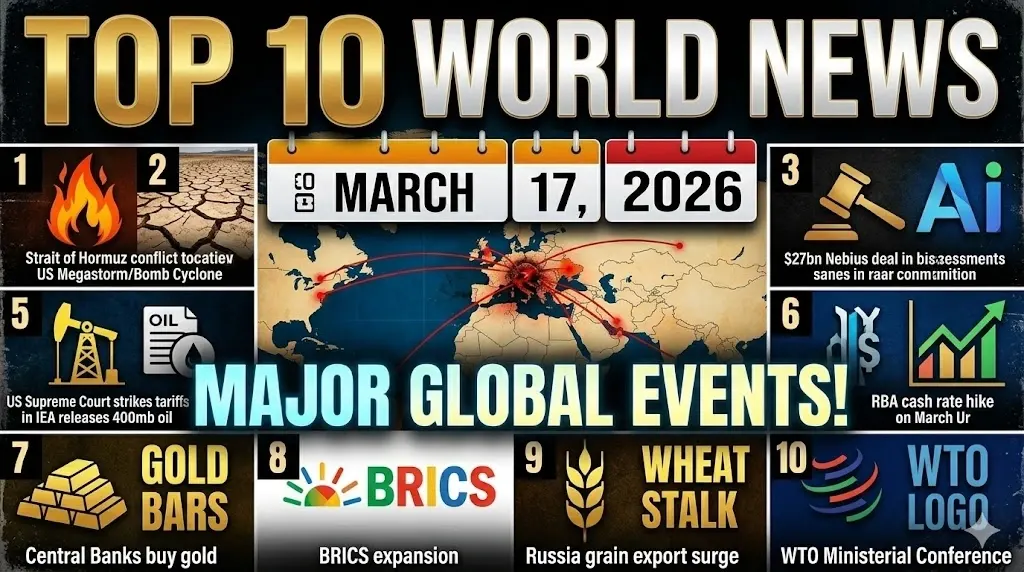
 Top 10 Geopolitical Events Shaping the World – March 17, 2026
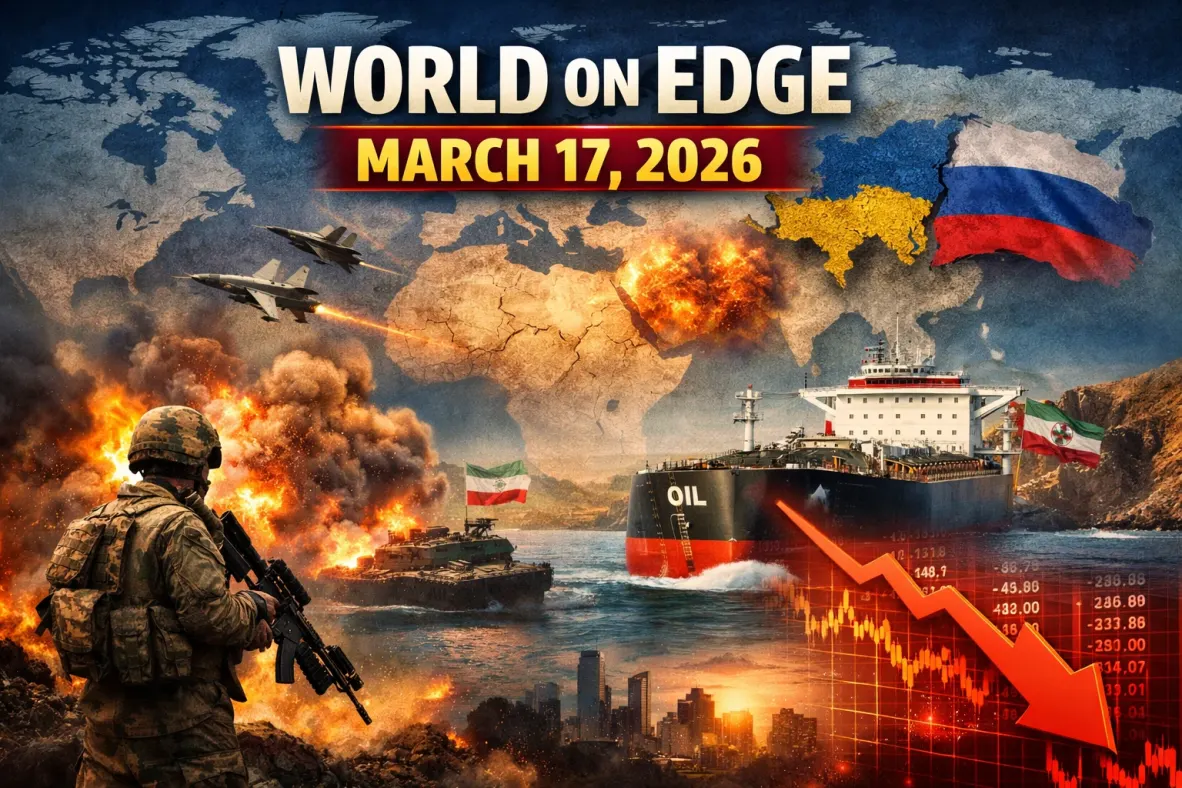
Global Update: The world is witnessing major geopolitical tensions in 2026 as conflicts, economic disruptions and diplomatic disputes reshape international relations. From the escalating US-Iran conflict to the ongoing Russia-Ukraine war, global stability and the economy are facing serious challenges.
Here are the top 10 geopolitical events on March 17, 2026 that are influencing global politics, energy markets and international security.
1. US-Iran Conflict and Strait of Hormuz Tensions
The confrontation between the United States and Iran has intensified, raising fears of a wider Middle East conflict. The Strait of Hormuz, a vital oil shipping route carrying nearly 20% of global oil supply, remains at the center of tensions.
2. Rising Global Oil Prices
Energy markets are reacting sharply to geopolitical instability in the Gulf region. Oil prices have surged due to fears of supply disruptions and attacks on energy infrastructure.
3. Russia-Ukraine War Continues
The Russia-Ukraine war remains one of the most important geopolitical conflicts affecting global security. Military operations and international sanctions continue to reshape global alliances.
4. NATO Divisions Over Military Strategy
Western alliances are facing internal disagreements about military involvement in ongoing conflicts, particularly regarding the Iran crisis and global security strategy.
5. China’s Growing Global Influence
China continues expanding its political and economic influence through strategic investments, trade partnerships and military modernisation.
6. Global Supply Chain Instability
Ongoing conflicts and economic sanctions are affecting global trade routes and supply chains, causing disruptions in manufacturing and shipping industries.
7. Cyber Warfare and Global Security Threats
Cyber attacks and digital espionage are increasingly being used as geopolitical tools by nations seeking strategic advantages.
8. Rising Military Spending Worldwide
Many countries are significantly increasing defence budgets as geopolitical tensions rise across multiple regions.
9. Global Economic Uncertainty
Economic analysts warn that geopolitical conflicts could slow global economic growth, increase inflation and destabilise financial markets.
10. Diplomatic Efforts to Prevent Wider War
International organisations and global leaders are attempting to reduce tensions through diplomacy and negotiations, although progress remains uncertain.
Why These Events Matter
Geopolitical developments influence not only politics but also energy markets, global trade, financial stability and international security. Decisions taken by world leaders today may shape global relations for decades.
FAQs
What are the biggest geopolitical events in 2026?
The most significant events include the US-Iran conflict, the Russia-Ukraine war, rising oil prices and global economic uncertainty.
Why is the Strait of Hormuz important?
The Strait of Hormuz is a critical energy route through which about 20% of the world’s oil supply passes.
How do geopolitical events affect the global economy?
Conflicts can disrupt energy supply, trade routes and financial markets, leading to inflation and economic instability.
Could these tensions lead to a global crisis?
Experts warn that escalating conflicts could impact global security and economic stability if diplomatic solutions are not found.