 Mr_Rajkamal
 World News March 17, 2026: Major Geopolitical Events Shaking Global Economy
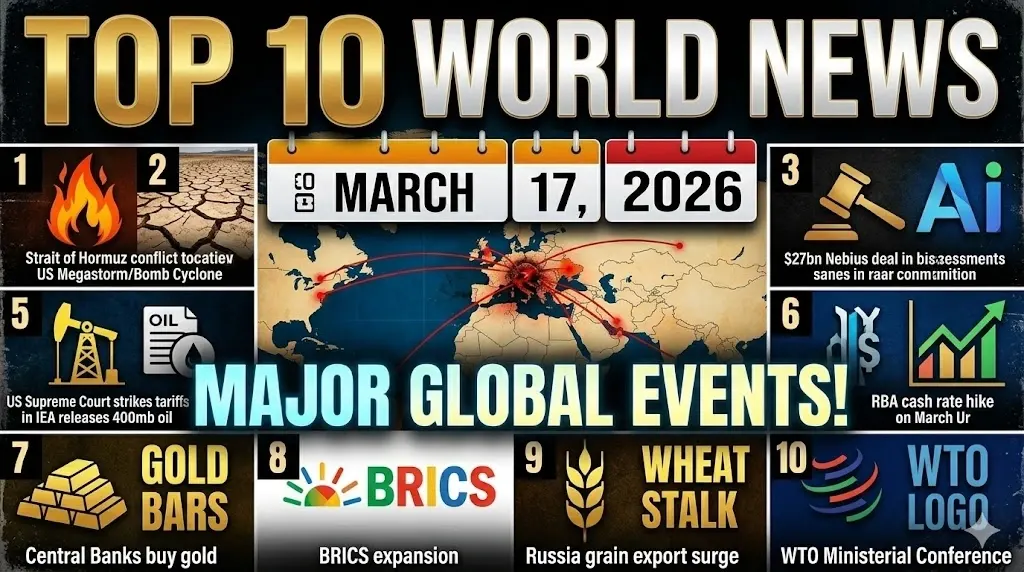
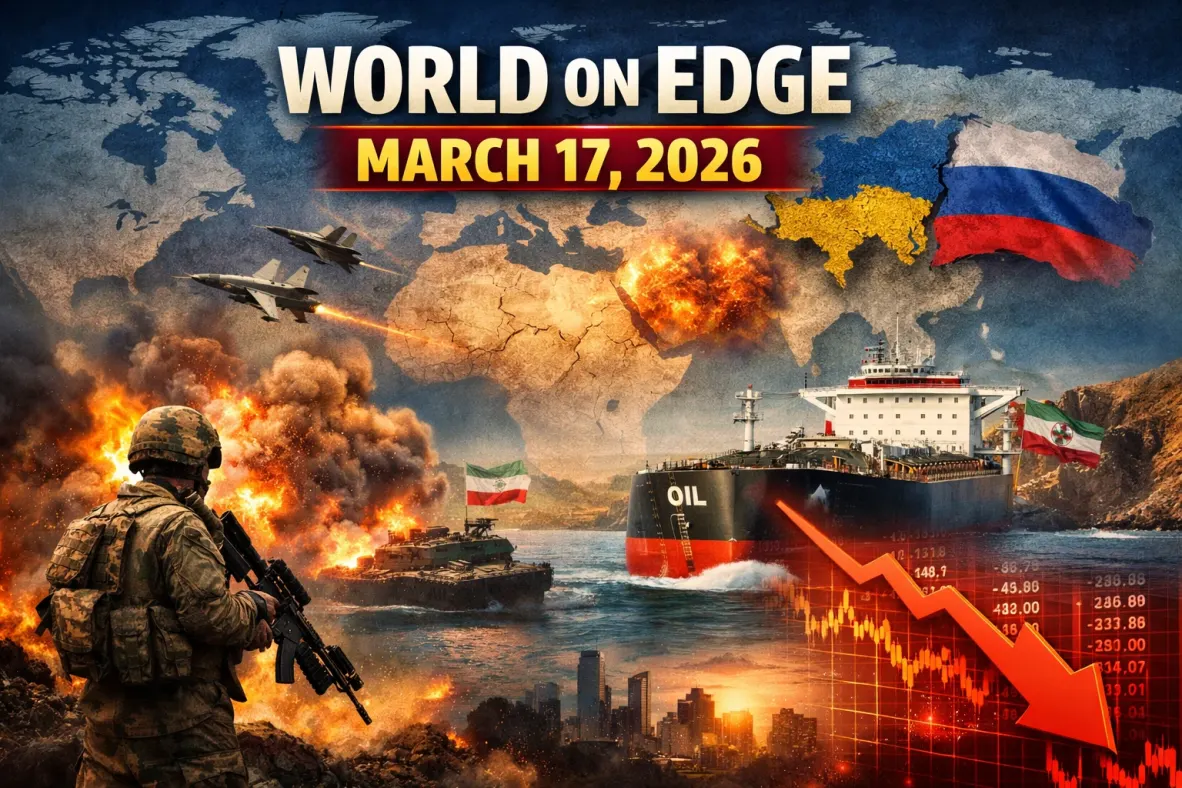
Global Update: The world is witnessing a surge in geopolitical tensions on March 17, 2026, as wars, energy disruptions and diplomatic conflicts begin reshaping the global economy. From the US-Iran war to the ongoing Russia-Ukraine conflict, global markets and governments are facing one of the most uncertain periods in recent years.
Experts warn that escalating military tensions and energy disruptions could affect global trade, oil prices and financial markets for months ahead.
US–Iran War and Strait of Hormuz Crisis
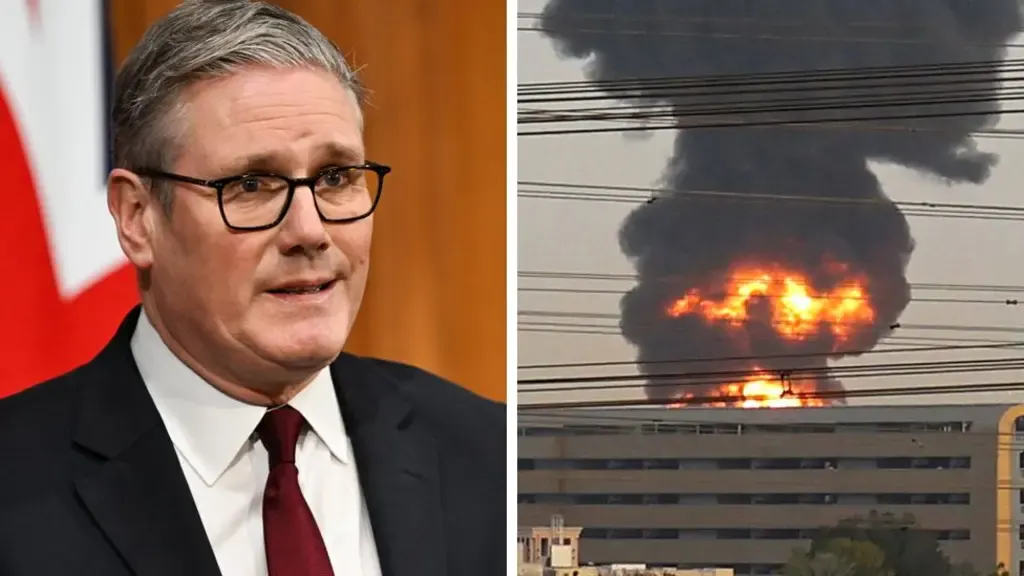
The most critical geopolitical development remains the US-Iran confrontation. Military strikes and retaliatory actions across the Middle East have intensified fears of a wider regional war.
The strategic Strait of Hormuz, through which nearly 20% of global oil supply normally passes, has been severely disrupted as tanker traffic dropped dramatically after attacks on merchant ships. :contentReference[oaicite:0]{index=0}
Energy analysts say the disruption represents the largest shock to global energy supply since the 1970s oil crisis, triggering fears of fuel shortages and rising inflation worldwide. :contentReference[oaicite:1]{index=1}
Oil Prices Surge as Energy Markets React
Global oil markets have reacted strongly to the Middle East conflict. Brent crude prices have climbed sharply as traders fear supply disruptions from the Gulf region.
Recent military strikes and threats to energy infrastructure pushed oil prices above $100 per barrel, with analysts warning that continued instability could lead to a global economic slowdown. :contentReference[oaicite:2]{index=2}
The rising oil prices are already affecting global stock markets and increasing transportation and fuel costs worldwide. :contentReference[oaicite:3]{index=3}
Russia–Ukraine War Continues to Shape Global Politics
The ongoing Russia-Ukraine war remains another major geopolitical factor influencing global politics and security. The conflict has already reshaped military alliances, defence spending and energy policies across Europe and beyond.
International observers say the war has intensified geopolitical competition between major powers and contributed to instability in global markets. :contentReference[oaicite:4]{index=4}
Global Economy Faces Rising Risks
Economists warn that geopolitical conflicts in 2026 are increasing risks to the global economy.
Key concerns include:
- Rising oil and energy prices
- Supply chain disruptions
- Inflation across major economies
- Stock market volatility
Energy market disruptions linked to the Iran conflict have already created economic uncertainty and increased inflation risks worldwide. :contentReference[oaicite:5]{index=5}
Why These Events Matter
Geopolitical crises can quickly spread beyond regional borders and affect the entire global system. Conflicts around energy supply routes, trade networks and military alliances often lead to economic shocks that impact everyday consumers.
Experts say the coming weeks could determine whether the world enters a deeper geopolitical crisis or moves toward diplomatic solutions.
FAQs
What are the major geopolitical events in March 2026?
The biggest global events include the US-Iran conflict, the Strait of Hormuz energy crisis and the continuing Russia-Ukraine war.
Why is the Strait of Hormuz important?
The Strait of Hormuz is one of the world’s most important oil shipping routes, carrying about 20% of global oil supply.
How do geopolitical conflicts affect the global economy?
Conflicts can disrupt energy supplies, increase inflation, raise fuel prices and create instability in financial markets.
Could oil prices rise further?
Yes. If tensions in the Middle East continue, analysts warn that oil prices may rise further and impact global economic growth.