 Mr_Rajkamal
 Iran-Israel War LIVE: Iran Denies U.S. Talks as Trump Signals ‘Regime Change’ Possibility
Updated: March 24, 2026 | 12:34 AM IST
The ongoing Iran-Israel war has taken a dramatic diplomatic turn as Iran’s Foreign Ministry denied holding any talks with the United States, even as U.S. President Donald Trump claimed that “very good” discussions had taken place.
The conflicting statements have created confusion globally, while markets reacted positively with falling oil prices and rising stocks amid hopes of de-escalation.
Iran Denies Negotiations with the United States
Iran’s Foreign Ministry spokesperson Esmaeil Baqaei stated that no direct negotiations have occurred with the United States in recent days.
However, he confirmed that Iran had received messages from “friendly countries” indicating that Washington is seeking talks aimed at ending the conflict.
- No direct talks held with the U.S.
- Messages received via third-party countries
- Iran yet to respond to negotiation requests
Trump Claims ‘Very Good’ Talks and Delays Strikes
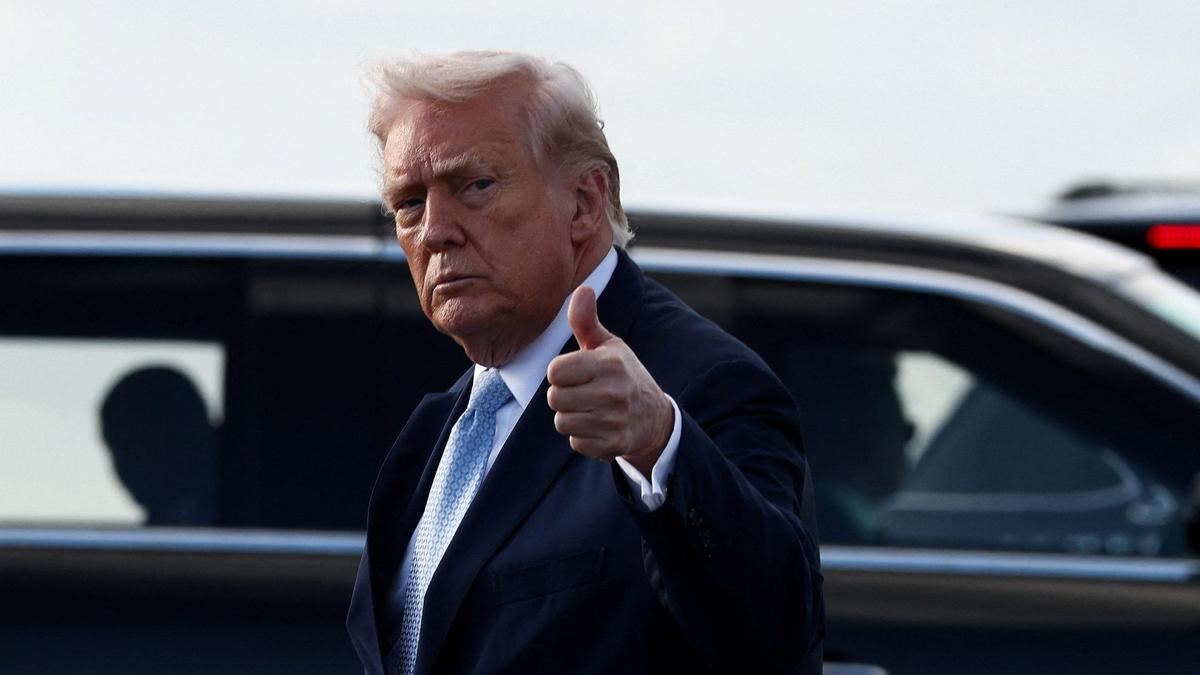
In contrast, U.S. President Donald Trump announced that discussions with Iranian officials had been “very good and productive.”
He also revealed that planned U.S. strikes on Iran’s power plants have been postponed for five days.
Trump said:
“We have had very good and constructive conversations regarding a complete resolution of hostilities. Based on this, I have instructed a temporary halt to military strikes.”
Rising Tensions Over Energy Infrastructure
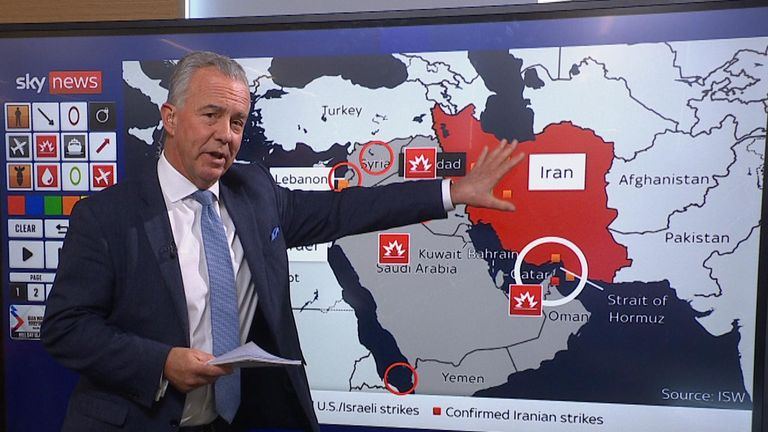
The conflict continues to threaten global energy security. Iran had earlier warned it could:
- Deploy naval mines in the Strait of Hormuz
- Target power plants across the Middle East
- Disrupt water and electricity infrastructure
Such actions could trigger a massive global energy crisis, given the strategic importance of the Strait of Hormuz.
Israel Continues Military Operations
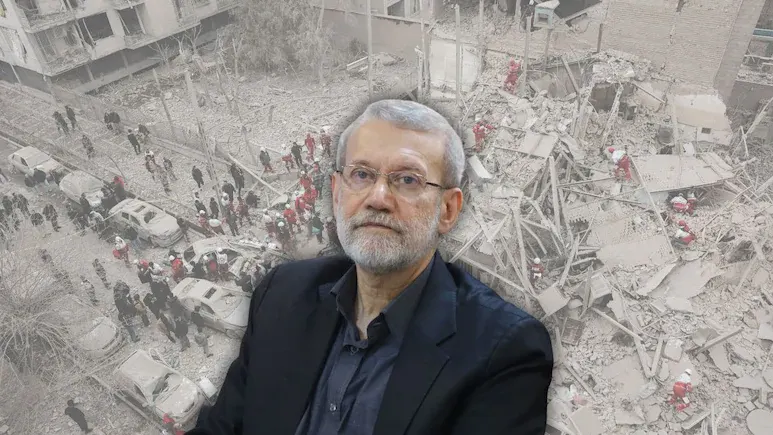
Israel has intensified its strikes inside Iran, targeting key military installations.
- Israeli forces struck a Revolutionary Guards site in Tehran
- Basij paramilitary command centers targeted
- Operations also ongoing in Lebanon
Prime Minister Benjamin Netanyahu said Israel will continue to protect its national interests regardless of diplomatic developments.
Missile Defense Failure Raises Concerns
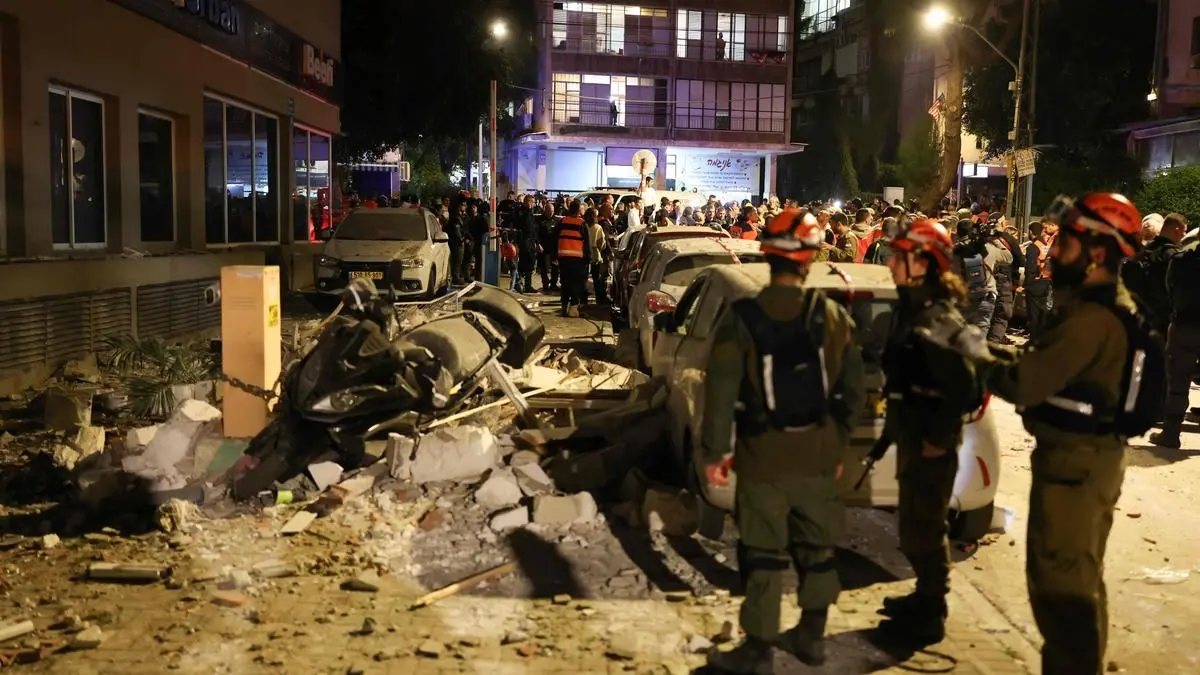
In a major setback, Israel confirmed that its David’s Sling defense system failed to intercept Iranian missiles.
The incident resulted in:
- Strikes on southern Israeli cities
- Dozens of injuries
- Damage to residential buildings
Global Reactions and Diplomatic Efforts
Several countries are now actively pushing for de-escalation:
- Pakistan is emerging as a key mediator
- United Kingdom is deploying air defense systems in the Gulf
- India continues monitoring maritime movement in the region
Pakistan’s Prime Minister Shehbaz Sharif emphasized the need for dialogue and diplomacy to resolve the crisis.
Impact on Global Trade and Aviation
The war is already affecting global logistics and travel:
- Air France has suspended flights to key Middle East cities
- Shipping routes through the Strait of Hormuz remain under threat
- Indian LPG carriers safely crossed the region amid tensions
Economic Impact: Oil Prices and Markets React
Despite ongoing tensions, markets showed optimism due to possible negotiations:
- Oil prices dropped
- Global stock markets surged
- Investors betting on diplomatic resolution
Key Developments at a Glance
- Iran denies any direct talks with the U.S.
- Trump claims “productive” discussions underway
- U.S. delays strikes on Iranian infrastructure
- Israel continues military operations in Iran
- Global powers push for de-escalation
Conclusion
The Iran-Israel war remains highly volatile, with conflicting narratives emerging from Washington and Tehran. While diplomatic signals offer hope, ongoing military actions and threats to energy infrastructure continue to pose serious global risks.
The coming days will be crucial in determining whether the situation moves toward negotiation or further escalation.