 Mr_Rajkamal
 Iran Says Defence Will Not Collapse After Ali Larijani’s Killing: What ‘Mosaic Defence’ Means
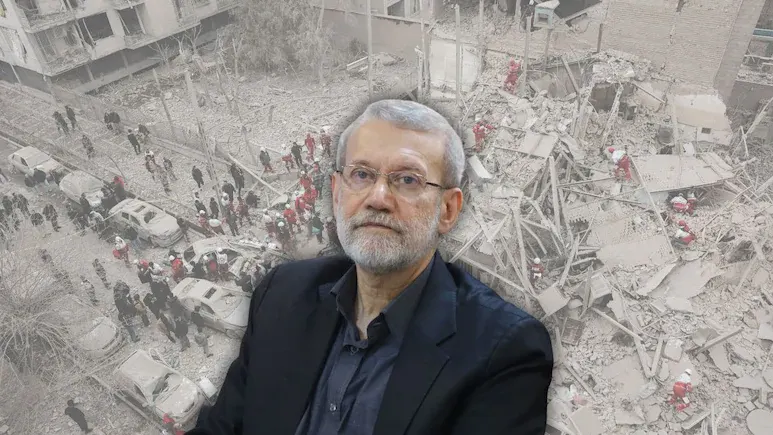
Amid the escalating Iran-Israel-USA war, Iran has made a strong statement following the killing of top security official Ali Larijani in an Israeli strike. Tehran has asserted that its defence system remains intact and resilient, rejecting claims that the assassination could weaken its military or governance structure.
Iran’s Strong Message After Larijani’s Death
Iran’s Foreign Minister Abbas Araghchi has clarified that the country’s system does not depend on individuals but on institutions. He emphasized that even the killing of high-ranking leaders, including Larijani, will not destabilize Iran’s governance or military strength. :contentReference[oaicite:0]{index=0}
This statement comes at a time when Israel claims to have eliminated several top Iranian officials, including Larijani and senior Basij commanders, in targeted strikes.
What is Iran’s ‘Mosaic Defence’ Strategy?
The key reason behind Iran’s confidence lies in its unique military doctrine known as “Mosaic Defence”. This strategy decentralizes military power across multiple units, making it extremely difficult for enemies to cripple the system by targeting top leaders. :contentReference[oaicite:1]{index=1}
Under this model:
- Command structures are distributed across regions
- Local units can operate independently
- Even if central leadership is hit, operations continue
This approach was developed by Iranian strategist Mohammad Ali Jafari and is based on lessons from past US military campaigns in the Middle East.
War Situation: Rising Tensions Across the Region
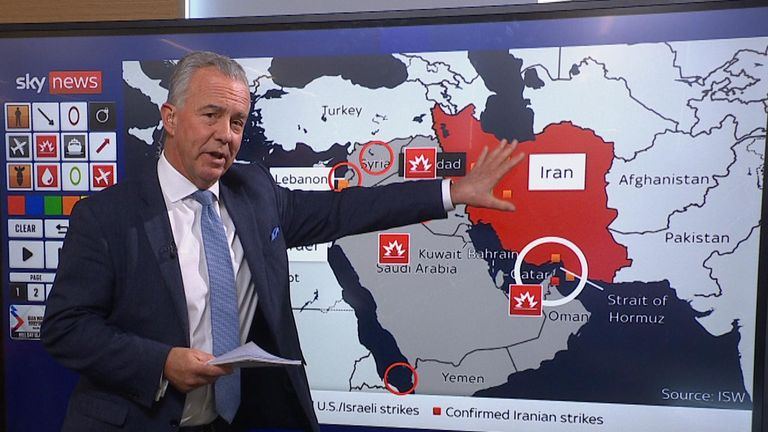
The broader conflict continues to intensify. Iran has launched missile and drone attacks targeting Israel and US-linked positions in retaliation. In response, multiple Gulf countries have activated air defence systems to intercept incoming threats. :contentReference[oaicite:2]{index=2}
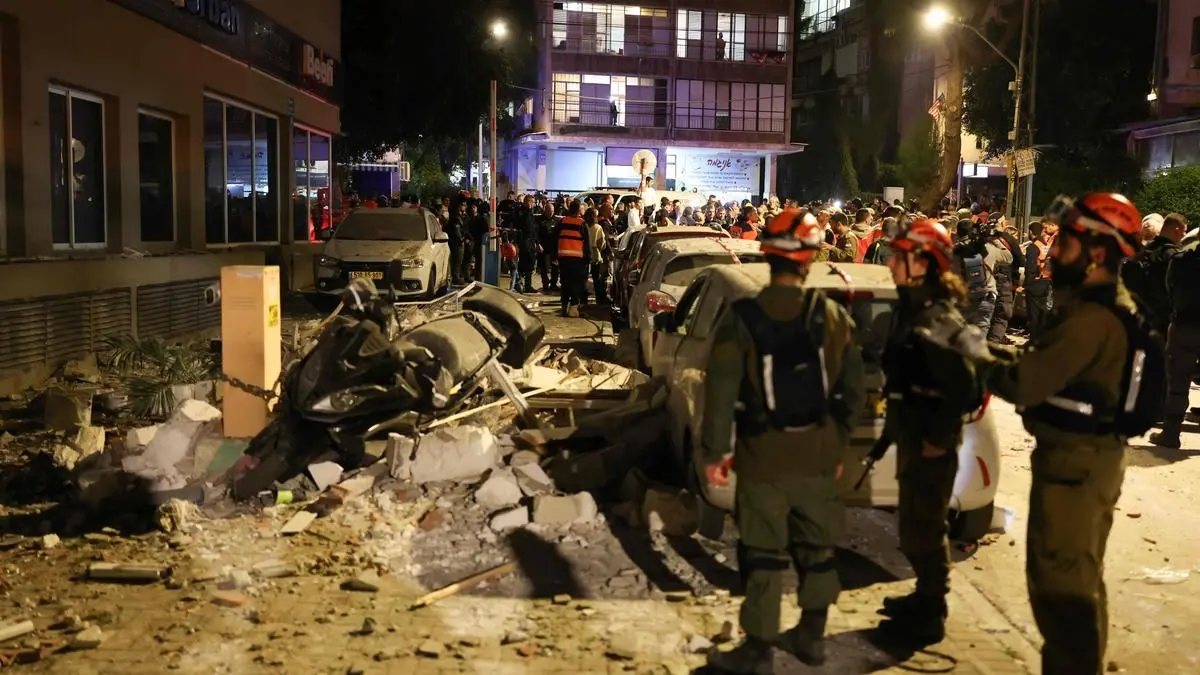
In Israel, casualties have already been reported after Iranian missile strikes, while Saudi Arabia and Kuwait have intercepted drones and rockets aimed at their territories. :contentReference[oaicite:3]{index=3}
Spillover Impact: Dubai and Gulf Under Threat
The conflict is no longer limited to Iran and Israel. In Dubai, air defence systems intercepted incoming missiles, with debris falling in parts of the city. This highlights how the war is spreading across the Gulf region. :contentReference[oaicite:4]{index=4}
Experts warn that continued escalation could disrupt global oil supply chains, especially if the Strait of Hormuz becomes unstable.
Big Picture: Why Iran Still Looks Strong
Despite heavy losses in leadership, Iran’s system remains operational due to:
- Decentralized military structure
- Institution-based governance
- Strong paramilitary networks like the Basij
- Experience from past conflicts
Even Israeli assessments suggest that Iran’s regime is not collapsing and remains prepared for a prolonged conflict. :contentReference[oaicite:5]{index=5}
What Happens Next?
The situation remains highly volatile. Key factors to watch include:
- Further retaliatory strikes by Iran
- Direct US military escalation
- Security of Gulf countries and oil routes
For now, Iran’s message is clear — the killing of top leaders like Ali Larijani is a blow, but not enough to break its defence system.