 Mr_Rajkamal
 Iran War Escalates: Missiles Fired After Killing of Top Commanders, Middle East on Edge
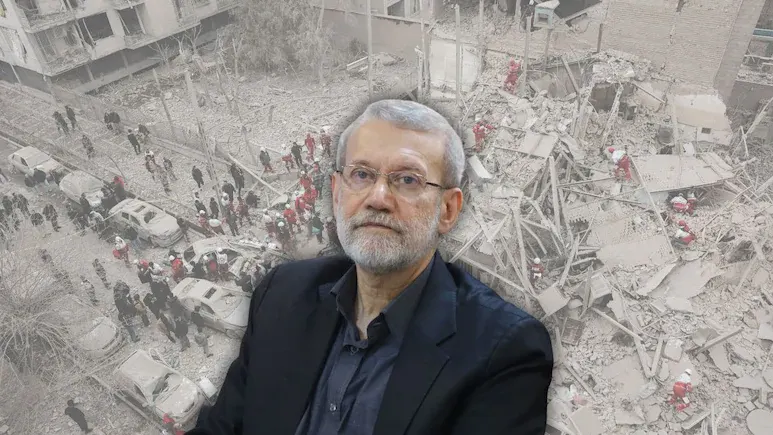
The Iran-Israel-USA war has entered a highly dangerous phase as Iran launched a massive barrage of missiles and drones following the killing of its top officials, including Ali Larijani and Basij commander Gholam Reza Soleimani. The escalation has raised fears of a full-scale regional war affecting not just the Middle East but the global economy.
What triggered the latest escalation?
The latest wave of attacks came after Israeli strikes reportedly killed key Iranian leaders. In response, Iran launched multi-warhead missiles targeting Israel and Gulf countries, marking one of the most intense retaliations since the war began in late February 2026. :contentReference[oaicite:0]{index=0}
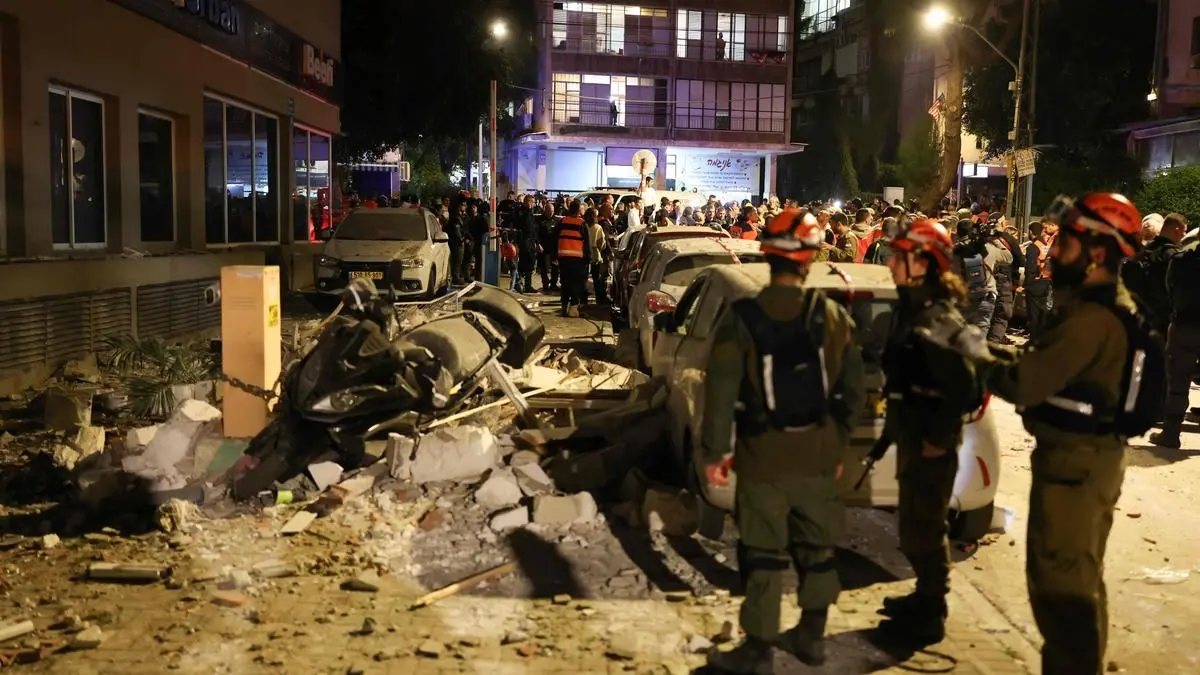
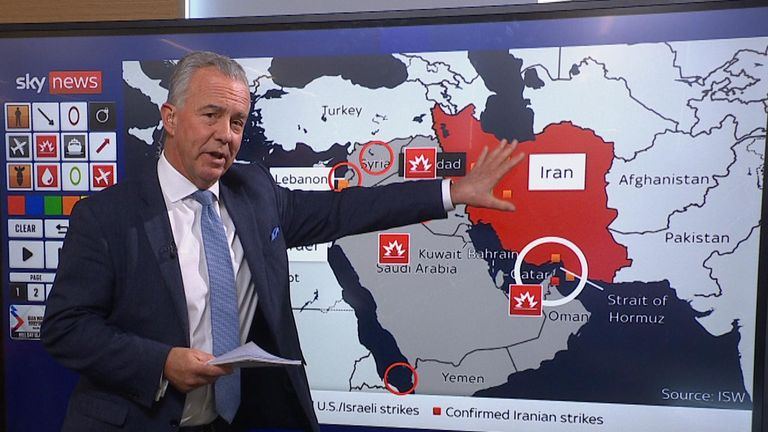
Reports indicate that Iranian missiles struck parts of central Israel, causing casualties, while drones and rockets were also aimed at Saudi Arabia, Kuwait, and the UAE, many of which were intercepted by air defence systems. :contentReference[oaicite:1]{index=1}
US enters deeper into the conflict
The United States has increased its direct involvement by targeting Iranian missile infrastructure near the Strait of Hormuz — a critical global oil route. This move has significantly raised tensions and increased the risk of a wider international conflict. :contentReference[oaicite:2]{index=2}
Earlier strikes by the US and Israel had already targeted hundreds of Iranian military sites, marking the beginning of this war on February 28, 2026. :contentReference[oaicite:3]{index=3}
Strait of Hormuz: Global crisis point
The Strait of Hormuz has once again become the center of global concern. Around 20% of the world’s oil passes through this narrow route, and any disruption could trigger a massive economic crisis. :contentReference[oaicite:4]{index=4}
Analysts warn that if the conflict continues to intensify in this region, oil prices could surge dramatically, impacting countries like India that rely heavily on imports.
Heavy casualties and humanitarian crisis
The war has already caused massive destruction. Thousands have been killed or injured across Iran, Israel, Lebanon, and Iraq, with millions displaced due to continuous airstrikes and missile attacks. :contentReference[oaicite:5]{index=5}
In one of the deadliest incidents, a missile strike on a school in Iran reportedly killed over 170 people, mostly children, highlighting the severe humanitarian cost of the conflict. :contentReference[oaicite:6]{index=6}
War spreading beyond borders
The conflict is no longer limited to Iran and Israel. Missile alerts and air defence interceptions have been reported across Gulf nations, while attacks have also targeted areas near the US embassy in Iraq and Hezbollah positions in Lebanon. :contentReference[oaicite:7]{index=7}
This indicates that the war is expanding into a wider regional conflict involving multiple countries.
Global impact: Oil, economy, and security
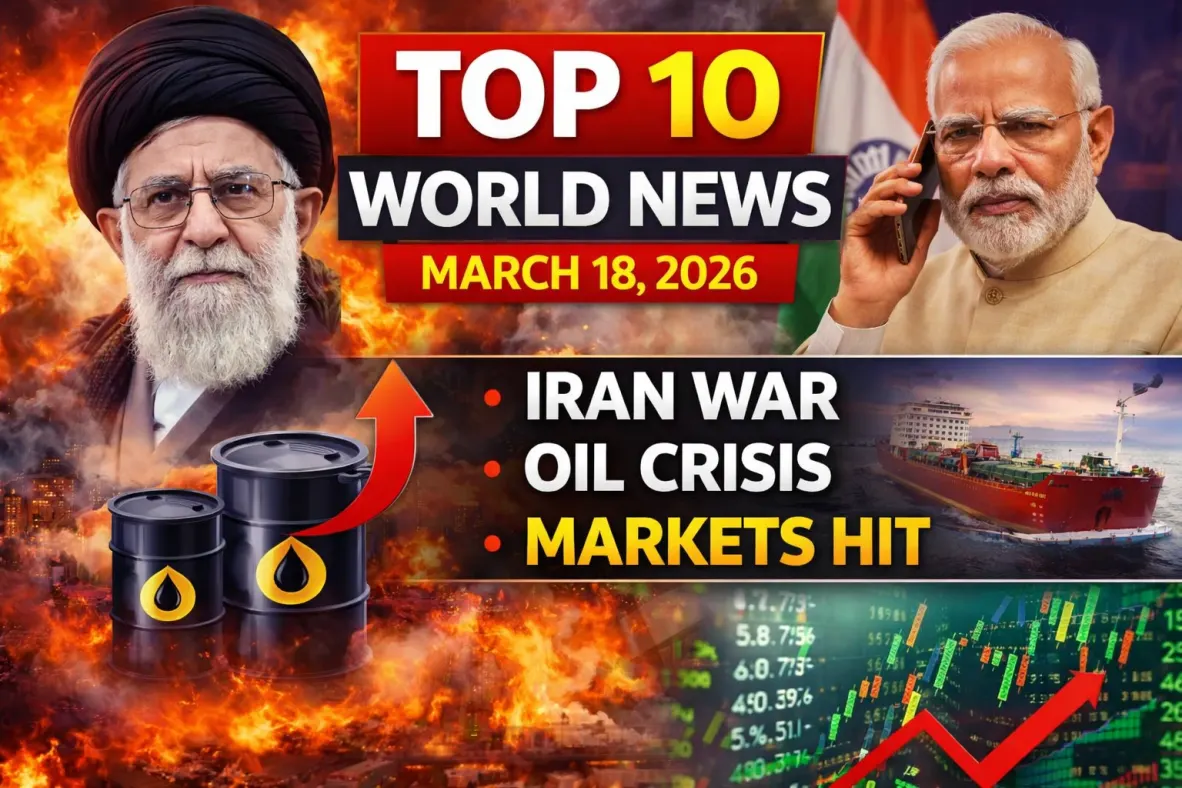
The war is already impacting global markets. Oil prices have surged beyond $100 per barrel, and supply disruptions are being described as one of the largest in history. :contentReference[oaicite:8]{index=8}
There are also rising concerns about cyberattacks and threats to global tech infrastructure, as Iran has warned that US-linked companies could become potential targets. :contentReference[oaicite:9]{index=9}
What happens next?
The situation remains extremely volatile. Key developments to watch include:
- Further Iranian retaliation against Israel and US bases
- Possible closure or disruption of the Strait of Hormuz
- Increased involvement of Gulf countries
- Global economic slowdown due to rising energy prices
For now, one thing is clear — this conflict is no longer a limited war. It has become a global geopolitical crisis with far-reaching consequences.