 Mr_Rajkamal
 Iran-Israel-USA War Live: Middle East Conflict Deepens After Killing of Top Iranian Officials
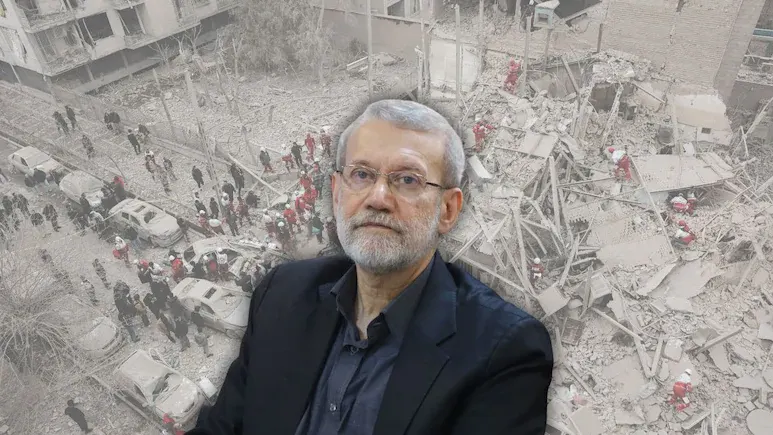
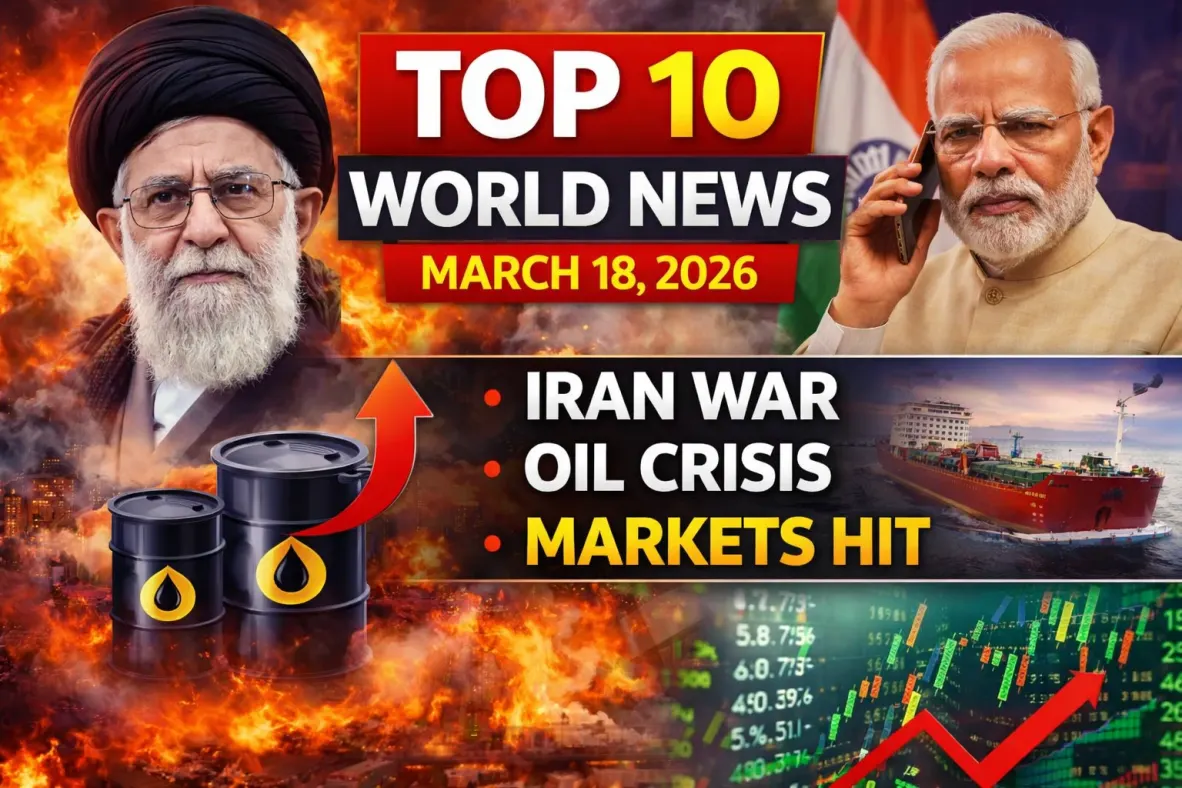
The Iran-Israel-USA war entered a more dangerous phase on March 18, 2026, as the region saw fresh missile exchanges, new airstrikes near the Strait of Hormuz, and rising fears of a wider economic and humanitarian shock. Reports from multiple international outlets said Israel claimed to have killed Ali Larijani, one of Iran’s top security officials, along with Basij commander Gholamreza Soleimani, triggering fresh retaliation from Tehran. :contentReference[oaicite:0]{index=0}
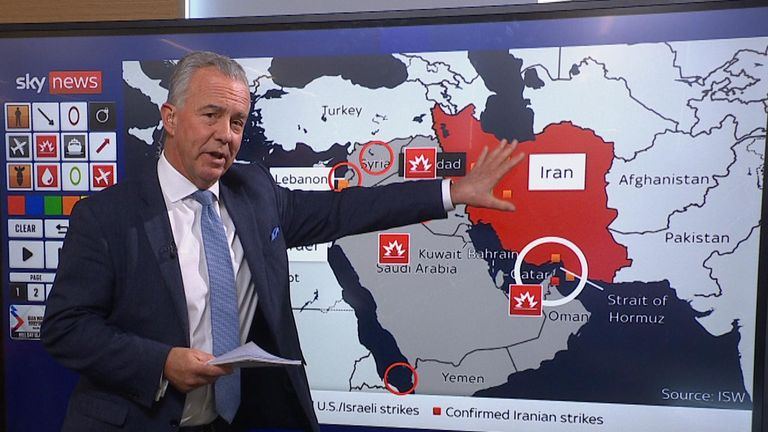
Iran responded with missile and drone attacks aimed at Israel and parts of the Gulf, while the United States reportedly struck Iranian missile infrastructure near the Strait of Hormuz. The latest escalation has again pushed the Middle East closer to a full regional war, with global markets, oil shipping routes, and civilian safety all under pressure. :contentReference[oaicite:1]{index=1}
Why this escalation matters
The killing of Ali Larijani is being described as one of the most significant blows to Iran’s wartime leadership in recent weeks. International coverage says Larijani was a central figure in Iran’s security structure, and his death comes at a time when Tehran is already under severe military and political stress. :contentReference[oaicite:2]{index=2}
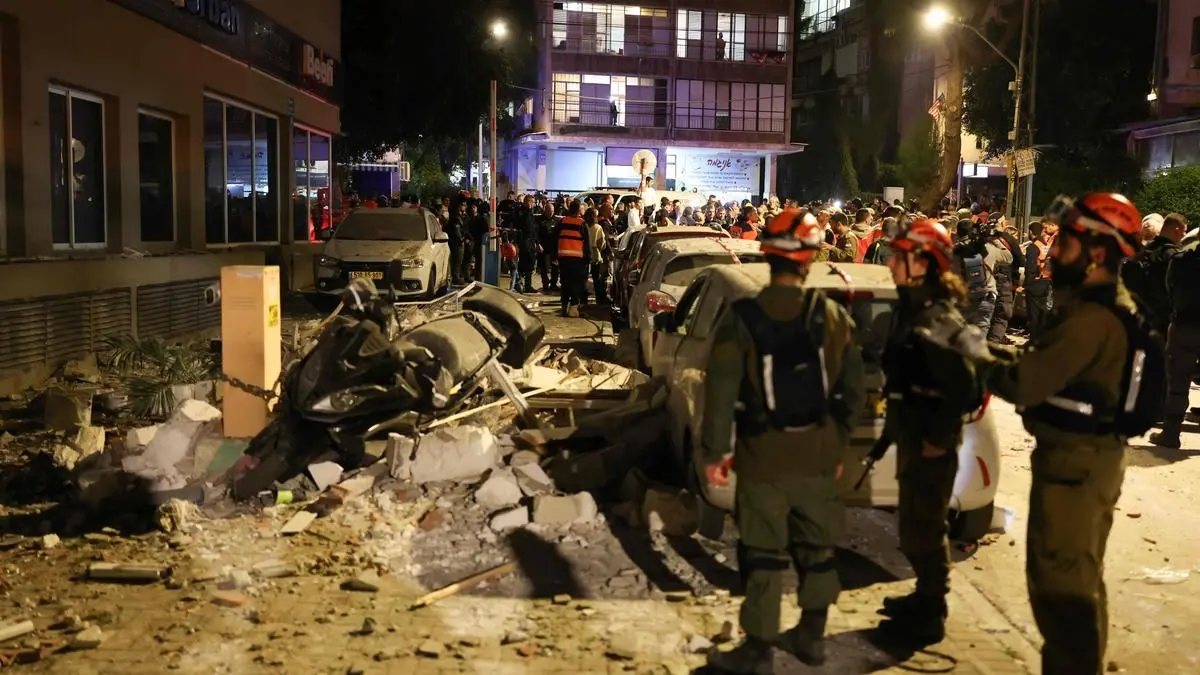
Iran’s response showed that despite repeated strikes on its command structure, it still retains the ability to launch missiles across the region. Fresh barrages reportedly targeted Israel, while Gulf states including the UAE, Saudi Arabia, and Kuwait also dealt with aerial threats or interceptions. :contentReference[oaicite:3]{index=3}
Strait of Hormuz back in focus
The Strait of Hormuz has once again become the center of global concern. The narrow waterway is one of the world’s most important energy chokepoints, and any military activity there immediately affects oil sentiment, shipping insurance, and global inflation fears. Reuters reported that Israeli officials said the war’s goals were still not fully achieved even as the conflict continued to expand around Hormuz. :contentReference[oaicite:4]{index=4}
At the same time, reports indicate the U.S. military struck Iranian missile positions near the strait in an effort to protect international shipping lanes. That move has increased fears that the conflict may now shift from a direct Israel-Iran confrontation into a broader multi-country military crisis affecting trade routes across the Gulf. :contentReference[oaicite:5]{index=5}
Gulf countries face new threat
The Gulf region is no longer just watching from the sidelines. Emergency alerts, missile interceptions, and airspace disruptions have already been reported in the UAE, with residents in Dubai and nearby areas hearing loud blasts linked to air defence activity. This has raised concern that regional infrastructure, airports, ports, and energy assets may remain exposed if the war intensifies further. :contentReference[oaicite:6]{index=6}
For Asian economies, including India, this matters because any prolonged disruption in Gulf shipping can affect crude prices, freight costs, and supply chains. The geopolitical risk premium on oil remains elevated as long as Hormuz remains unstable. This is one reason global investors and policymakers are tracking every military update from the region so closely. :contentReference[oaicite:7]{index=7}
Humanitarian crisis keeps growing
Beyond military developments, the human cost is becoming harder to ignore. International reporting says the broader war has already caused large-scale displacement in Lebanon and severe civilian stress across multiple conflict zones. The World Health Organization has separately confirmed attacks on healthcare sites in Iran and Lebanon since the conflict began, underscoring the widening humanitarian fallout. :contentReference[oaicite:8]{index=8}
There are also growing worries about cultural and civilian infrastructure. Associated Press reported recent damage to historical sites in Iran, adding another layer to the cost of the conflict. While governments continue to speak in military terms, the long-term damage may extend far beyond the battlefield. :contentReference[oaicite:9]{index=9}
What happens next
The next phase of the war may depend on three key factors: whether Iran expands retaliation beyond missile attacks, whether the U.S. deepens direct military involvement, and whether Gulf states remain protected from spillover strikes. None of those questions has a clear answer yet, which is why the region remains on edge. This is an inference based on the current pattern of strikes, retaliatory attacks, and widening geographic spread of the conflict. :contentReference[oaicite:10]{index=10}
For now, the March 18 live developments suggest one clear reality: the Iran-Israel-USA war is no longer a contained confrontation. It has become a wider regional emergency with strategic, economic, and humanitarian consequences that could reshape the Middle East in the days ahead