 Mr_Rajkamal
 Global News Today (March 16, 2026): Politics, Economy and Conflicts
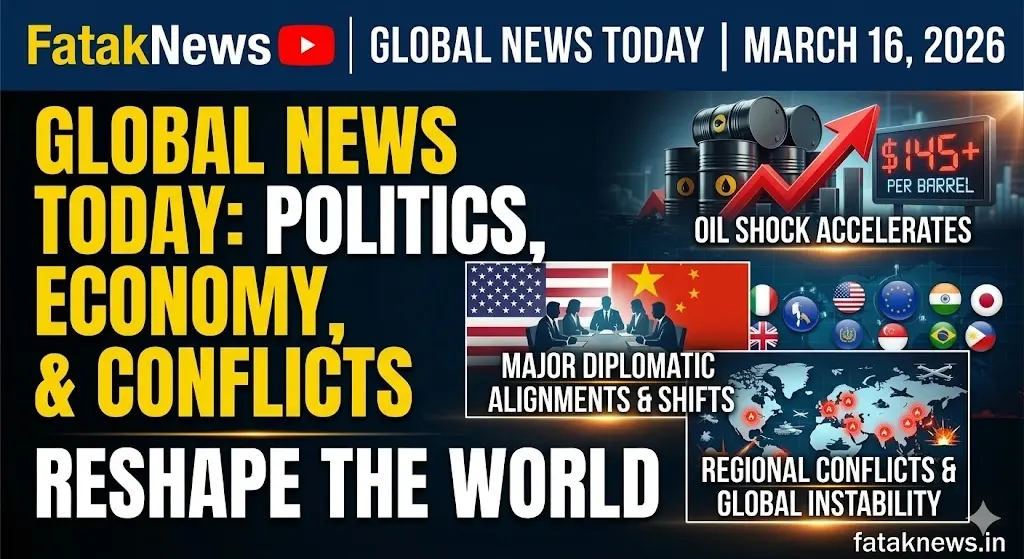
Global headlines on March 16, 2026 are dominated by rising geopolitical tensions, economic uncertainty, and ongoing international conflicts. Governments and financial markets across the world are closely monitoring these developments as they continue to influence global stability and economic growth.
From escalating tensions in the Middle East to diplomatic talks between major global powers, today's developments highlight how interconnected global politics and the economy have become.
Middle East Conflict Continues to Escalate
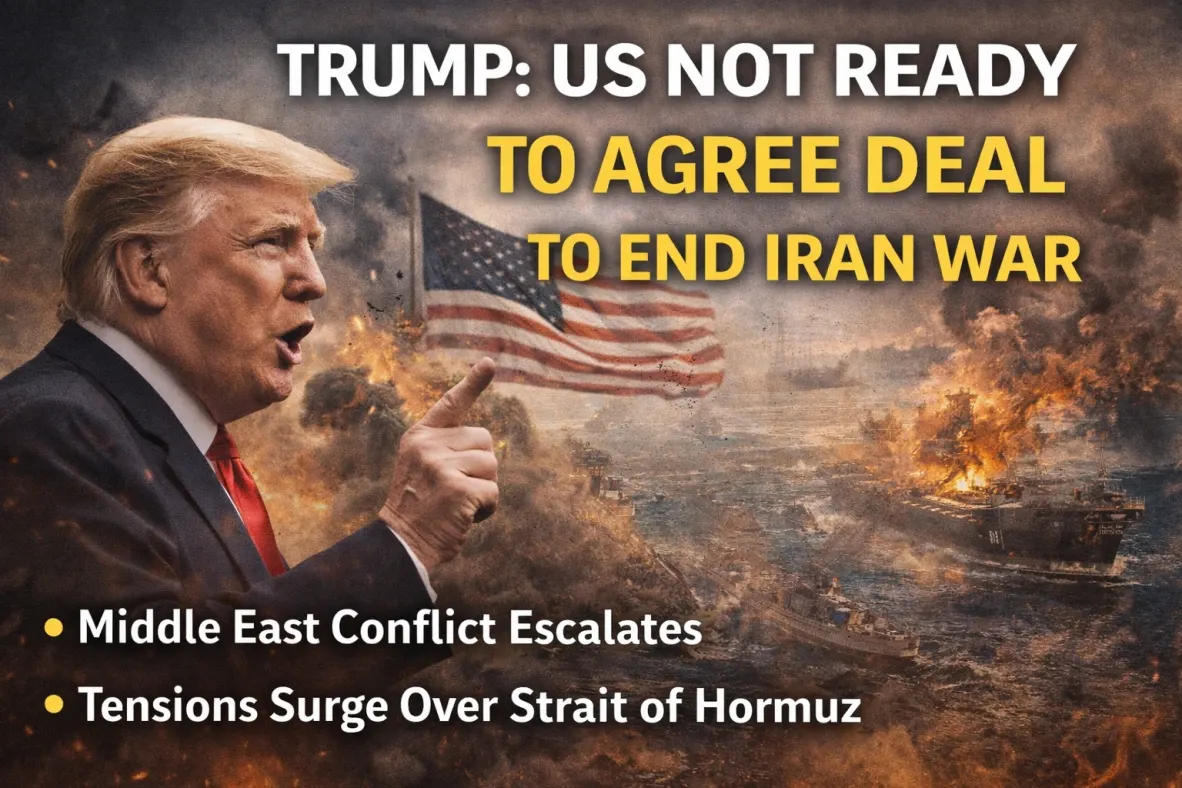
The Middle East remains the focal point of global attention as tensions involving Iran, Israel, and the United States continue to intensify. Military activity and threats of further retaliation have increased concerns about a wider regional conflict.
One of the most critical concerns is the security of the Strait of Hormuz, a strategic shipping route that carries nearly 20 percent of the world's oil supply. Any disruption in this region could significantly affect global energy markets and international trade.
Oil Prices Rise Amid Supply Fears
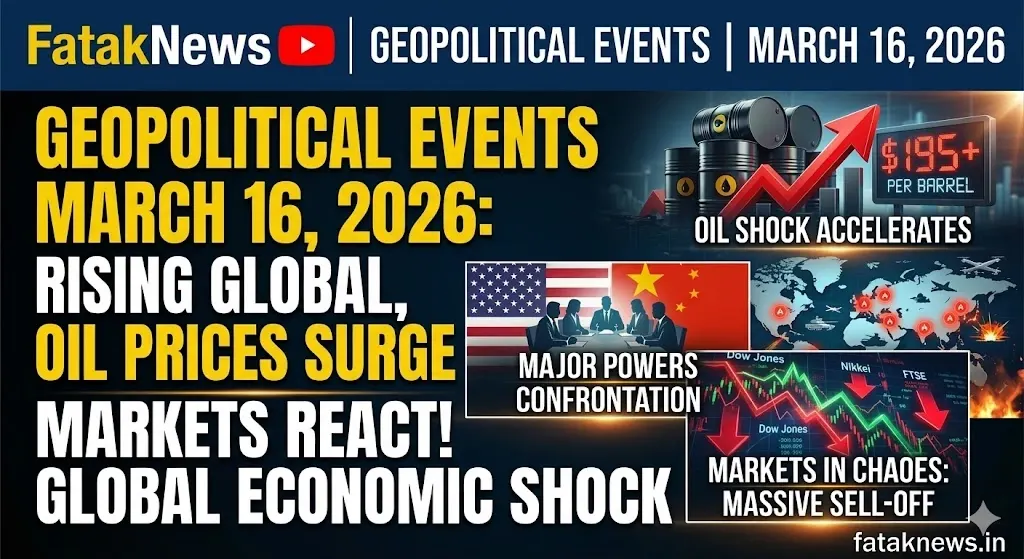
Global oil prices have surged as markets react to fears of supply disruptions caused by the ongoing geopolitical tensions. Energy analysts warn that prolonged instability in oil-producing regions could lead to further price increases.
Higher oil prices can affect transportation, manufacturing, and energy costs across the world, increasing inflationary pressure on national economies.
Global Markets React to Rising Geopolitical Risk
Stock markets around the world have shown volatility as investors react to the uncertain geopolitical environment. Financial analysts warn that prolonged instability could slow global economic growth and affect investment sentiment.
Energy companies have seen gains due to rising oil prices, while other sectors remain cautious due to increasing economic uncertainty.
Diplomatic Talks Between Global Powers
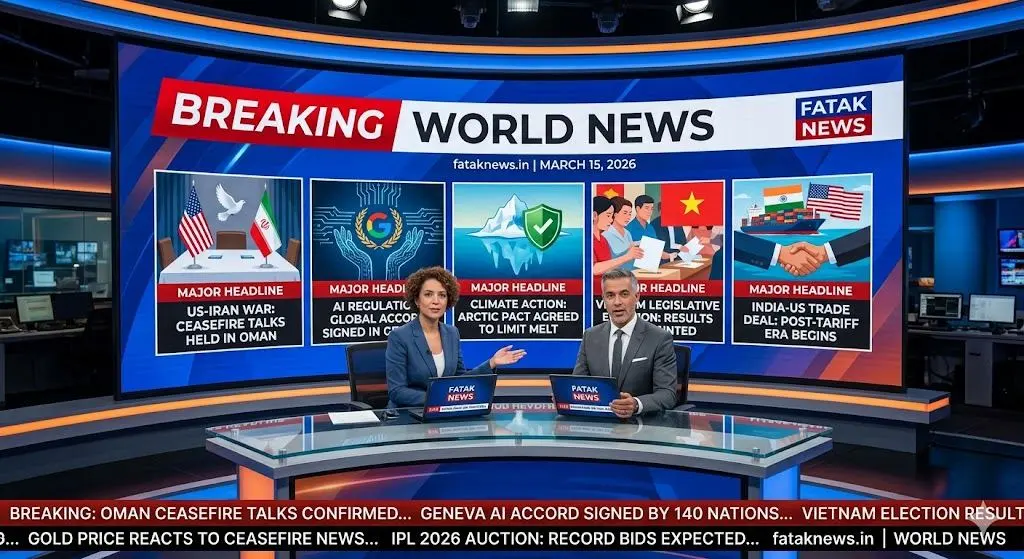
Diplomatic engagement between major powers continues as governments attempt to manage rising geopolitical tensions. Economic and strategic discussions between the United States, China, and European leaders are being closely watched by global markets.
Improved diplomatic cooperation could help stabilize trade relations and reduce geopolitical risks affecting global markets.
Impact on Emerging Economies
Emerging economies are particularly sensitive to global geopolitical shocks. Countries heavily dependent on imported energy may face inflation and economic pressure if crude oil prices continue to rise.
India, for example, imports a large portion of its crude oil needs, meaning that sustained oil price increases could influence fuel prices, transportation costs, and inflation.
Conclusion
The events of March 16, 2026 highlight how geopolitical conflicts, economic uncertainty, and diplomatic developments are shaping the global landscape. As tensions continue and negotiations unfold, the coming weeks may prove critical for global markets and international relations.
FAQs
- What are the biggest global news events on March 16, 2026?
Major developments include the Middle East conflict, rising oil prices, geopolitical tensions, and diplomatic talks between global powers. - Why are oil prices rising globally?
Oil prices are rising mainly due to geopolitical tensions and fears of supply disruptions in key oil-producing regions. - How do geopolitical conflicts affect global markets?
Conflicts increase uncertainty for investors, disrupt trade routes, and often lead to higher commodity prices. - Why is the Strait of Hormuz important for global energy markets?
It is one of the most critical oil shipping routes in the world, carrying nearly 20 percent of global oil supply.