 Mr_Rajkamal
 Top 10 Geopolitical Events Shaping the World in 2026
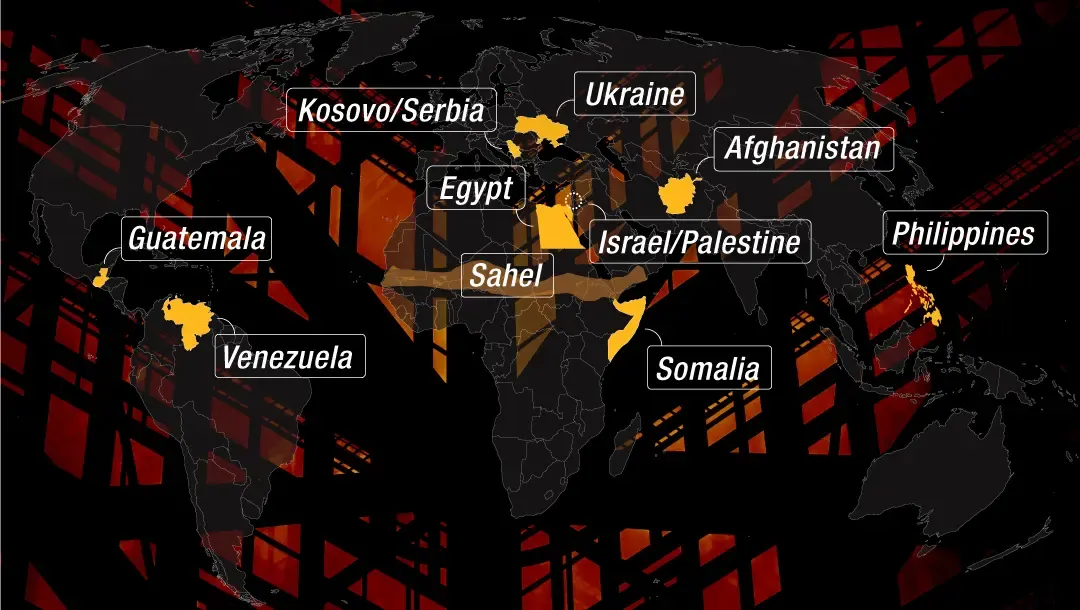
The year 2026 is witnessing major geopolitical developments that are reshaping global politics, security and economic stability. From conflicts in the Middle East to rising cybersecurity threats and energy market disruptions, several events are influencing international relations across the world.
1. US-Iran Conflict Escalation
The ongoing tensions between the United States and Iran have become one of the most significant geopolitical crises of 2026. Military deployments, missile exchanges and naval operations in the Middle East have increased fears of a wider regional conflict.
2. Israel-Iran Regional Tensions
The conflict between Israel and Iran continues to escalate as both sides exchange threats and military strikes. The situation has drawn global attention and raised concerns about stability in the Middle East.
3. Strait of Hormuz Energy Crisis
The Strait of Hormuz, one of the world’s most critical oil shipping routes, has become a geopolitical flashpoint. Any disruption in this region could impact nearly 20 percent of global oil supply.
4. Rising Global Cybersecurity Threats
Cyberattacks targeting governments, financial institutions and major technology companies are increasing. Experts say cybersecurity has become a major battlefield in modern geopolitics.
5. US-China Strategic Competition
Strategic rivalry between the United States and China continues to shape global politics. Trade disputes, military competition and technology restrictions remain key issues affecting international relations.
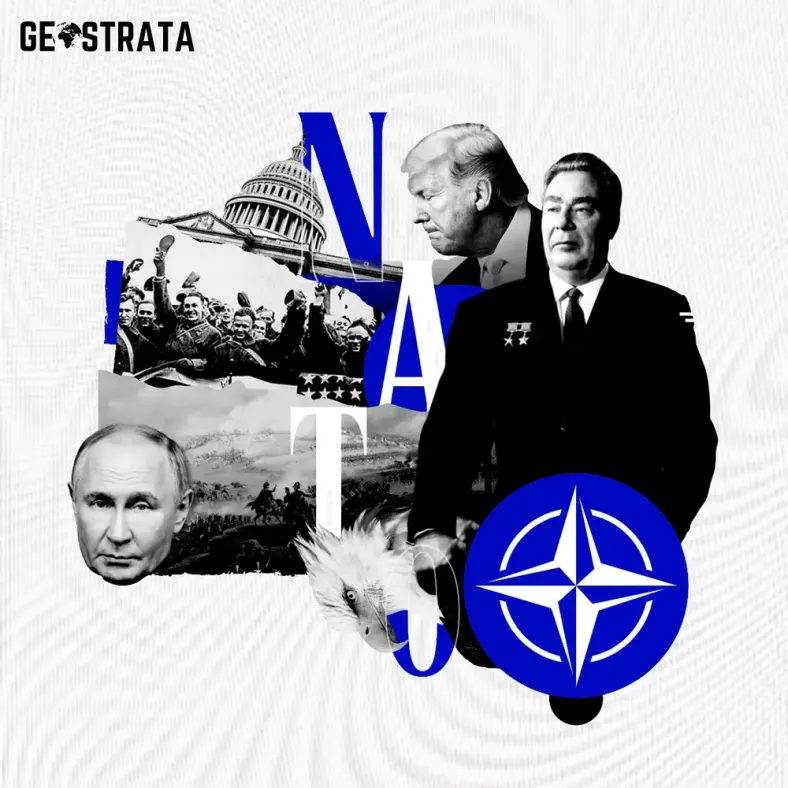
6. NATO Military Expansion
NATO countries are strengthening their military capabilities and increasing defense cooperation amid rising global security concerns.
7. Global Energy Market Instability
Conflicts in key energy-producing regions have caused volatility in global oil and gas markets, increasing fuel prices and affecting international trade.
8. Growing Influence of Artificial Intelligence in Warfare
Artificial intelligence is increasingly being used in military technologies, cybersecurity operations and intelligence systems, changing the nature of modern warfare.
9. Diplomatic Shifts Among Major Powers
Major powers including the US, China, Russia and the European Union are engaged in complex diplomatic negotiations aimed at managing global security challenges.
10. Rising Political Instability in Several Regions
Political instability, economic crises and regional conflicts in various parts of the world continue to create uncertainty in global politics.
The ongoing global geopolitical tensions are influencing energy markets, security alliances and international diplomacy.
Key Geopolitical Trends in 2026
| Geopolitical Issue | Global Impact |
|---|---|
| US-Iran Conflict | Military tensions and regional instability |
| Energy Supply Risks | Oil price volatility |
| Cybersecurity Threats | Digital security challenges |
| US-China Rivalry | Strategic competition and economic impact |
| Military Modernization | Global arms race and defense expansion |
Conclusion
The geopolitical landscape in 2026 is marked by complex conflicts, shifting alliances and growing security challenges. These developments will continue to shape global politics, economic stability and international relations in the coming years.
FAQs
What are the biggest geopolitical events in 2026?
Major geopolitical events include the US-Iran conflict, Israel-Iran tensions, global cybersecurity threats and the strategic rivalry between the United States and China.
Why is the Strait of Hormuz important?
The Strait of Hormuz is a key global oil shipping route through which a significant portion of the world’s oil supply passes.
How do geopolitical conflicts affect the global economy?
Conflicts can disrupt energy supply, increase oil prices, create market instability and affect global trade and economic growth.