 Mr_Rajkamal
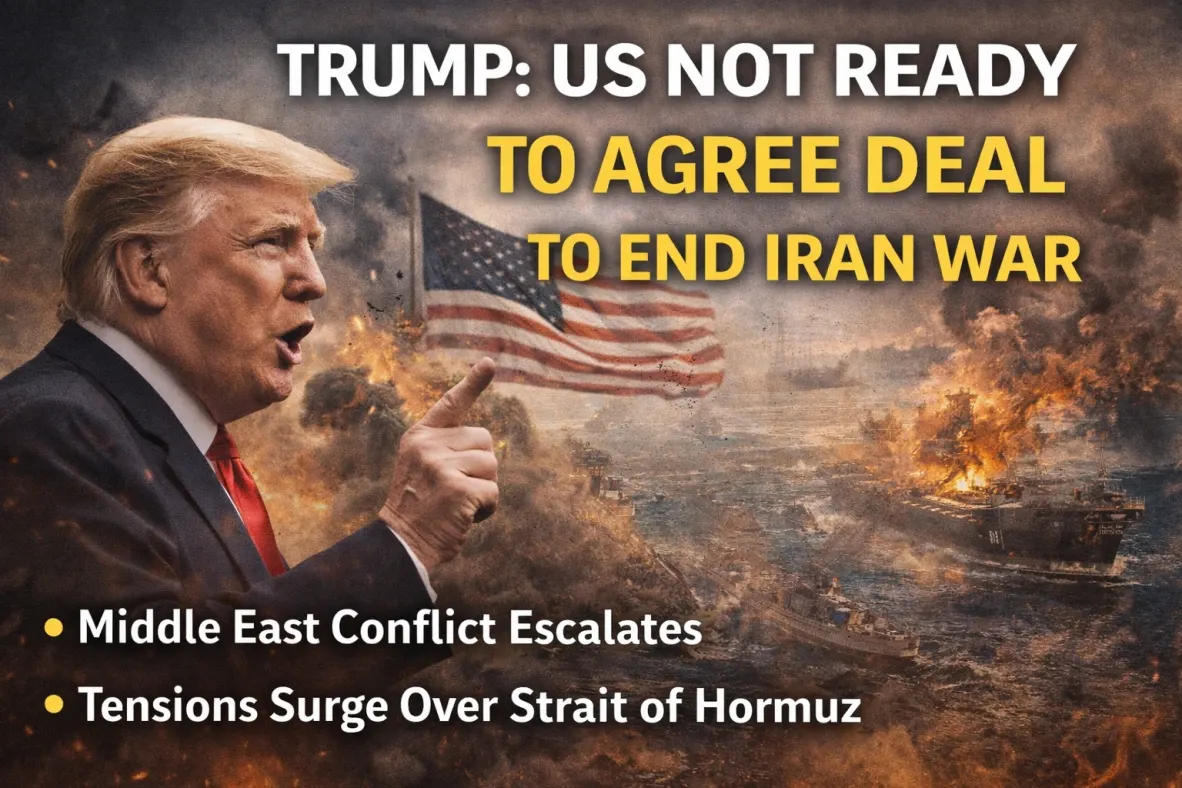
 Trump Says US Not Ready to Agree Deal to End Iran War
US President Donald Trump has said the United States is not ready to agree to a deal with Iran to end the ongoing war in the Middle East, signaling that the conflict could continue despite rising global pressure for diplomacy.
The remarks come as fighting between US-Israeli forces and Iran intensifies, raising concerns about regional stability, energy security, and the global economy.
Trump Rejects Immediate Deal With Iran
Trump indicated that although Iran may be interested in ending the war, Washington is not prepared to accept a deal under the current conditions. According to the US president, any agreement must meet strict requirements and guarantee long-term security before the United States considers ending military operations.
His comments suggest that the conflict could continue until Washington believes it has achieved its strategic objectives. :contentReference[oaicite:0]{index=0}
War Enters Third Week
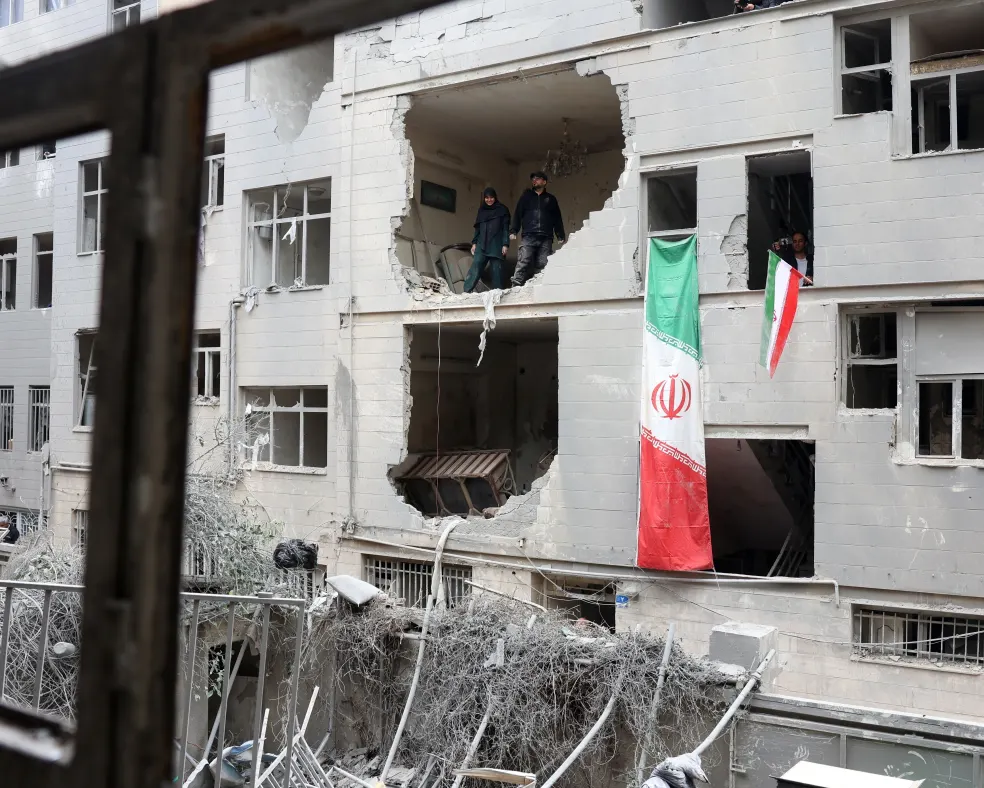
The war between Iran and the US-Israel alliance has now entered its third week. During this period, multiple airstrikes have targeted Iranian military infrastructure and strategic sites, including areas near Iran’s key oil export facilities.
Iran has responded with missile and drone attacks against US bases and Israeli targets across the region, increasing fears of a wider regional conflict. :contentReference[oaicite:1]{index=1}
Global Oil Markets Under Pressure
The conflict has also disrupted shipping and energy markets, particularly around the Strait of Hormuz, one of the world’s most important oil transit routes.
Roughly one-fifth of global oil supply normally passes through this narrow waterway. Any disruption to shipping in the region can trigger sharp increases in global energy prices and create uncertainty in international markets. :contentReference[oaicite:2]{index=2}
International Calls for De-Escalation
Several global leaders and international organizations have called for restraint and diplomatic dialogue to prevent the crisis from escalating further.
However, negotiations remain difficult as both sides continue military operations and accuse each other of escalating the conflict.
Potential Impact on Global Economy
Analysts warn that prolonged instability in the Middle East could significantly affect global energy markets, supply chains, and international trade.
Countries heavily dependent on oil imports, including India and several Asian economies, are closely monitoring developments in the region.
Conclusion
Trump’s refusal to immediately agree to a deal with Iran highlights the deep tensions shaping the current Middle East crisis. As military operations continue and diplomatic efforts struggle to gain momentum, the conflict remains one of the most significant geopolitical challenges facing the world today.
FAQs
- Why did Trump reject a deal to end the Iran war?
Trump said the current terms offered by Iran were not acceptable and that any agreement must guarantee long-term security. - How long has the Iran war been ongoing?
The conflict between Iran and the US-Israel alliance has been ongoing for several weeks with escalating military operations. - Why is the Strait of Hormuz important?
Around 20% of global oil supply passes through the Strait of Hormuz, making it a critical shipping route for energy markets. - How could the Iran war affect global markets?
The conflict could disrupt oil supplies, increase energy prices, and create volatility in global financial markets.
The growing conflict is already affecting global markets. For a broader overview read World News March 16, 2026 .
Recent geopolitical developments are also shaping the global economy. Read our analysis on Geopolitical Events March 16, 2026 .