 Mr_Rajkamal
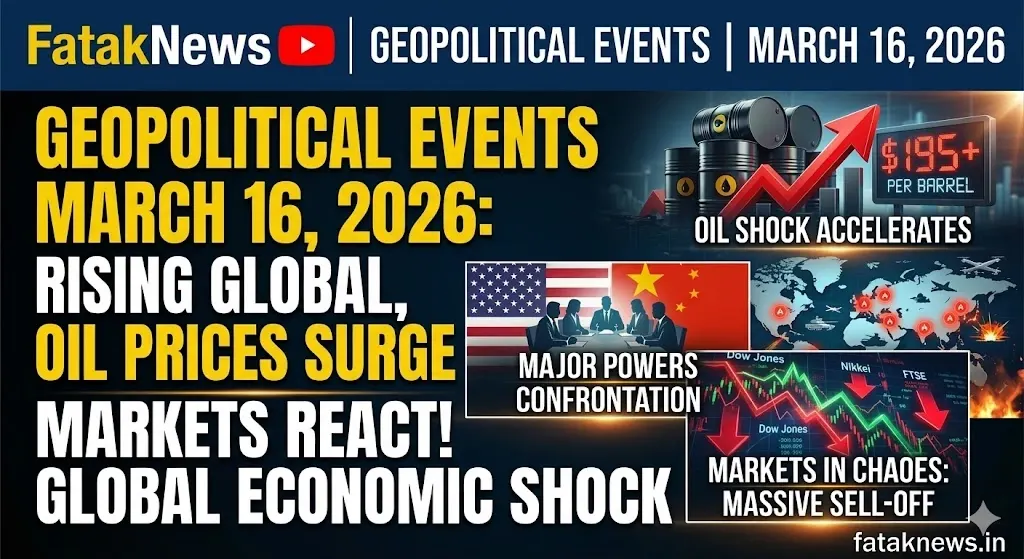
 Geopolitical Events March 16, 2026: Rising Global Tensions and Economic Uncertainty
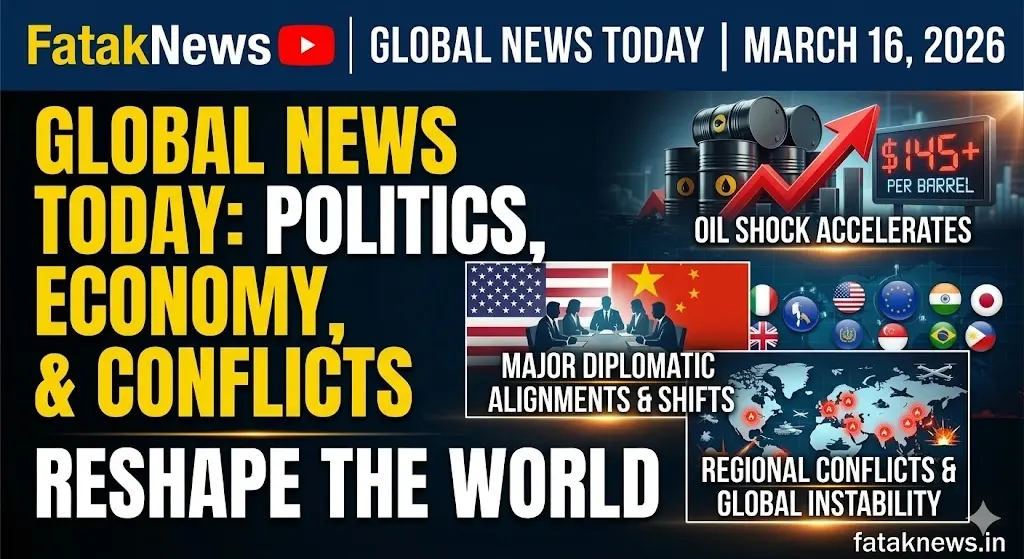
The global political landscape continues to experience turbulence as major geopolitical events unfold on March 16, 2026. From escalating tensions in the Middle East to global economic concerns and diplomatic negotiations among major powers, these developments are influencing international markets and global stability.
Governments, investors, and policymakers around the world are closely monitoring these events as geopolitical tensions increasingly affect energy markets, trade relations, and economic growth.
Middle East Tensions Continue to Escalate
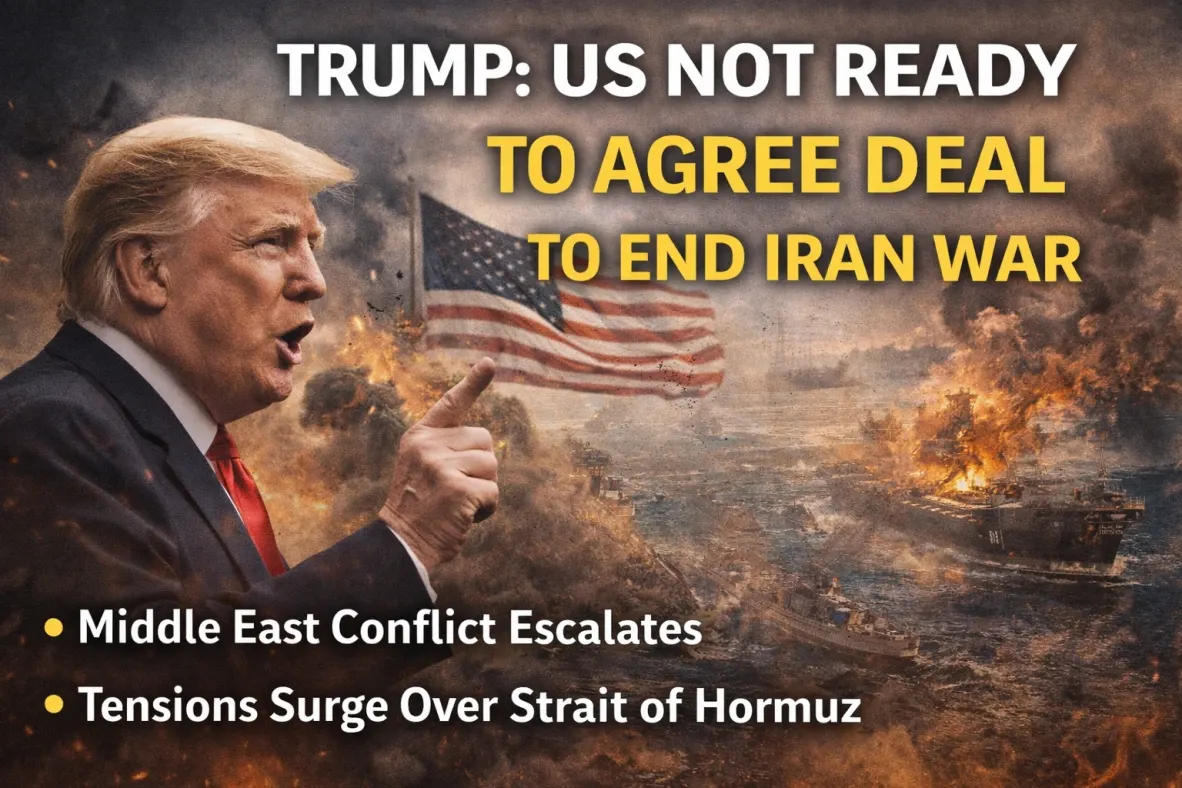
The Middle East remains one of the most critical geopolitical hotspots. Rising tensions involving Iran, Israel, and the United States have created concerns about the possibility of a wider regional conflict.
Strategic military activity and diplomatic warnings have increased global uncertainty, particularly regarding energy supply routes in the Persian Gulf.
Oil Prices Surge Amid Supply Concerns
Energy markets have responded sharply to the geopolitical developments. Global oil prices have risen significantly as traders anticipate possible disruptions to oil supply.
The Strait of Hormuz, through which nearly 20 percent of the world's oil supply passes, remains a key point of concern for global energy security.
Global Markets React to Geopolitical Risks
Financial markets across the world have shown increased volatility as investors react to geopolitical uncertainty. Rising oil prices and fears of prolonged conflicts have created pressure on global stock markets.
Energy companies have benefited from higher oil prices, while other sectors remain cautious as global economic risks increase.
Diplomatic Talks Among Major Powers
Diplomatic efforts continue as global powers attempt to manage rising geopolitical tensions. Discussions between major economies such as the United States, China, and European nations aim to reduce conflict risks and stabilize global trade relations.
Successful diplomatic engagement could help reduce market uncertainty and support global economic stability.
Impact on the Global Economy
Geopolitical tensions are increasingly affecting global economic conditions. Rising energy prices can increase transportation costs, disrupt supply chains, and create inflationary pressures in many countries.
Emerging economies that rely heavily on imported energy are particularly vulnerable to geopolitical shocks.
Conclusion
The geopolitical events of March 16, 2026 highlight the complex relationship between international politics and global economic stability. As tensions continue and diplomatic negotiations evolve, the coming weeks may play a critical role in shaping global markets and international relations.
FAQs
- What are the major geopolitical events on March 16, 2026?
Major events include rising Middle East tensions, increasing oil prices, diplomatic talks between global powers, and economic uncertainty in global markets. - Why do geopolitical tensions affect oil prices?
Because conflicts in oil-producing regions can disrupt supply routes, causing global oil prices to rise. - How do geopolitical events affect global markets?
They increase uncertainty for investors, disrupt trade, and often lead to higher commodity prices. - Why is the Strait of Hormuz important?
It is one of the world's most important oil shipping routes, carrying nearly 20% of global oil supply.