 Mr_Rajkamal
 AI-Generated Videos of ‘Iranian Women Soldiers’ Go Viral During US-Israel–Iran War
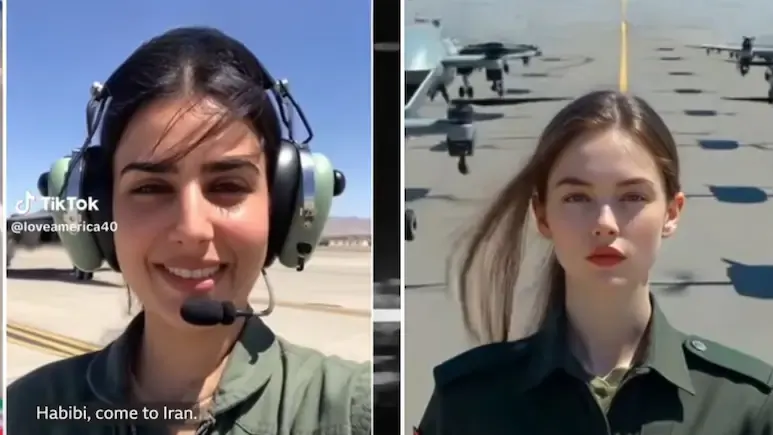
March 2026: As the war between the United States, Israel and Iran intensifies, hundreds of videos showing alleged Iranian women soldiers have gone viral on social media. The clips typically feature women dressed in military gear saying, “Habibi, come to Iran” in dramatic, war-like scenes.
However, investigations by BBC fact-checkers have revealed that many of these videos are likely AI-generated and part of a coordinated online trend.
Millions of Views on Social Media
The videos began appearing shortly after the latest conflict between the US, Israel and Iran escalated last month. Many of the clips have gained millions of views on platforms such as TikTok and Instagram.
Most of the videos follow similar scripts and visuals, suggesting they may have been produced using artificial intelligence tools.
Patterns Found in Viral Accounts
BBC researchers studying the accounts sharing the clips discovered several unusual patterns.
- Most social media accounts were created within the last month.
- Usernames, captions and profile pictures were often nearly identical.
- Many posts used protest and war-related hashtags.
- The majority of the videos appeared to be pro-Iran in tone.
- Most clips were recorded in English, suggesting they target an international audience.
Reality vs Viral Content
Experts also pointed out several inconsistencies between the viral videos and real conditions in Iran.
- Women in Iran are not allowed to serve in combat roles in the military.
- Military service in Iran is mandatory only for men.
- Iran’s mandatory hijab law, introduced after the 1979 Islamic Revolution, requires women to cover their hair and bodies in public.
These factors make the scenes shown in the viral videos highly unlikely to reflect reality.
TikTok Removes Dozens of Accounts
The trend first emerged on TikTok before spreading rapidly to other platforms. TikTok later removed 52 accounts linked to the videos for violating policies against spam, fake engagement and misleading AI-generated content.
However, the company said there was no clear evidence that the activity was part of a coordinated influence campaign. Instead, some creators may have been exploiting the viral trend to gain views and earn revenue.
Another AI War Video Debunked
This is not the first instance of AI-generated war footage circulating online during the ongoing conflict.
A widely shared video claiming to show Iranian missiles striking Tel Aviv was later confirmed to be artificially created by three independent digital forensics experts, according to Reuters.
Investigators found multiple signs of AI manipulation, including:
- Buildings and skyline that did not match Tel Aviv
- Morphing cars and distorted objects
- Artificial or robotic-sounding audio
Following the discovery, platforms including X (formerly Twitter) temporarily suspended several accounts sharing unlabelled AI-generated war content.
Experts warn that AI-generated videos during conflicts can spread misinformation quickly, making it harder for people to distinguish between real events and fabricated propaganda online.