 Rajkml
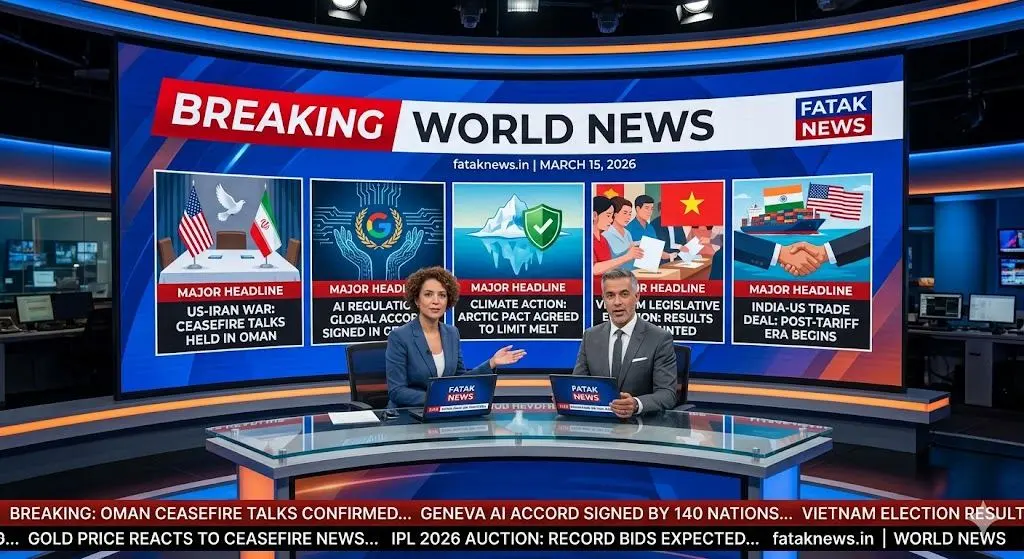
 Top World News March 15, 2026: Middle East War Escalates, Oil Prices Surge, Global Markets on Edge
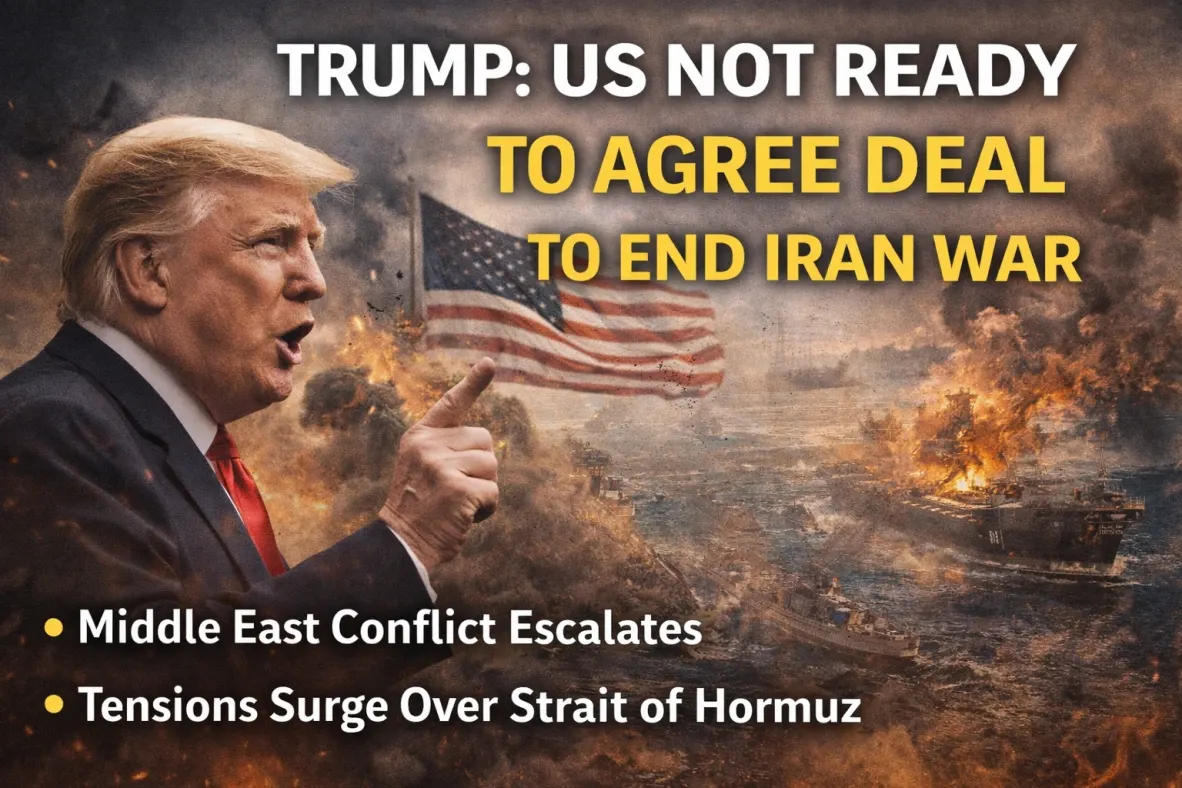
The global geopolitical situation continues to intensify as the Middle East conflict dominates international headlines. The ongoing tensions involving Israel, Iran, Hezbollah, and the United States have created uncertainty across global markets, energy supplies, and international diplomacy.
Here are the major world news headlines for March 15, 2026, highlighting the most important global developments affecting politics, security, and the global economy.
Israel Strike in Southern Lebanon Raises Global Concern
The conflict between Israel and Hezbollah escalated further after an Israeli airstrike in southern Lebanon reportedly killed 12 medical workers. Lebanese officials condemned the attack and warned that continued strikes could worsen the humanitarian crisis in the region.
Southern Lebanon has become a major flashpoint as cross-border rocket attacks and airstrikes continue. The rising violence has forced thousands of civilians to flee their homes while international organizations urge both sides to avoid further escalation.
US–Iran Tensions Expand Across the Gulf
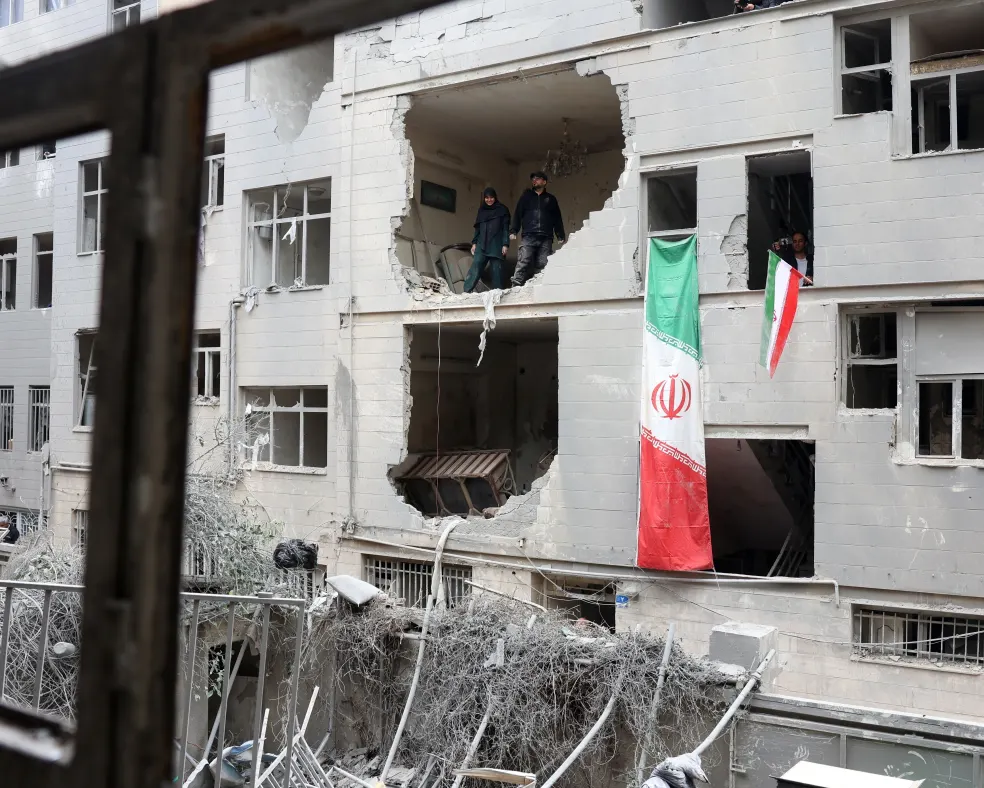
The broader Middle East crisis has also intensified after the United States launched strikes targeting Iranian military infrastructure. Iran responded by launching missile and drone attacks on several strategic locations across the region.
Security analysts warn that the conflict could spread further if military operations continue. Several Gulf countries have increased security around energy facilities and key infrastructure.
Global Oil Prices Cross $100 Per Barrel
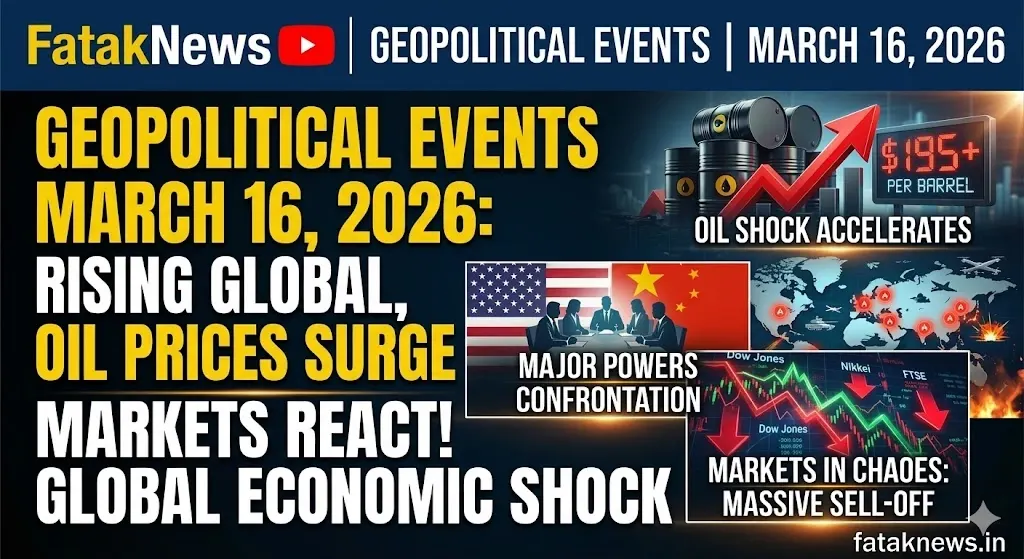
The geopolitical crisis has significantly impacted global energy markets. Oil prices surged above $100 per barrel amid fears of disruptions in the Strait of Hormuz, one of the world's most important oil shipping routes.
Economists warn that prolonged disruptions in oil supply could lead to higher fuel costs, inflation, and economic instability worldwide.
Global Financial Markets Show Volatility
Stock markets across Asia, Europe, and North America experienced volatility as investors reacted to rising geopolitical tensions. Energy companies and defense stocks saw gains, while airline and transportation stocks declined due to increasing fuel prices.
Market analysts say geopolitical uncertainty often leads investors to move toward safer assets such as gold and government bonds.
International Calls for Diplomacy and Ceasefire
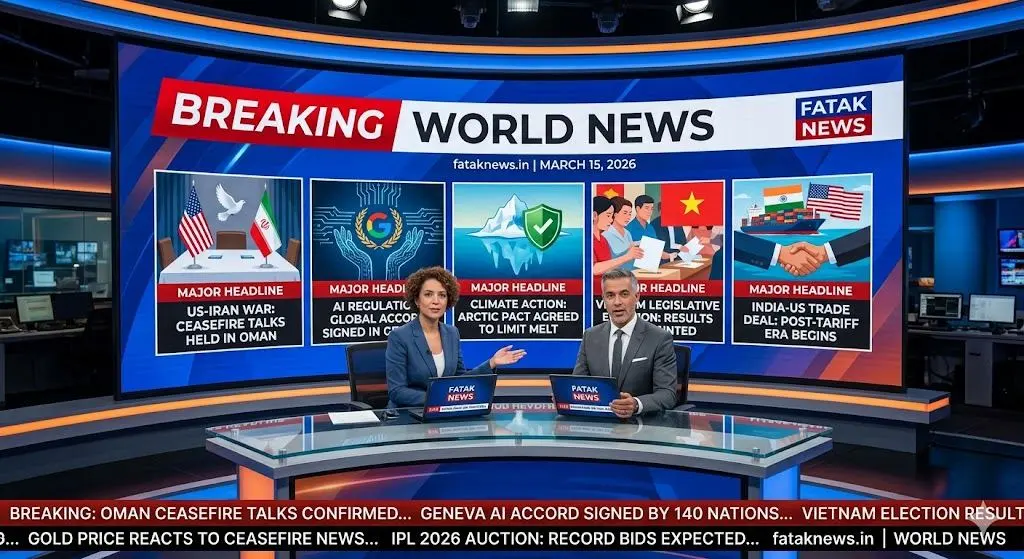
The United Nations and several world leaders have called for restraint and renewed diplomatic negotiations to prevent the conflict from expanding into a larger regional war.
Diplomatic channels remain active, with international mediators attempting to reduce tensions between the parties involved.
Conclusion
The events of March 2026 highlight the fragile nature of global stability. With tensions rising across the Middle East, global energy markets, financial systems, and international relations remain under pressure. Experts warn that without diplomatic solutions, the situation could escalate into one of the most significant geopolitical crises of the decade.
Internal Linking
- Israel-Hezbollah Conflict Latest Updates
- US-Iran War Impact on Global Oil Markets
- Top Geopolitical Events Shaping the World in 2026
- How Middle East Crisis Affects Global Economy
- Explained: Strait of Hormuz Oil Supply Route
- Global Energy Crisis and Rising Oil Prices
FAQ
- What is the biggest global news on March 15, 2026?
The escalation of the Middle East conflict involving Israel, Iran, and Hezbollah is the biggest global development. - Why are oil prices rising globally?
Oil prices are rising due to fears that the conflict could disrupt supply through the Strait of Hormuz. - How does the Middle East conflict affect the global economy?
It impacts energy prices, global trade routes, and financial market stability. - Is the conflict likely to expand?
Experts warn that continued military escalation could lead to a wider regional war if diplomatic efforts fail.