 Mr_Rajkamal
 Top World News – March 15, 2026: Middle East War Escalates, Oil Prices Surge, Global Markets on Edge
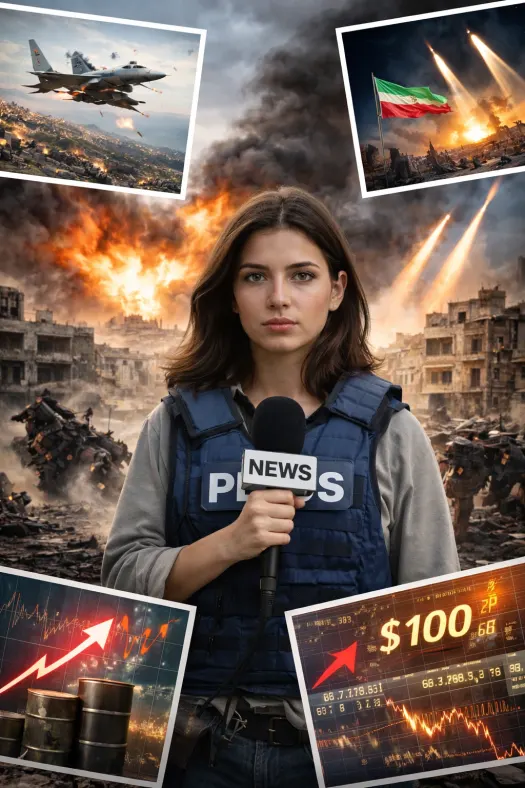
The world is witnessing a rapidly evolving geopolitical crisis as tensions in the Middle East intensify. The ongoing conflict involving the United States, Israel, and Iran has triggered military strikes, rising oil prices, and growing humanitarian concerns across the region. Meanwhile, global markets and governments are closely monitoring the situation as it threatens to impact the world economy.
Israel Strike in Lebanon Kills 12 Medical Workers
One of the most shocking developments came from southern Lebanon, where an Israeli airstrike reportedly killed 12 medical workers including doctors, nurses, and paramedics at a healthcare facility. The Lebanese government condemned the attack and described it as a violation of international humanitarian law.
The strike is part of the broader Israel-Hezbollah confrontation that has intensified since early March. According to officials, hundreds of people have died and nearly one million civilians have been displaced as fighting spreads across Lebanon. :contentReference[oaicite:0]{index=0}
US-Iran Conflict Expands Across the Gulf
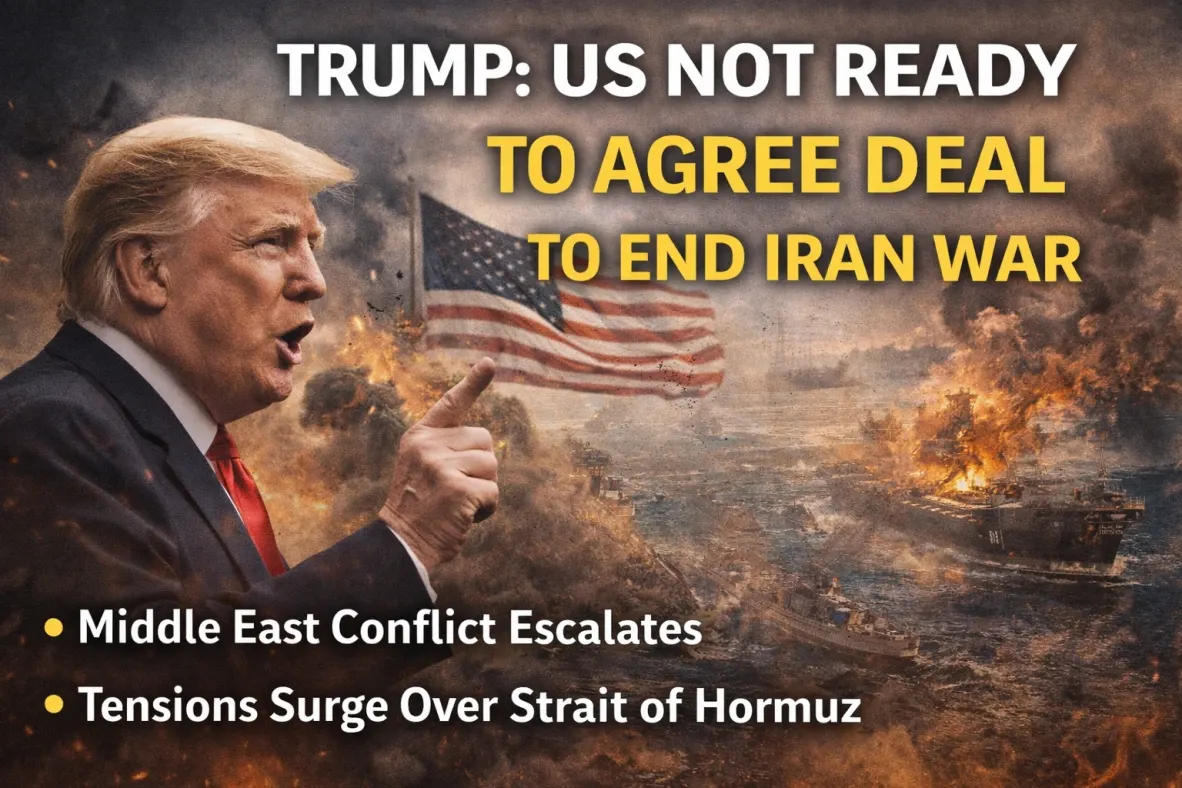
The regional crisis has widened dramatically after the United States launched a major military operation targeting Iran’s strategic infrastructure. US forces reportedly struck multiple military installations near Kharg Island, a key hub that handles about 90% of Iran’s oil exports.
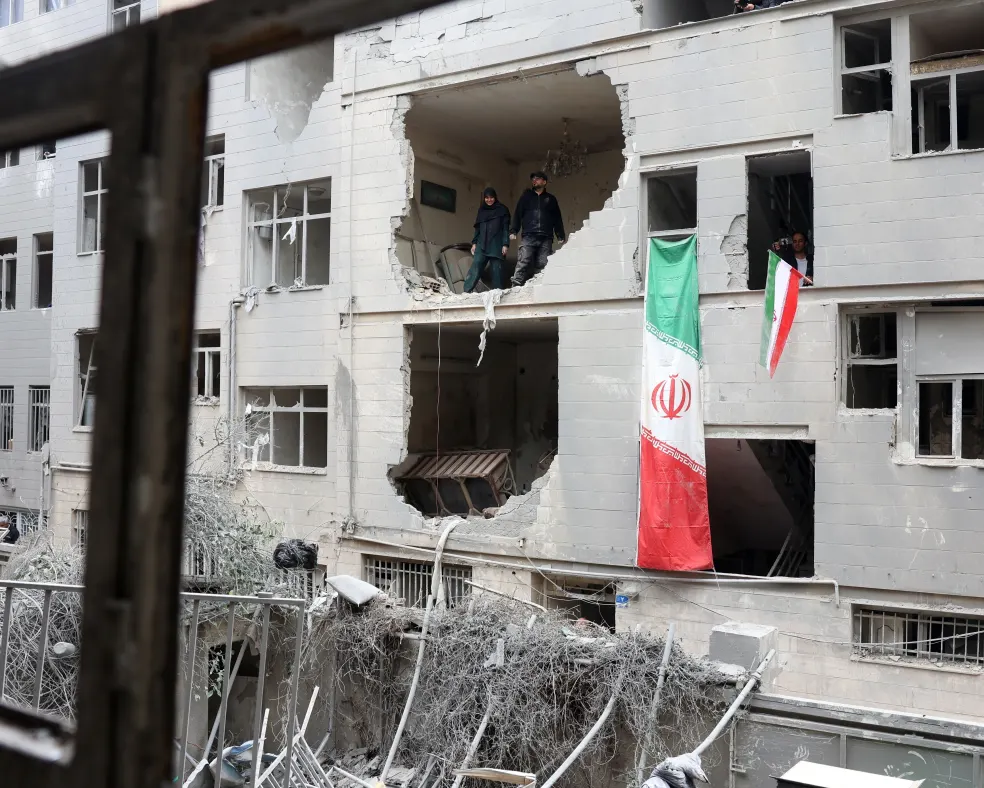
In response, Iran launched missile and drone attacks on several targets across the region, including areas near the US Embassy in Baghdad and energy infrastructure in the Gulf. The escalating conflict has raised fears of a broader regional war. :contentReference[oaicite:1]{index=1}
Global Oil Prices Spike Above $100
The conflict has already started impacting the global economy. Disruptions around the Strait of Hormuz — a key shipping route for energy supplies — have pushed oil prices sharply higher.
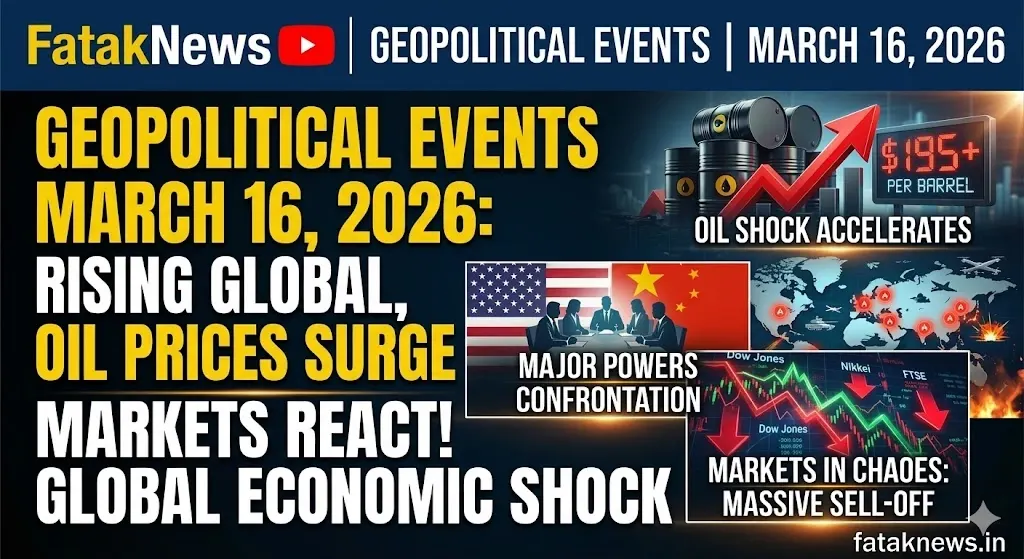
Analysts say the crisis has already driven crude oil prices above $100 per barrel, raising concerns about inflation, energy shortages, and global economic slowdown. Around 20% of the world’s oil supply normally passes through this strategic waterway. :contentReference[oaicite:2]{index=2}
Airlines and Markets React to Rising Fuel Costs
The surge in fuel prices is already affecting businesses. Several airlines have announced fare increases due to higher aviation fuel costs. Investors are also preparing for increased volatility in global financial markets as geopolitical risks continue to rise. :contentReference[oaicite:3]{index=3}
Economic Uncertainty Spreads Worldwide
Global financial leaders warn that prolonged conflict could slow economic growth. Governments across Asia and Europe are closely watching oil markets and trade routes as the crisis threatens supply chains and energy stability.
Experts say geopolitical tensions could trigger inflation and recession risks if disruptions continue for an extended period.
Conclusion
The events of March 2026 highlight how quickly geopolitical conflicts can reshape the global landscape. With military tensions rising, oil markets fluctuating, and humanitarian crises worsening, the world is entering a period of heightened uncertainty. Leaders across the globe are calling for diplomatic solutions to prevent the situation from escalating into a wider war.
Internal Linking
- US-Israel-Iran War Latest Updates
- Global Oil Prices Surge Amid Middle East Crisis
- Top Geopolitical Events Shaping the World in 2026
- How Middle East Conflict Affects Global Economy
- Israel-Hezbollah Conflict Explained
- Impact of War on Global Energy Markets
FAQ
- What is the biggest global news on March 15, 2026?
The escalation of the US-Israel-Iran conflict and rising tensions in Lebanon are among the biggest global developments. - Why are oil prices rising globally?
Oil prices are rising because the conflict threatens shipping through the Strait of Hormuz, a key global oil route. - How does the Middle East conflict affect the world?
It impacts global energy prices, financial markets, trade routes, and geopolitical stability. - Is the conflict spreading to other countries?
Yes, attacks and military actions have expanded across Lebanon, Iraq, and parts of the Gulf region.