 Mr_Rajkamal
 Global Warning: Middle East War Threatens Global Economy, 40 Countries Face Major Economic Shock
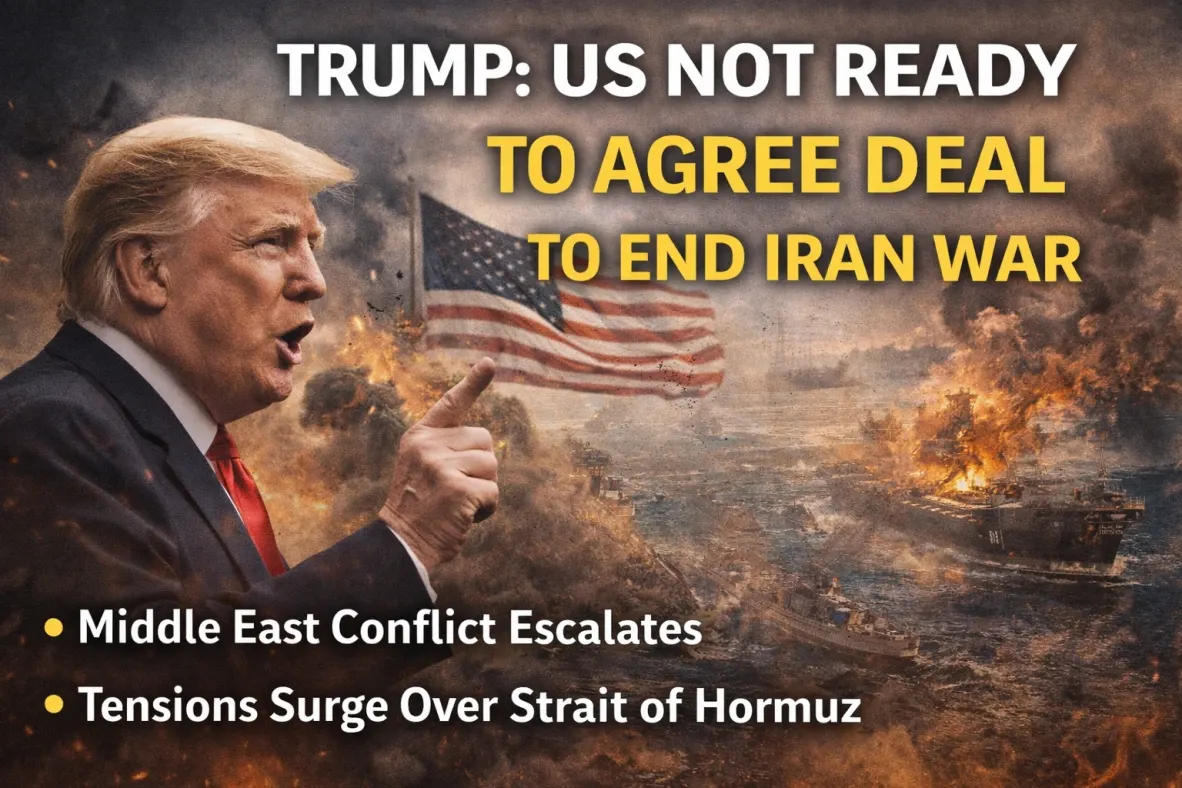
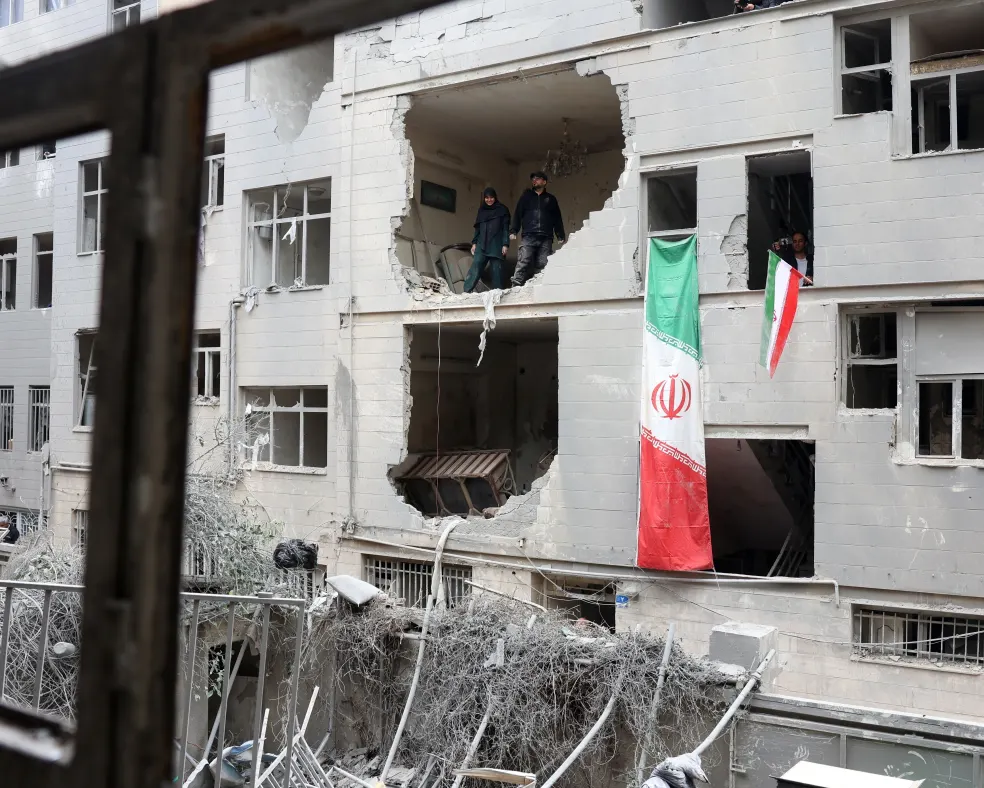
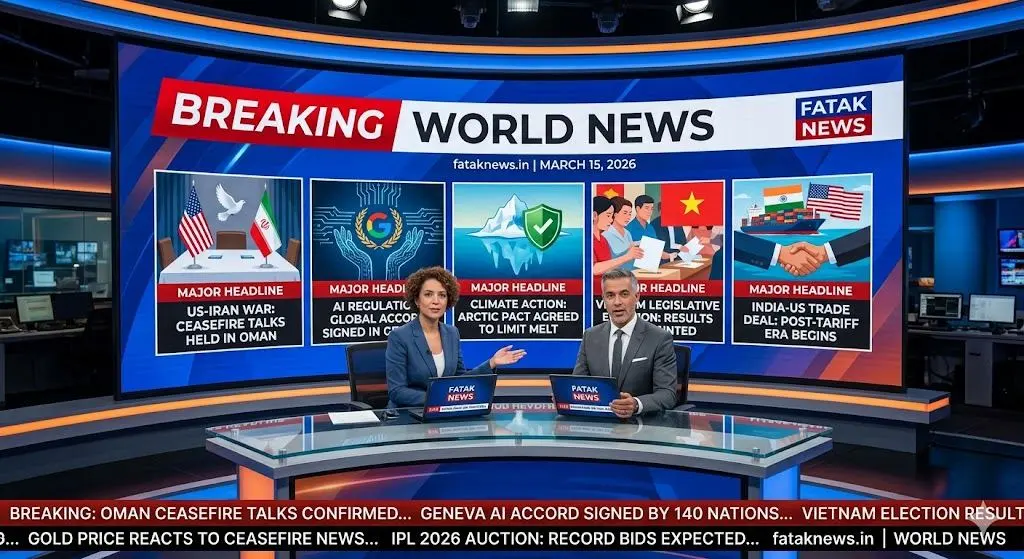
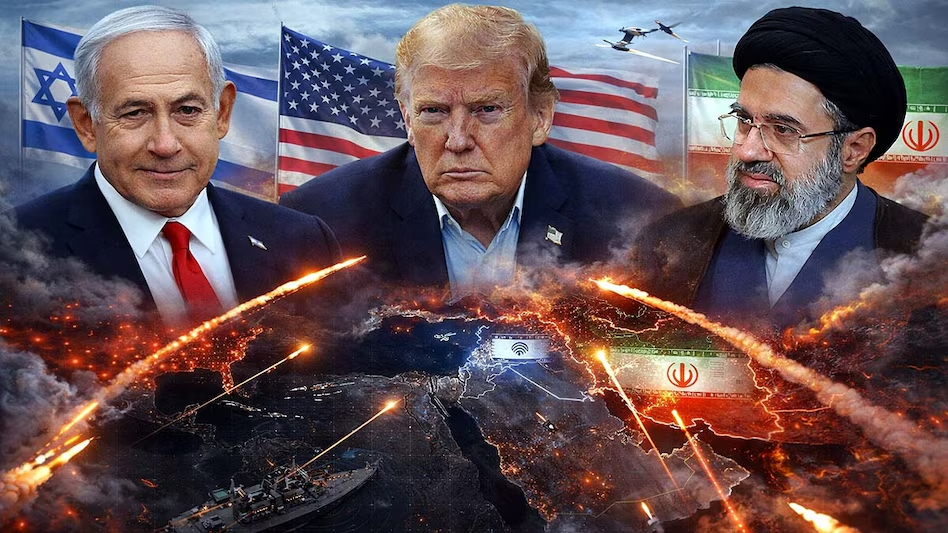
Global Alert | March 2026: The escalating conflict in the Middle East involving Iran, Israel and the United States is now threatening the global economy, with experts warning that nearly 40 major countries could face economic shocks if the war continues.
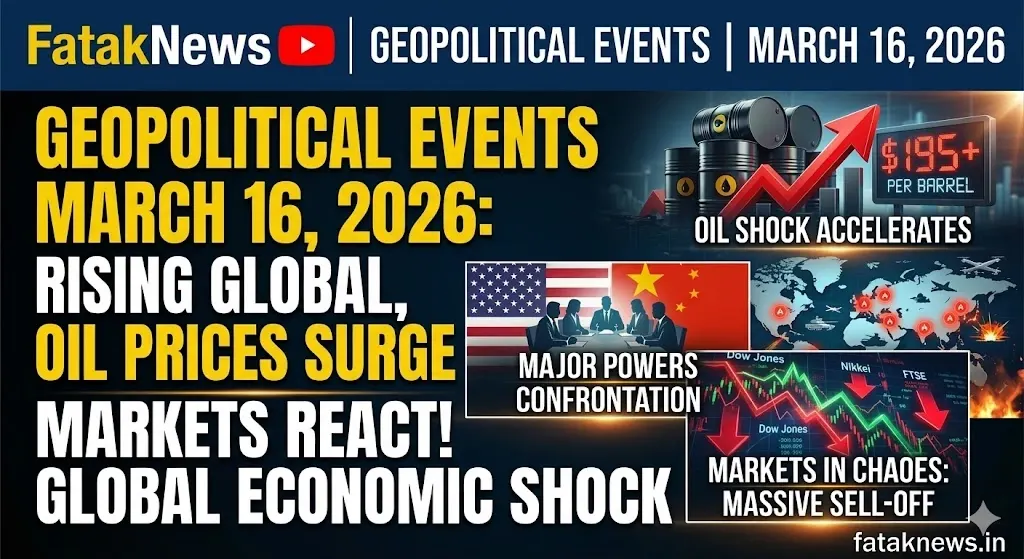
Economic analysts say the conflict has already triggered surging oil prices, falling stock markets and disruptions in global trade. Oil prices recently crossed $100 per barrel, reflecting fears of supply shortages and prolonged instability in the region. :contentReference[oaicite:1]{index=1}
Oil Supply Routes Under Threat
A major concern is the security of the Strait of Hormuz, a crucial shipping route through which nearly 20% of the world’s oil supply passes every day.
If the conflict disrupts traffic through this narrow sea passage, it could cause a severe global energy crisis and push oil prices even higher. :contentReference[oaicite:2]{index=2}
40 Countries Could Face Economic Shock
Economists say dozens of countries that rely heavily on imported energy and global trade routes may experience economic stress.
- Higher fuel and transportation costs
- Rising inflation in consumer goods
- Supply chain disruptions
- Pressure on developing economies
Many Asian and European economies are particularly vulnerable because they depend heavily on energy imports from the Gulf region.
Impact on Global Markets
The war has already caused volatility in financial markets around the world. Major stock indices in the United States, Europe and Asia have declined amid fears of prolonged geopolitical instability. :contentReference[oaicite:3]{index=3}
Experts warn that if the conflict continues for a longer period, it could trigger:
- Global inflation
- Economic slowdown
- Higher interest rates
- Potential recession in some economies
Food and Energy Crisis Risk
Beyond oil prices, economists are also worried about the impact on fertilizer supplies and agricultural production. Disruptions to shipping routes could increase food prices globally and worsen inflation in many countries. :contentReference[oaicite:4]{index=4}
What Happens Next?
Global leaders are closely monitoring the situation as tensions continue to rise. Analysts say the future impact on the global economy will depend largely on how long the conflict lasts and whether it spreads further across the Middle East.
If the conflict intensifies or disrupts oil shipments further, the economic consequences could extend far beyond the Middle East and affect economies across the world.