 Mr_Rajkamal
 Israel Airstrike Kills 12 Medics in Southern Lebanon as War With Hezbollah Intensifies
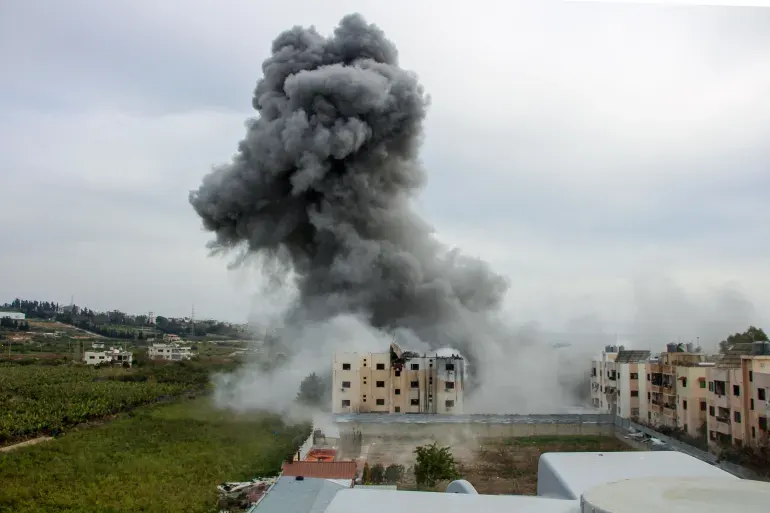
An Israeli airstrike in southern Lebanon has reportedly killed 12 medics and healthcare workers, adding a fresh and tragic chapter to the long-running Israel-Hezbollah conflict. The attack, which struck a healthcare facility in southern Lebanon, has triggered strong condemnation and renewed concerns over the safety of civilians and medical teams in active war zones.
As the war drags on, the humanitarian situation in Lebanon is becoming more serious. Medical infrastructure is already under pressure, and attacks on healthcare workers are raising fears of an even deeper crisis in the region.
12 Medics Killed in Southern Lebanon Strike
According to reports, the airstrike targeted a healthcare-related site in southern Lebanon, killing 12 medical personnel. The victims reportedly included doctors, paramedics, and other healthcare staff who were serving in the conflict-hit area.
The incident has shocked many observers because medical workers are generally considered protected under international humanitarian law. Their role is to save lives, especially in war zones where access to treatment is already limited.
War Between Israel and Hezbollah Continues to Escalate
The latest strike comes as fighting between Israel and Hezbollah continues to intensify along the Lebanon-Israel border. In recent weeks, cross-border attacks, air raids, and rocket fire have kept the region on edge.
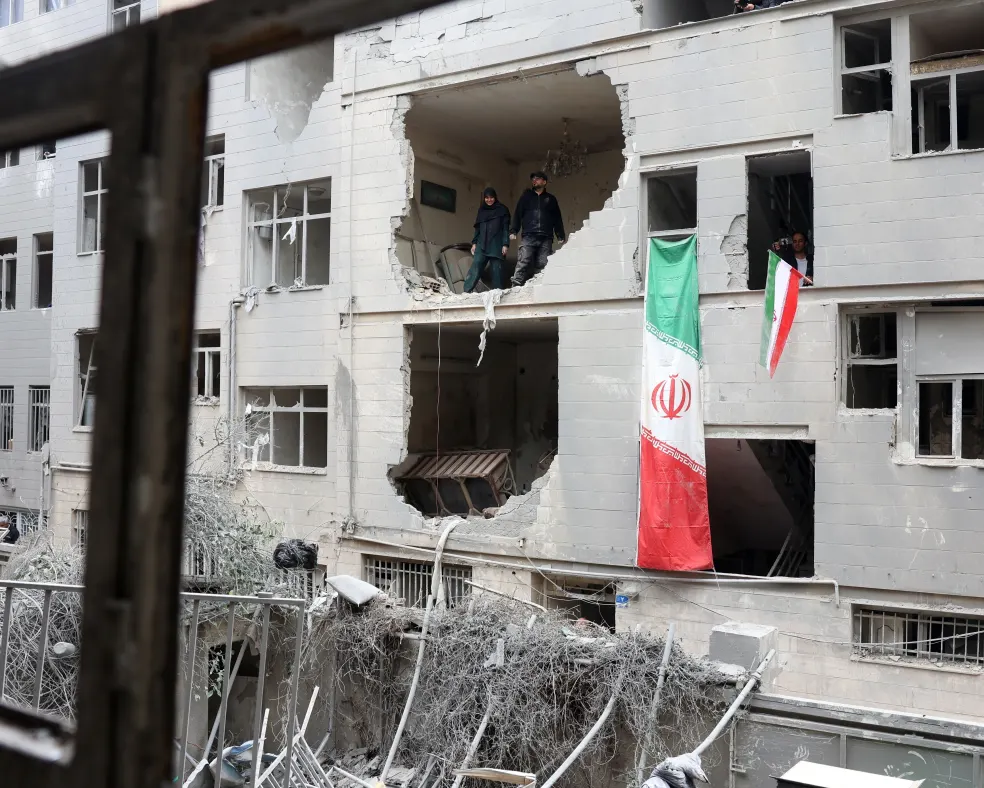
Southern Lebanon has become one of the most dangerous flashpoints in the broader Middle East conflict. Repeated strikes have damaged homes, roads, and public infrastructure, forcing many civilians to flee safer areas.
Humanitarian Concerns Growing
The killing of healthcare workers has once again drawn attention to the humanitarian cost of war. When doctors and paramedics are killed, the impact goes far beyond one incident. Entire communities may lose access to emergency treatment, surgery, and basic medical support.
International aid groups and human rights observers have repeatedly warned that continued attacks on civilian facilities could worsen the humanitarian disaster in Lebanon.
Why This Incident Matters
This attack is significant not only because of the death toll, but also because it highlights how deeply the war is affecting essential services. Hospitals, clinics, and ambulances are lifelines during conflict. Any damage to these systems makes survival harder for ordinary civilians.
The strike may also increase international pressure for accountability and renewed calls for restraint from all sides involved in the conflict.
Middle East Tensions Remain High
The Lebanon front is now being closely watched as part of the wider instability across the Middle East. With multiple flashpoints already active in the region, incidents like this one risk pushing tensions even higher.
Analysts say the continuing cycle of attacks could have wider consequences for regional security, energy markets, and diplomatic relations if the conflict keeps expanding.
Conclusion
The reported killing of 12 medics in southern Lebanon is a stark reminder of the human cost of modern warfare. As the Israel-Hezbollah war drags on, civilians and frontline healthcare workers continue to pay a devastating price. The incident has once again raised urgent questions about civilian protection, international law, and whether the region is heading toward an even broader crisis.
FAQ
- What happened in southern Lebanon?
An Israeli airstrike reportedly killed 12 medics and healthcare workers at a medical facility in southern Lebanon. - Why is this incident important?
The strike is important because medical workers are considered protected under international humanitarian law, and attacks on them worsen the humanitarian crisis. - Who is involved in the Lebanon conflict?
The conflict mainly involves Israel and Hezbollah, with repeated cross-border strikes increasing tensions. - How does this affect civilians?
Civilians face greater danger because attacks on healthcare staff and facilities reduce access to emergency medical care.