 Mr_Rajkamal
 Summary
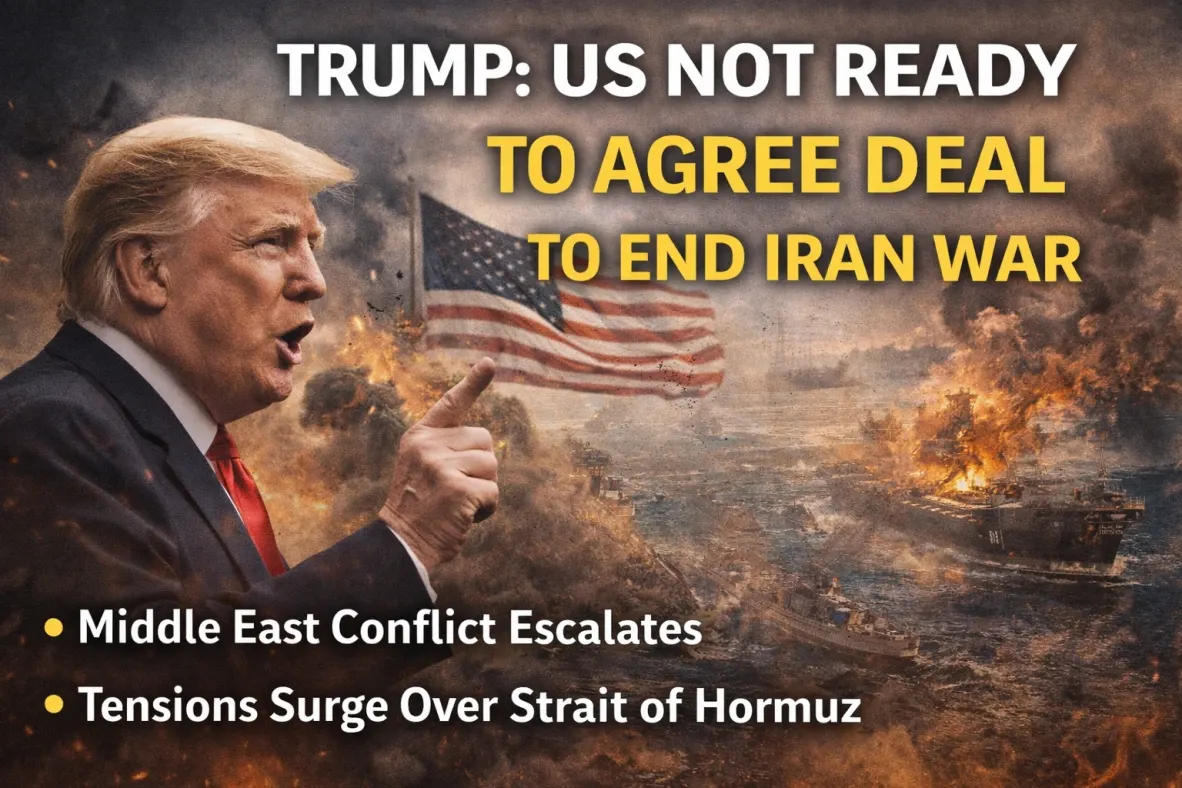
The Iran-Israel war has deepened into a wider regional crisis, with continued military strikes, rising civilian casualties, fresh diplomatic tensions and growing concerns over global energy markets. As the conflict stretches across multiple fronts in West Asia, fears are increasing that the war could trigger prolonged instability across the region and beyond.
Conflict Enters a More Dangerous Phase
The ongoing confrontation between Iran and Israel has moved far beyond a limited exchange of attacks and is now being viewed as one of the most serious crises in the Middle East in recent years. With repeated airstrikes, missile attacks and military warnings from both sides, the conflict has created an atmosphere of uncertainty across the region.
What began as a direct military confrontation has now widened into a larger geopolitical flashpoint, drawing international attention and increasing the risk of broader regional involvement.
Humanitarian Concerns Continue to Grow
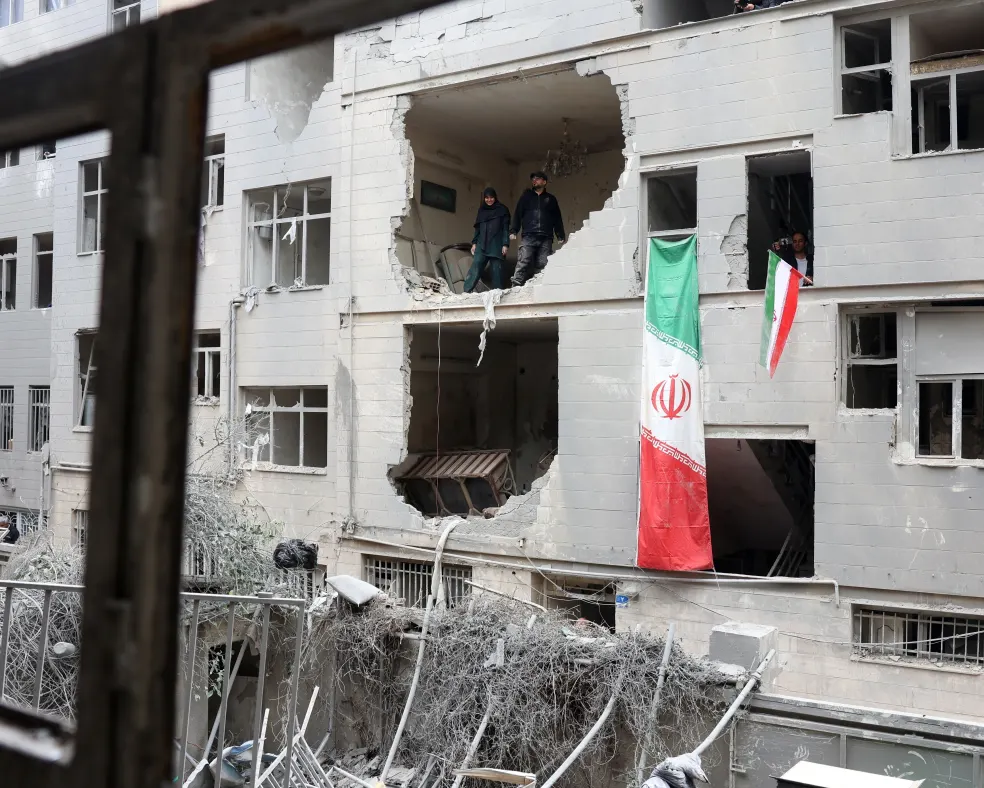
One of the biggest concerns arising from the war is the worsening humanitarian situation. Continued bombardment and counter-attacks have increased pressure on civilians, especially in heavily affected urban areas. Reports of deaths, injuries, displacement and damage to public infrastructure have added to fears of a deeper human crisis if the conflict continues for a longer period.
The longer the war lasts, the greater the risk to ordinary people caught in the middle of military escalation and political confrontation.
Regional Stability Under Threat
The war is no longer being seen as a conflict affecting only Iran and Israel. Security analysts believe the continued escalation could destabilise the wider West Asia region, especially if allied groups or neighbouring countries become more directly involved.
This possibility has alarmed global powers, many of whom are now urging restraint to prevent the conflict from turning into a full-scale regional war.
Global Economic Impact in Focus
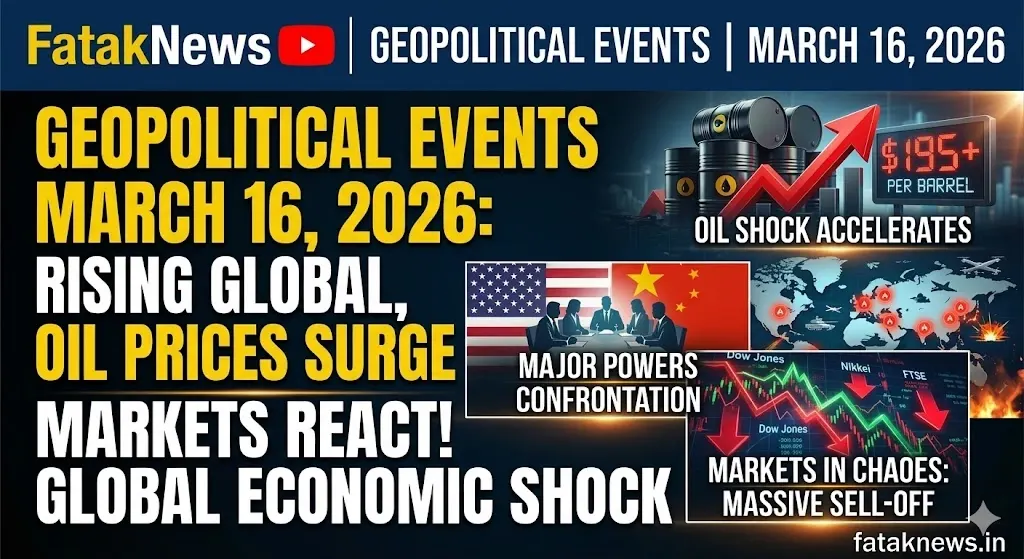
Beyond the battlefield, the conflict is also being watched closely for its economic fallout. Any prolonged instability in West Asia has the potential to disrupt oil supplies, shipping routes and investor confidence. Concerns over energy security and trade movement have already started influencing global market sentiment.
Experts warn that if tensions continue to rise, the impact may not remain limited to the region and could affect fuel prices, imports, exports and inflation in many countries.
Diplomatic Pressure Builds
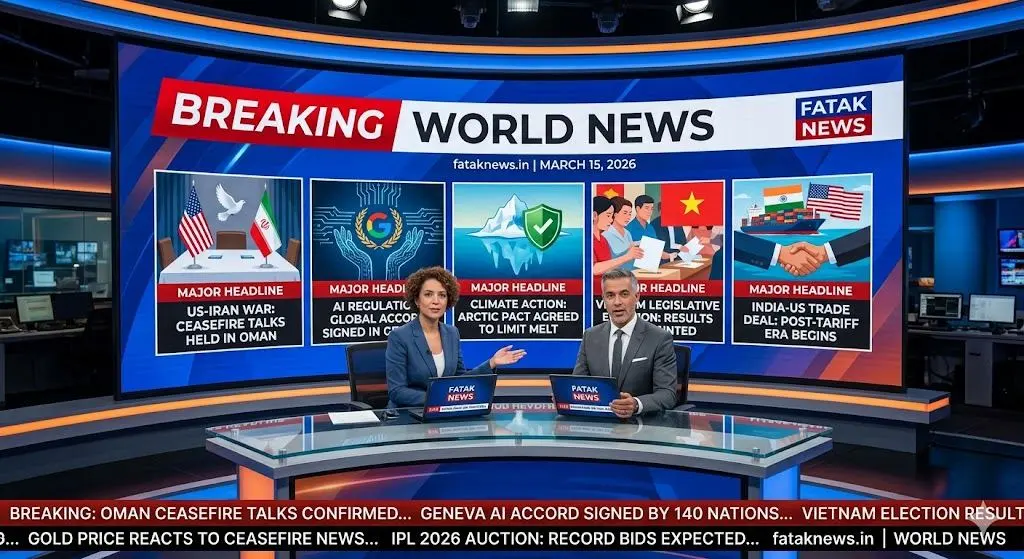
As military action intensifies, diplomatic efforts are also gaining urgency. Several countries and international organisations are calling for de-escalation, warning that continued hostilities may make peace efforts more difficult in the future.
At the same time, the political messaging from all sides suggests that a quick resolution remains unlikely. This has created a dangerous situation in which military action is increasing even as diplomatic space appears to be narrowing.
Why This Conflict Matters Globally
The Iran-Israel war matters not just because of the immediate destruction it is causing, but because of its potential to reshape regional alliances, energy security and international diplomacy. The conflict has become a test of military power, political influence and crisis management in one of the world’s most sensitive regions.
For the international community, the biggest challenge now is preventing a deeper regional breakdown while addressing the humanitarian and economic consequences that are already emerging.
Outlook
With no clear sign of immediate de-escalation, the Iran-Israel war appears set to remain a major global concern. The coming days will be critical in determining whether diplomatic efforts can contain the conflict or whether the region moves closer to a wider and more dangerous war.