 Fatak
Fatak
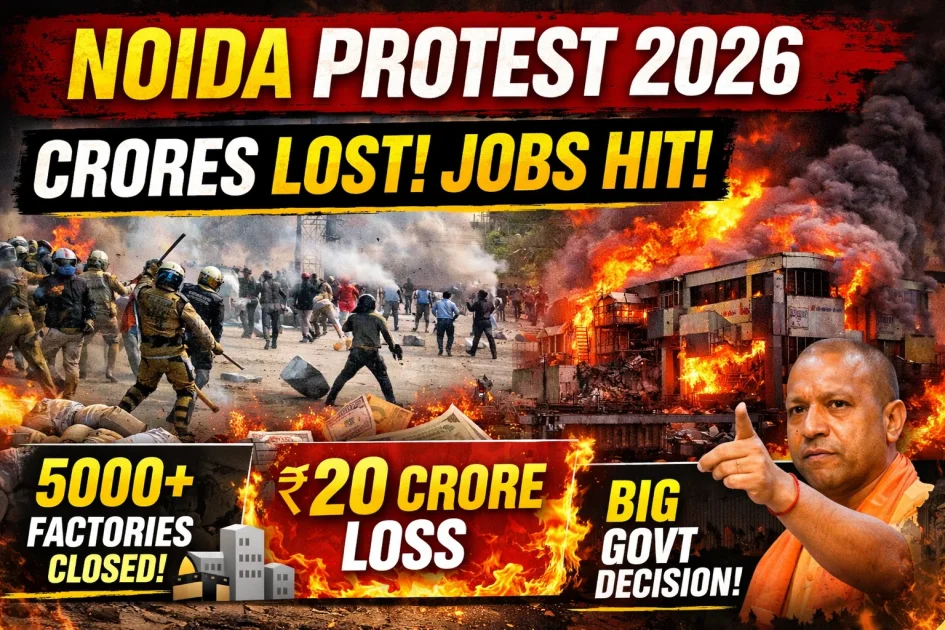
What Happened in Noida?
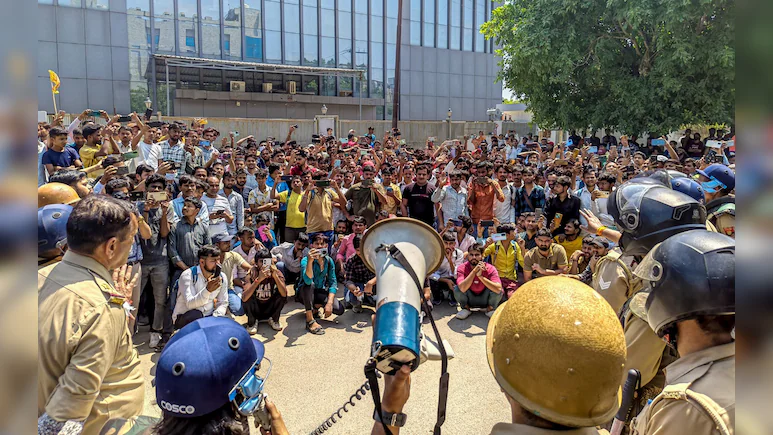
In April 2026, a large-scale protest by industrial workers in Noida escalated into violence, creating chaos across multiple industrial sectors including Phase-2, Sector 60, 63, and nearby areas.
The protest initially began as a peaceful demonstration over low wages, delayed payments, and poor working conditions, but quickly turned aggressive as tensions rose between workers and authorities.
💸 Massive Financial Losses Reported
The protest led to significant damage across the industrial belt:
- Estimated total losses are between ₹5 crore to ₹20 crore
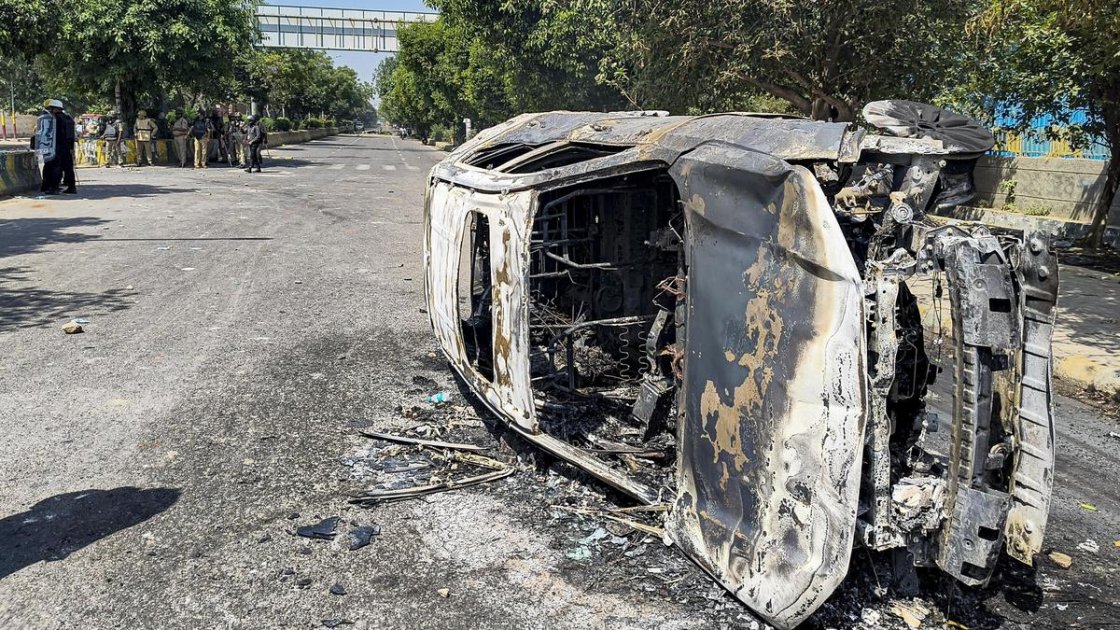
- Over 50 vehicles were burnt or damaged
- Several factories reported damage to machinery, gates, and security infrastructure
Although official figures are still awaited, early estimates suggest large-scale economic damage in crores.
🏭 Factories Shut, Companies Hit Hard
Noida, which hosts around 12,000 factories, witnessed a major shutdown:
- Nearly 50% of factories (5,000–6,000 units) remained closed during the protest
- Key industrial sectors saw complete production halt for 1–2 days
This disruption has impacted supply chains and caused delays in manufacturing and delivery schedules.
👷 Impact on Jobs and Workers
The protest severely affected the workforce:
- Over 50,000 workers faced temporary job disruption
- Daily wage workers suffered losses of ₹500–₹800 per day
- No confirmed data on permanent job losses yet, but job insecurity has increased significantly
If the situation continues, experts warn of possible layoffs in the near future.
🚨 Law and Order Breakdown
The situation turned violent when protesters clashed with police:
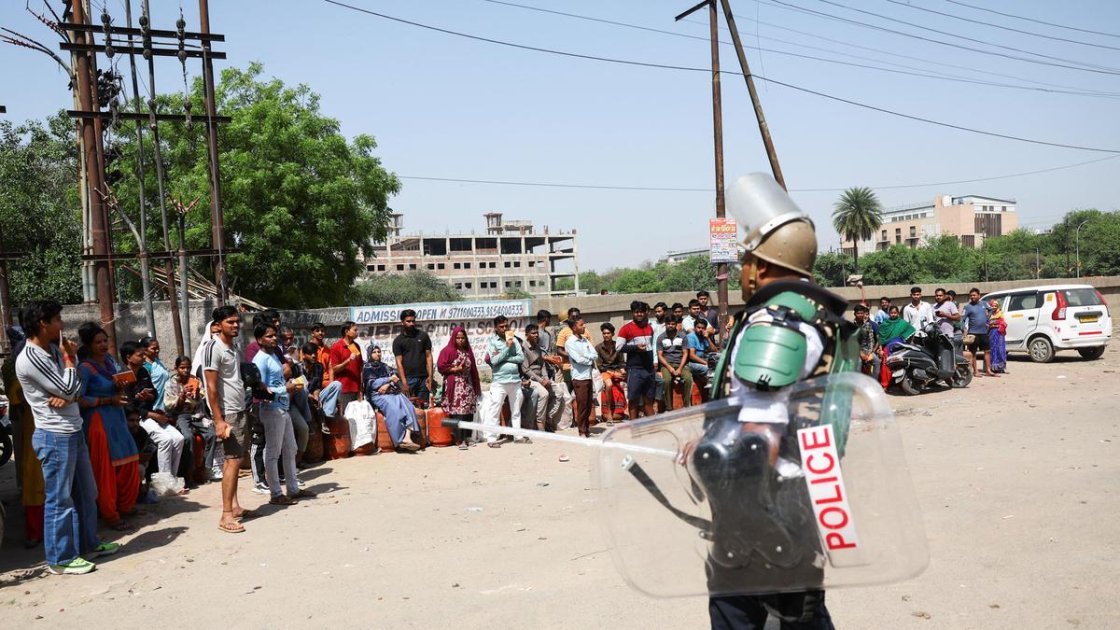
- Police used tear gas and baton charge to control the crowd
- Around 150–200 people were detained
- Major traffic jams were reported near the Delhi-Noida border, affecting thousands of commuters
The area witnessed panic, property damage, and disruption of normal life.
🏛️ Government’s Immediate Action
💰 Minimum Wage Hike
The Uttar Pradesh government responded quickly by revising wages:
- Unskilled workers: ₹13,690/month
- Semi-skilled workers: ₹15,059/month
- Skilled workers: ₹16,868/month

⚖️ Labour Reforms Announced
To address worker concerns, the government introduced key reforms:
- Double overtime payment
- Mandatory weekly off
- Salary payment before the 10th of every month
- Bonus and medical benefits implementation
🤝 Talks and Control Measures
- Meetings between government officials and labour representatives are ongoing
- Control rooms have been set up
- Heavy police deployment continues to maintain peace
📉 Economic and Industrial Impact
The protest has had a wider impact on the region:
- Temporary halt in industrial production
- Disruption in supply chains
- Negative signal for investors
- Potential long-term impact on Noida’s industrial reputation
🔍 Conclusion
The Noida protest of 2026 highlights serious concerns within India’s industrial workforce system.
With crores in losses, thousands of workers affected, and half the factories shut, the incident serves as a wake-up call for both authorities and industries.
While the government has taken immediate steps, the long-term solution lies in ensuring fair wages, job security, and better working conditions for workers.



Comments
No comments yet
Be the first to start the discussion.