
 Mr_Rajkamal
 Ukraine Protests Arrest of 6 Nationals in India: NIA Terror Conspiracy Case Explained
In a major diplomatic development, Ukraine has officially protested against India after the arrest of six Ukrainian nationals and one American citizen by the National Investigation Agency (NIA) in an alleged terror conspiracy case. The arrests have triggered international attention, with Kyiv demanding immediate release and consular access for its citizens.
What is the case about?
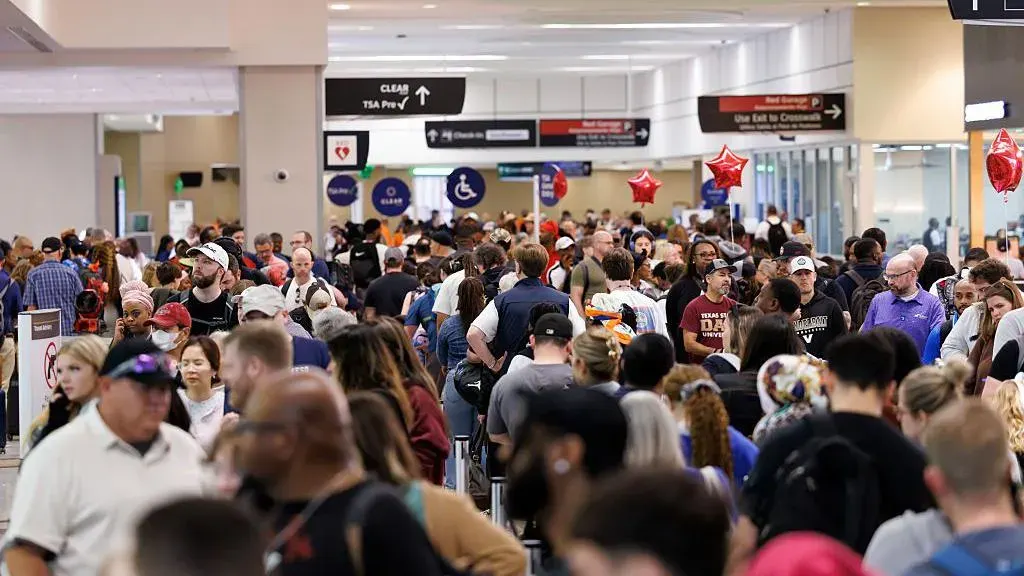
According to Indian authorities, the seven foreign nationals were arrested during a coordinated operation across multiple airports in India. The NIA has alleged that the group was involved in a conspiracy to carry out terrorist activities, raising concerns about cross-border security threats. :contentReference[oaicite:0]{index=0}
The arrests were made at airports in Delhi, Lucknow, and Kolkata. Following the operation, a Delhi court granted NIA custody of the accused until March 27 as part of the ongoing investigation. :contentReference[oaicite:1]{index=1}
Ukraine’s strong reaction
Ukraine’s Foreign Ministry has strongly denied the allegations, stating that there are “no established facts” proving that its citizens were involved in any unlawful activities in India or Myanmar. The Ukrainian ambassador to India formally submitted a protest note to the Ministry of External Affairs (MEA).
Kyiv has demanded:
- Immediate release of its citizens
- Unrestricted consular access
- Transparency in legal proceedings
Ukraine also raised concerns that its embassy was not officially informed about the arrests, calling it a violation of international diplomatic norms. :contentReference[oaicite:2]{index=2}
What charges have been filed?
The accused have been booked under the Unlawful Activities (Prevention) Act (UAPA), particularly Section 18, which deals with conspiracy to commit terrorist acts. :contentReference[oaicite:3]{index=3}
The case also involves allegations such as:
- Illegal entry into Mizoram (restricted area)
- Crossing the India-Myanmar border without permission
- Possible links to insurgent or militant activities
UAPA is one of India’s strictest anti-terror laws, designed to deal with activities threatening national security and sovereignty. :contentReference[oaicite:4]{index=4}
Who are the accused?
The NIA has identified the six Ukrainian nationals and one American citizen involved in the case. Investigators are currently examining their movements, digital evidence, and possible international connections to uncover the full extent of the alleged conspiracy. :contentReference[oaicite:5]{index=5}
India’s response
Indian government sources have maintained that this is a legal matter and is being handled strictly according to law. Authorities have stated that consular access requests are being reviewed as per established procedures.
Officials are also trying to determine whether the group had wider links to insurgent networks operating near India’s northeast border region.
Why Mizoram is important in this case
Mizoram is a sensitive border state near Myanmar, where access for foreign nationals is restricted and requires special permits. Authorities believe the accused may have entered or operated in these restricted zones illegally, which has raised serious national security concerns.
Big picture: Diplomatic tension + security concerns
This case is significant for two reasons:
- Security angle: It is one of the rare cases where foreign nationals are accused of planning terror-related activities inside India.
- Diplomatic impact: Ukraine’s protest could strain bilateral relations if the issue escalates further.
Officials have described this as the first instance involving Ukrainian nationals in a terror-related investigation in India, making it a sensitive and closely watched case. :contentReference[oaicite:6]{index=6}
What happens next?
The investigation is still ongoing, and the NIA is expected to present further evidence in court. The coming days will be crucial as:
- India reviews Ukraine’s diplomatic request
- Investigators probe deeper into the alleged network
- Court proceedings determine the legal course ahead
As of now, the case remains a complex mix of national security concerns and international diplomacy, with both sides closely monitoring developments.